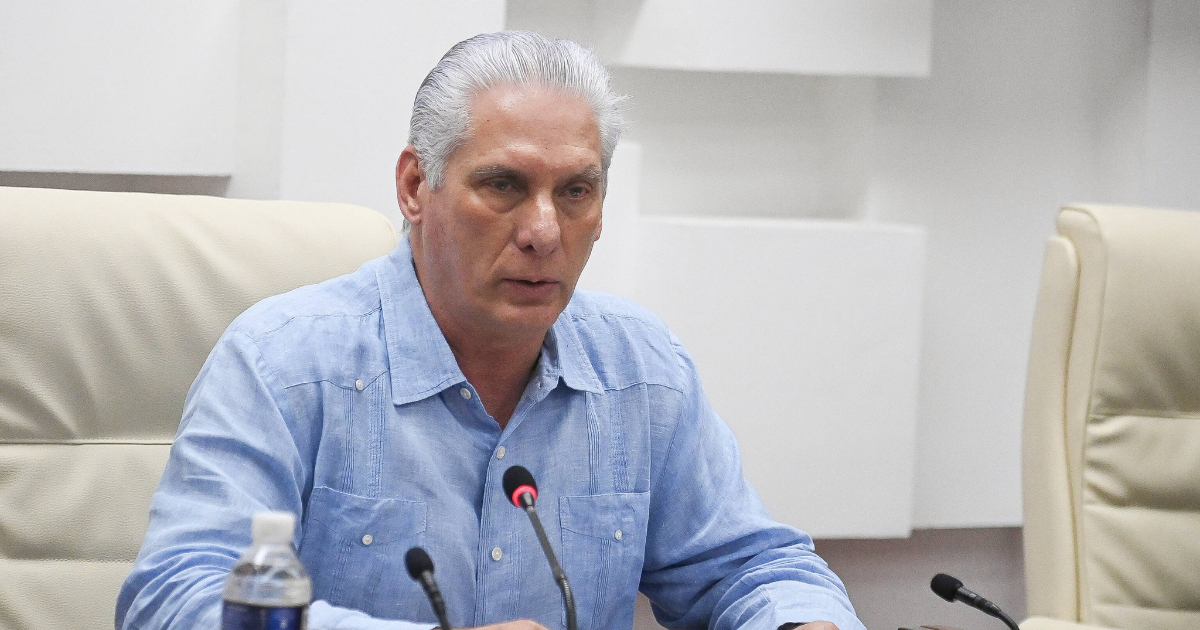
On Wednesday, Miguel Díaz-Canel led a gathering of experts and scientists at the Palace of Conventions in Havana to discuss the hantavirus. He emphasized that while Cuba is enhancing its epidemiological surveillance in response to the global alert, the virus has not been detected within the country.
Following the meeting, Díaz-Canel took to his X account to reassure the public, stating, "There is no need for alarm, but we must remain vigilant and responsible." He highlighted that Cuba "possesses a robust monitoring system and invaluable experience from the COVID-19 pandemic to promptly identify and address potential risks."
The assembly was prompted by a hantavirus outbreak identified on the MV Hondius cruise ship, which was reported to the World Health Organization (WHO) on May 2, 2026.
The ship had departed from Ushuaia, Argentina, on April 1 with 147 passengers from 23 different countries, embarking on a 46-day voyage through Antarctica and the South Atlantic.
On May 6, the WHO confirmed the Andes virus as the causative agent, the only hantavirus strain known to spread between humans, though only under conditions of close and prolonged contact.
By May 13, the outbreak had resulted in 11 confirmed cases and three fatalities, with 94 cases and 13 deaths reported throughout the Americas, making Chile the most heavily impacted country.
Preventive Measures and Health Advisory
Deputy Health Minister Dr. Carilda Peña García informed the media that Cuba has no historical records of hantavirus outbreaks and that none of its 14 native rodent species serve as virus carriers.
However, she warned that the virus's incubation period, which can last up to eight weeks, allows for the possibility of asymptomatic individuals entering the country.
"Given our clinical and epidemiological surveillance system, along with the experiences from the COVID-19 pandemic and the guidelines from the Pan American and World Health Organizations, we are well-equipped to detect the virus's introduction into the country," said Dr. Peña.
Authorities announced increased health inspections at ports, airports, and marinas to identify rodents or signs of their presence on aircraft and ships.
"We are focusing on ports, airports, and marinas, inspecting aircraft and ships to detect any evidence of rodents or their presence, following well-established protocols," detailed Dr. Peña.
Additionally, the public is advised to wear masks during acute respiratory infections and to seek medical attention if they have been in contact with individuals from areas with confirmed outbreaks.
The WHO assessed the general risk to the population as low, and its Director-General, Tedros Adhanom Ghebreyesus, stated that the hantavirus "is not another COVID-19."
"It is a situation of which the public should be aware, not to incite panic, but to be informed and prioritize personal protection," concluded the Cuban Deputy Health Minister.
Understanding the Hantavirus Threat in Cuba
What measures is Cuba taking against the hantavirus threat?
Cuba is enhancing its epidemiological surveillance and conducting increased health inspections at ports, airports, and marinas to prevent any potential introduction of the virus.
Is the hantavirus present in Cuba?
No, the hantavirus has not been detected in Cuba. The country's surveillance systems are in place to ensure it remains that way.
How does the hantavirus spread?
The Andes virus, a strain of hantavirus, can spread between humans but only through close and prolonged contact.