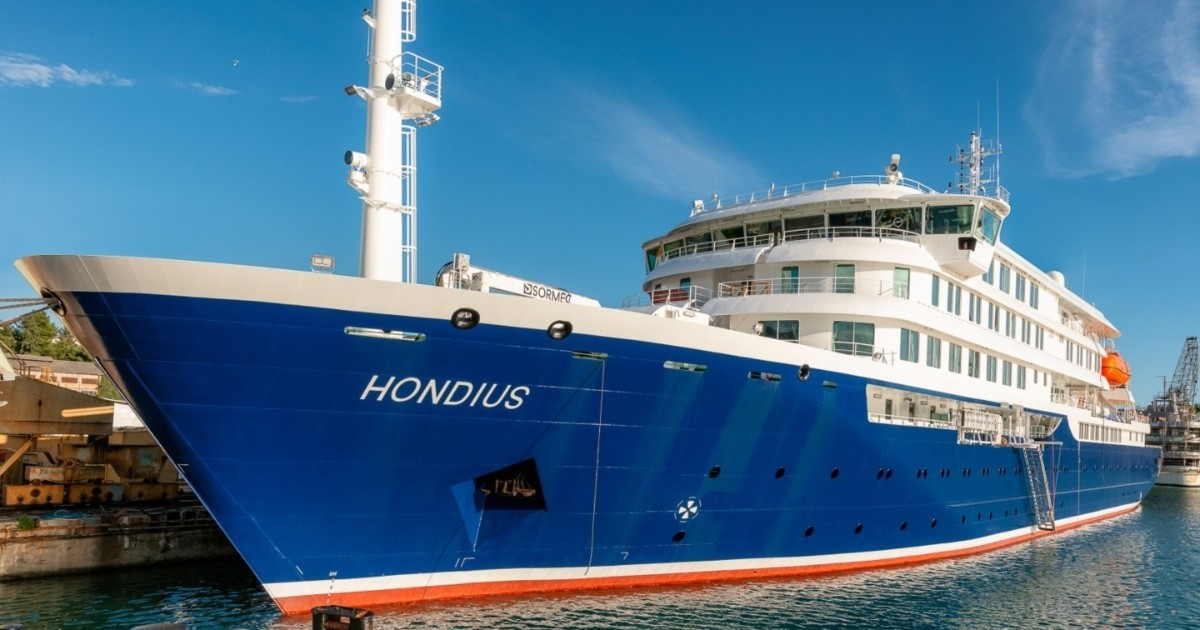
The recent hantavirus outbreak aboard the expedition cruise ship MV Hondius has resulted in three fatalities and at least eight infections, sparking comparisons to COVID-19 and raising concerns about the potential for another global pandemic.
Despite these understandable worries, experts unanimously agree that the likelihood of a widespread outbreak is exceedingly low.
"While this is a serious incident, the World Health Organization (WHO) assesses the public health risk as low," stated Dr. Tedros Adhanom Ghebreyesus, WHO's Director-General, during a press briefing.
Understanding the Hantavirus
Hantavirus is a rare but potentially deadly virus transmitted by rodents. The infected vessel, operated by Oceanwide Expeditions, embarked from Argentina on April 1 with 88 passengers and 59 crew members, on a 46-day journey with stops in Antarctica and various remote South Atlantic islands.
As of May 8, there were eight reported cases, six confirmed by PCR as the Andes virus, and two probable cases. The Andes strain is the only one among more than 20 known hantavirus strains to have documented human-to-human transmission, though it requires close and prolonged contact.
Transmission Risks and Precautions
"The risk to the general population is low. This virus does not spread like influenza or COVID-19; it's quite different," Dr. Maria Van Kerkhove, WHO's Head of Epidemic and Pandemic Preparedness and Prevention, told TODAY.com.
Dr. Van Kerkhove indicated that the initial hypothesis is that passengers were infected before boarding, in Argentina, where the virus is endemic: "Our assumption is that people got infected on land and then joined the cruise."
However, the WHO also acknowledges the possibility of some onboard transmission, especially among cabin-sharing couples.
Historical Context and Expert Opinions
Kari Moore Debbink, a professor of Molecular Microbiology and Immunology at Johns Hopkins Bloomberg School of Public Health, emphasized that "historically with the Andes virus, it has spread among people in close proximity, so the risk of wider transmission is quite low."
Over the past three decades, approximately 25 cases of person-to-person transmission of the Andes virus have been documented, all in focused outbreaks among close contacts or healthcare workers.
In an open letter to the residents of Tenerife, Dr. Tedros was emphatic: "But I need you to hear me clearly: this is not another COVID."
Reassurances and Current Measures
The U.S. Centers for Disease Control and Prevention (CDC) also issued a reassuring message: "At this time, the risk to the American public is extremely low."
Meanwhile, the MV Hondius, which was turned away by Cape Verde on May 5, is headed to the Canary Islands, where it is expected to dock soon under strict protocols: sealed vehicles, cordoned corridors, and direct repatriation to passengers' home countries.
States including Georgia, Arizona, California, Texas, and Virginia confirmed they are monitoring residents who were on board; none showed symptoms as of May 8.
Currently, there is no approved antiviral treatment or vaccine for hantavirus, and the WHO has advised passengers and crew to monitor for symptoms for 45 days post-trip.
The virus primarily spreads through inhalation of aerosols from the urine, feces, or saliva of infected rodents, especially when cleaning poorly ventilated, enclosed spaces.
Initial symptoms include fever, fatigue, muscle aches in the thighs, back, and hips, chills, nausea, vomiting, and abdominal pain.
In severe cases, the disease progresses to hantavirus pulmonary syndrome, a critical respiratory condition with a 38% fatality rate among those who develop respiratory symptoms, according to the CDC.
Frequently Asked Questions About the Hantavirus Outbreak
What is the hantavirus and how is it transmitted?
Hantavirus is a rare virus transmitted primarily through inhalation of aerosols from the urine, feces, or saliva of infected rodents. It is not known to spread easily from person to person.
Are there any treatments or vaccines for hantavirus?
Currently, there are no approved antiviral treatments or vaccines for hantavirus. Monitoring and supportive care are recommended for those exposed or showing symptoms.
What measures are being taken to ensure the safety of those involved?
The MV Hondius will dock under strict protocols including sealed vehicles, cordoned corridors, and direct repatriation to home countries. Monitoring for symptoms is advised for 45 days post-trip.