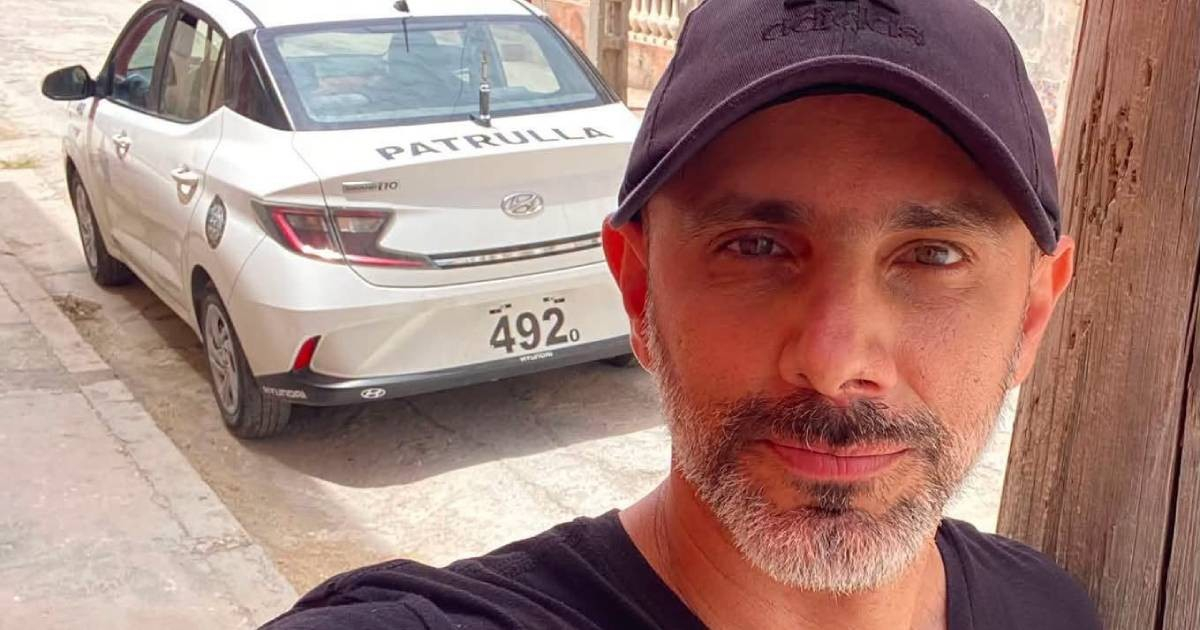
The Inter-American Commission on Human Rights (IACHR) has formally demanded that the Cuban government provide a detailed report within seven days concerning the health status, legal situation, and detention conditions of journalist Henry Constantín Ferreiro. Constantín has been held since September 16 in the maximum-security Kilo 7 prison located in Camagüey.
This request was addressed directly to Cuban Foreign Minister Bruno Rodríguez Parrilla, seeking specific details on the journalist's access to clean water, food, and medical attention, including his current weight and hydration status.
The IACHR also inquired about the reasons behind the three-month prohibition of visits from his partner, journalist Alejandra García, by the prison authorities.
This latest demand marks the third in recent days and is the most formal to date. Earlier, on Monday, the Inter American Press Association (IAPA) called for Constantín's "immediate and unconditional" release, holding the regime accountable for his physical and psychological well-being.
Following that, the IACHR's Special Rapporteur for Freedom of Expression expressed serious concern, urging the Cuban state to release the journalist, cease retaliations, and return confiscated work equipment.
Concerns over Constantín's situation have intensified due to reports from his partner about his weight loss and obstacles in receiving food and medication delivered by his family to the prison. The regime banned Alejandra García from visiting Constantín on November 20, citing her attempt to deliver potable water, food, and books outside authorized hours.
In mid-October, prison officials claimed to have found a makeshift knife among the journalist's belongings, which he suspects was planted to incriminate him. Consequently, he spent at least 15 days in solitary confinement and lost visitation and phone call privileges.
This case falls under the precautionary measures MC-1965-26, filed by the Center for Complaint Defense CD on October 13. If the Cuban dictatorship fails to respond within the set timeframe, the IACHR may proceed to grant these measures, as was the case with journalist Jorge Bello Domínguez, where the regime similarly failed to provide information.
As the director of the independent digital outlet La Hora de Cuba and regional vice president for Cuba of the IAPA's Press and Information Freedom Commission, Constantín faces accusations of "disobedience" for allegedly not attending a migration summons on September 9. He maintains he did appear, but officials had already left. A court denied a habeas corpus petition in his favor, and the case remains pending in the Camagüey Municipal Court without a trial date set.
Juan Carlos Vargas, executive director of Defense CD, was resolute in his assessment of the situation: "The Cuban regime must be held accountable for Henry's health and safety. We are concerned that, following reports of weight loss and difficulties in receiving food and medication, authorities are preventing his partner from visiting him for three months. We call for his release and effective guarantees so that he and his family can report what is happening without facing reprisals."
Key Questions About Henry Constantín's Detention
What are the specific demands of the IACHR regarding Henry Constantín's situation?
The IACHR demands a detailed report on his health, legal status, and detention conditions, including access to water, food, and medical care, as well as an explanation for the visitation ban on his partner.
Why was Henry Constantín initially detained?
He was accused of "disobedience" for allegedly not attending a migration summons, a charge he contests by stating he did appear, but officials were absent.
What actions have international organizations taken regarding Constantín's case?
The IACHR and IAPA have called for his release and accountability for his well-being, while the Special Rapporteur for Freedom of Expression has urged the cessation of retaliations and the return of confiscated equipment.