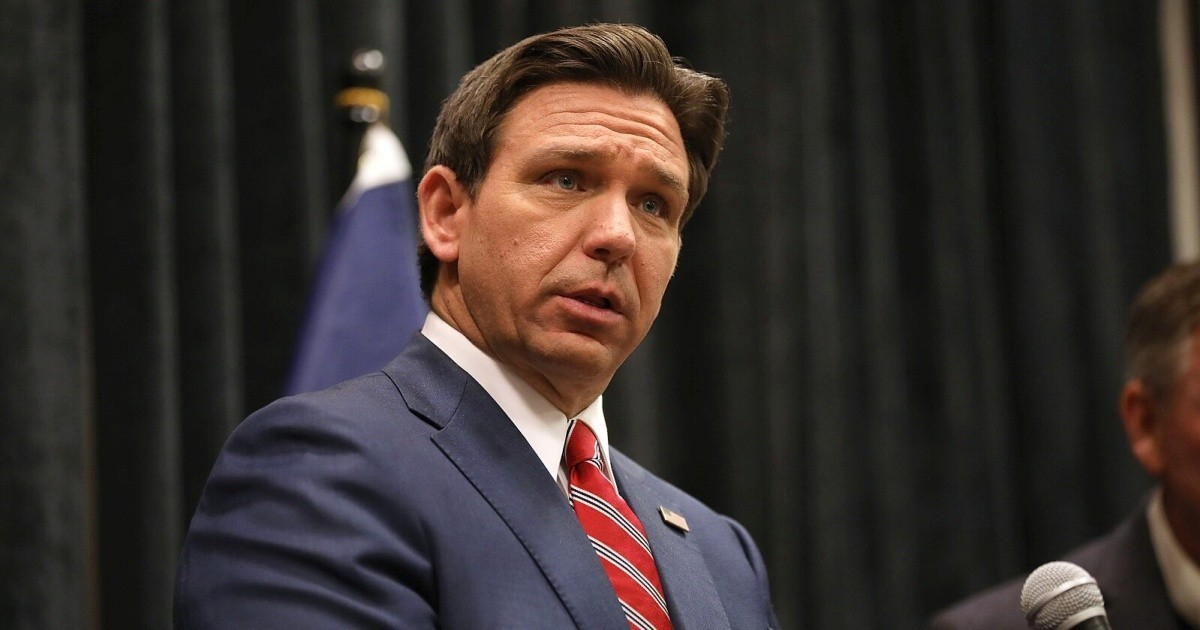
Florida Governor Ron DeSantis has signed an executive order calling for special elections in Senate District 39, which includes Hialeah, Doral, Miami Lakes, Sweetwater, and Medley. This decision follows a lawsuit filed by the ACLU with the state Supreme Court, accusing him of inaction for over 80 days since the seat became vacant.
As reported by WLRN, the order schedules a special primary on January 26 and a general election on April 6, 2027. Despite these measures, the district will remain unrepresented for nearly the entire upcoming legislative session.
The seat has been unoccupied since August 25, when Cuban American Bryan Ávila resigned to join gubernatorial candidate Byron Donalds as his running mate. Donalds secured the governorship in early November, with both set to take office on January 5, 2027.
The ACLU of Florida filed the lawsuit on Tuesday on behalf of Alejandro Peñuelas, a Doral resident, highlighting the prolonged vacancy affecting nearly 500,000 predominantly Hispanic residents in the district. This delay marks the longest known in Florida's legislative history.
The ACLU's lawsuit emphasized that the governor's unprecedented delay in action leaves the district's residents without representation, denying them a voice in the 2027 legislative session.
The immediate impact on voters is significant as Florida's regular legislative session begins on March 2 and ends on April 30. The deadline for filing bills is late February, meaning unless a decisive winner emerges from the January 26 primary, District 39 will be without a senator until the session is nearly over.
Key issues to be debated include the implementation of Amendment 3 concerning property taxes, passed on November 3, which will raise the homestead exemption from $50,000 to $150,000 in 2027, as well as pressing topics like the housing insurance crisis and residential affordability, all crucial for district homeowners.
The race for the seat is currently a Republican intraparty battle. State Representatives David Borrero and Alex Rizo, both Cuban Americans from Hialeah, announced their candidacies in September. Rizo has secured endorsements from DeSantis, along with Congressmen Mario Díaz-Balart and Carlos Giménez.
This isn't the first time DeSantis has acted only after legal intervention. The ACLU notes this week's lawsuit is the tenth instance where voters have had to resort to court action to compel a call for elections, a pattern they describe as "disturbing," undermining the republican system of governance and wasting judicial resources.
Between 1999 and 2020, Florida governors took an average of 7.6 days to call special elections, and in over 25 cases, they did so within five days. By April 6, District 39 will have gone more than 220 days without a senator.
Impact of Senate Vacancy on Florida Residents
Why did Ron DeSantis delay calling a special election?
Governor Ron DeSantis delayed calling a special election for over 80 days, which prompted a lawsuit by the ACLU. The reasons for the delay have not been explicitly stated by the governor.
How will the delay affect the legislative session?
The delay means District 39 will lack representation for most of the legislative session, affecting their ability to influence legislation on critical issues like property taxes and housing affordability.
What are the implications of the ACLU's lawsuit against DeSantis?
The ACLU's lawsuit highlights a pattern of delayed actions by DeSantis in calling special elections, raising concerns about his commitment to the electoral process and representation.