In a candid admission, Juan Carlos García Granda, Cuba's Minister of Tourism, has disclosed a significant workforce reduction in the island's tourism industry. The number of active jobs plummeted from approximately 103,000 at the end of 2025 to just 83,000 by November 2026. This revelation came during a discussion on the state-run program Mesa Redonda, as reported by Infobae.
The nearly 22,000 employees who are no longer working in hotels, agencies, and tourist facilities weren't formally terminated. Instead, the government reassigned them as "interruptos"—a unique Cuban labor law provision that circumvents layoffs when operations are halted—to roles in hospitals, industries, and other state-run entities.
However, retaining a contract doesn't equate to maintaining income levels. Tourism jobs were among the few coveted state positions in Cuba, largely due to the hard currency tips, service-related payments, and informal earnings they offered, which were far more lucrative than standard state wages. For waiters or receptionists reassigned to hospitals or factories, these financial benefits are lost, although their employment status remains unchanged.
According to Decree 149/2026, if reallocation options are exhausted, employees can receive a guarantee payment starting from the second month, equating to just 60% of their basic daily salary—a mere fraction of their previous earnings.
Economist Ricardo Torres had predicted this scenario back in June, warning EFE that between 20,000 and 30,000 workers could be impacted by the industry's collapse. He noted that holding onto a job contract did not shield workers from suffering real income losses.
A Dwindling Demand for Tourism
The stark reduction in employment is indicative of a severe decline in demand. Between January and September, Cuba welcomed only 477,707 international tourists, marking a 65.1% drop compared to the same timeframe in 2025, as per the National Office of Statistics and Information. By October's end, the number of visitors had reached 506,074, a mere 28.8% of the annual target of 1,757,480.
The minister acknowledged that the downturn is not just a recent issue. The decrease in employment is attributed to a long-term decline in tourism business since the onset of the pandemic, as he stated on Mesa Redonda.
Before COVID-19, the tourism sector employed between 140,000 to 150,000 people. Since then, formal employment in tourism has dropped by over 40%, with no signs of recovery.
Impact of International Hotel Chain Withdrawals
The situation worsened in 2026 with the exodus of foreign hotel chains. Following US sanctions against GAESA, the military conglomerate overseeing Cuban tourism through Gaviota, Meliá Hotels International completed its withdrawal from Cuba in July after 36 years and 34 hotels managed on the island. Iberostar ceased operations in 12 of its 18 Gaviota-linked establishments since June. Collectively, these departures affected more than 30,000 hotel rooms.
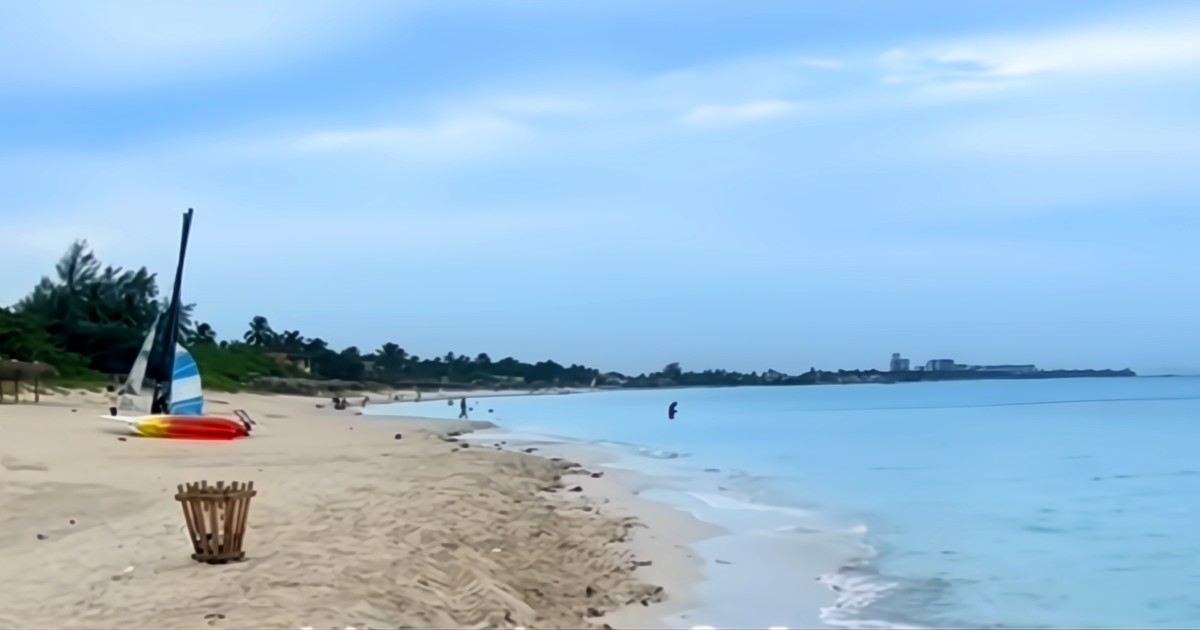
During a July session of the National Assembly, Prime Minister Manuel Marrero Cruz acknowledged that 73% of hotel facilities were shut down, with approximately 25,000 workers placed in "availability" status. Italian media recently depicted Varadero as a ghost town, with 80% of its hotels closed and beaches deserted.
Contradictory Investments Amidst Decline
While hotels close and workers are reassigned, the Cuban government continues to invest in hotel construction and renovation. The recent opening of Selection La Habana, linked to Gaviota and launched in February 2025 after a reported $200 million investment, starkly contrasts with the minimal occupancy rates and the departure of international management.
In June, the Parliament approved 176 economic reforms, including over a dozen initiatives aimed at tourism—such as private hotel management, independent travel agencies, and franchises like Tropicana or El Floridita. However, their success largely hinges on the availability of resources like fuel and air connectivity, both of which are critically low.
Frequently Asked Questions about the Cuban Tourism Sector Crisis
Why are Cuban tourism workers being reassigned?
Due to a significant downturn in the tourism industry, nearly 22,000 workers have been reassigned to other state roles such as in hospitals and industries to prevent formal layoffs under Cuban labor laws.
What led to the decline in tourism employment in Cuba?
The decline is attributed to a sharp drop in international tourist arrivals, exacerbated by US sanctions and the withdrawal of major foreign hotel chains, compounded by the ongoing effects of the pandemic.
What is the impact of foreign hotel chain withdrawals on Cuban tourism?
The exit of chains like Meliá and Iberostar has significantly reduced hotel room availability and further strained the already struggling tourism sector, leading to a massive decline in employment.