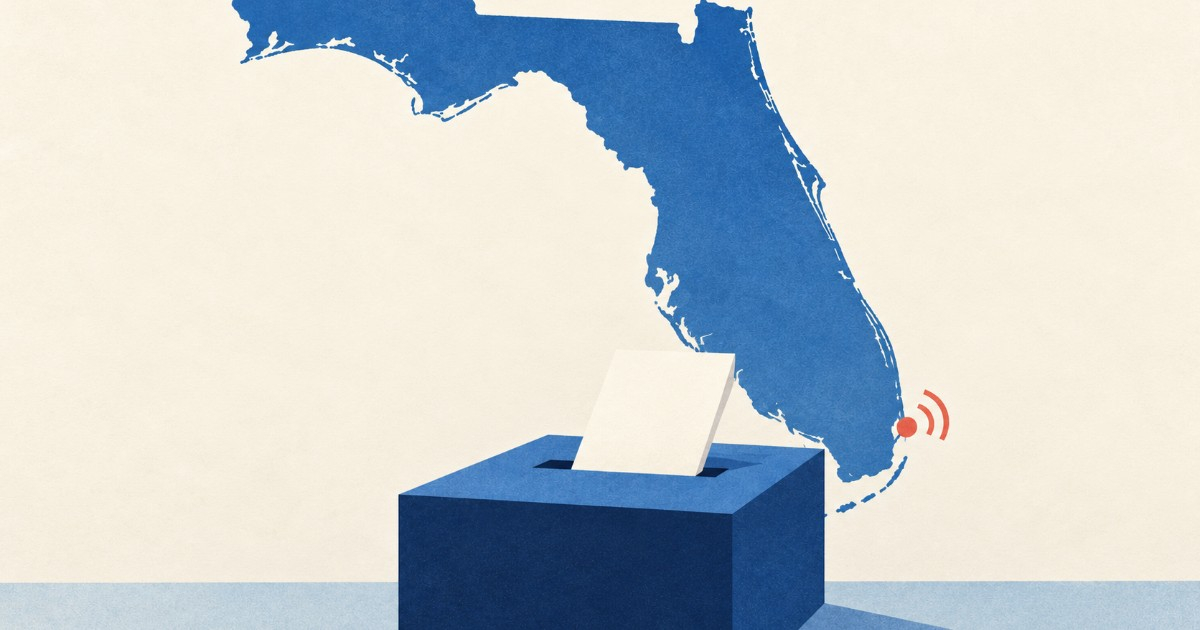
CiberCuba has rolled out its dedicated coverage for the United States 2026 elections, offering a platform to follow the November 3rd elections, get acquainted with the candidates, and engage in discussions about what is at stake. The page aggregates exclusive interviews, polls, voting information, and debate spaces, updating minute-by-minute throughout the election day with the latest developments.
With a particular focus on Florida, Miami, and the Cuban community, the coverage will blend election results and reactions with in-depth reports and interviews. Readers can immediately start exploring the candidates' platforms, access CiberCuba's journalistic work, and engage in discussions on the election races and the candidates themselves.
Join the Discussion and Share Your Views
Readers are invited to contribute their opinions in the special section: they can comment on the races and candidates, share their concerns, and debate proposals. Topics such as immigration, housing insurance, the economy, and policies toward Cuba are among the issues open for discussion.
The goal is to exchange perspectives with other readers and express expectations from those aiming to represent them, whether in the Florida gubernatorial debate or other elections covered in the special.
Exclusive Interviews: From Archives to Current Campaigns
The coverage is anchored in CiberCuba's original journalism, featuring interviews that shed light on the main players, their backgrounds, and their stances on issues important to the community. Noteworthy dialogues include those conducted by journalists like Ernesto Morales and Tania Costa.
For instance, the archive contains Ernesto Morales' interview with María Elvira Salazar, published on February 8, 2018, where she discussed her priorities on immigration and Cuba as she transitioned from journalism to politics. This archival conversation offers insight into the beginnings of her political career.
In an exclusive interview with David Jolly, released on October 28, the Democratic candidate for governor expressed his views on the Cuban dictatorship, immigration policies, and housing insurance plans.
Angie Nixon's exclusive interview, published on October 29, explored her opinions on Cuba and authoritarianism, her responses to campaign criticisms, and her pledge to support measures for regularizing Cubans with I-220A status.
The interview with Eliott Rodríguez, conducted by Tania Costa and published on July 14, details his congressional aspirations and the bond he's built with South Florida's community throughout his journalism career.
These features allow readers to understand the candidates' responses and context surrounding their statements, presenting campaign proposals and commitments with dates and accurate attribution.
Live Updates on Election Results and Reactions
On November 3rd, the special will focus on the voting updates and election night activities. Alongside the results, there will be statements from major figures, voter reactions, and CiberCuba's reports and interviews to capture the day’s experiences.
Vote count data will be incorporated as they become available, distinguishing between preliminary results and those certified by electoral authorities, following the coverage methodology. The tracking will be complemented with information on the races and their protagonists.
Broadening Florida Coverage
In its initial phase, the Florida election section features seven races: the governorship, a federal Senate seat, the Attorney General, the state’s Chief Financial Officer, and the 26th, 27th, and 28th districts of the House of Representatives.
Readers can follow contests such as those between Byron Donalds and David Jolly for the governorship, and Ashley Moody and Angie Nixon for the Senate. In South Florida, the special also tracks the races of Cuban-American congressmen Mario Díaz-Balart, María Elvira Salazar, and Carlos Giménez, in districts 26, 27, and 28, respectively, providing information on their opponents.
The candidate directory compiles their profiles and related coverage, offering insights into those vying to represent voters.
The special will gradually incorporate more counties, expanding available information on other regions and their communities.
Polls, Voting Information, and Cuban Community Insights
The polling section showcases surveys with their sources, dates, and surveyed populations. Studies covering Florida as a whole and those focused on the Cuban-American community are displayed separately to aid in understanding each measurement.
The voting guide provides details on methods, deadlines, and hours, along with official links to check polling places and ballots in Miami-Dade.
The campaign insights section for the Cuban community contains news on immigration, I-220A, and the positions of candidates and the federal government regarding Cuba.
How to Follow Coverage and Join the Conversation
The special is now accessible at cibercuba.com/s/elecciones-usa-2026/. Readers can bookmark the link, access interviews, comment on races and profiles of interest, and return on November 3rd to follow the results and stories of the day with CiberCuba.
Understanding the 2026 U.S. Election Coverage
What is the focus of CiberCuba's election coverage?
CiberCuba's coverage focuses on providing real-time updates, candidate interviews, and discussions, particularly emphasizing Florida, Miami, and the Cuban community.
How can readers engage with the election content?
Readers can engage by commenting on races and candidates, sharing concerns, and debating proposals related to key issues such as immigration and policies toward Cuba.
What kind of interviews are included in the coverage?
The coverage includes exclusive interviews with candidates, providing insight into their backgrounds, political stances, and responses to community-related issues.