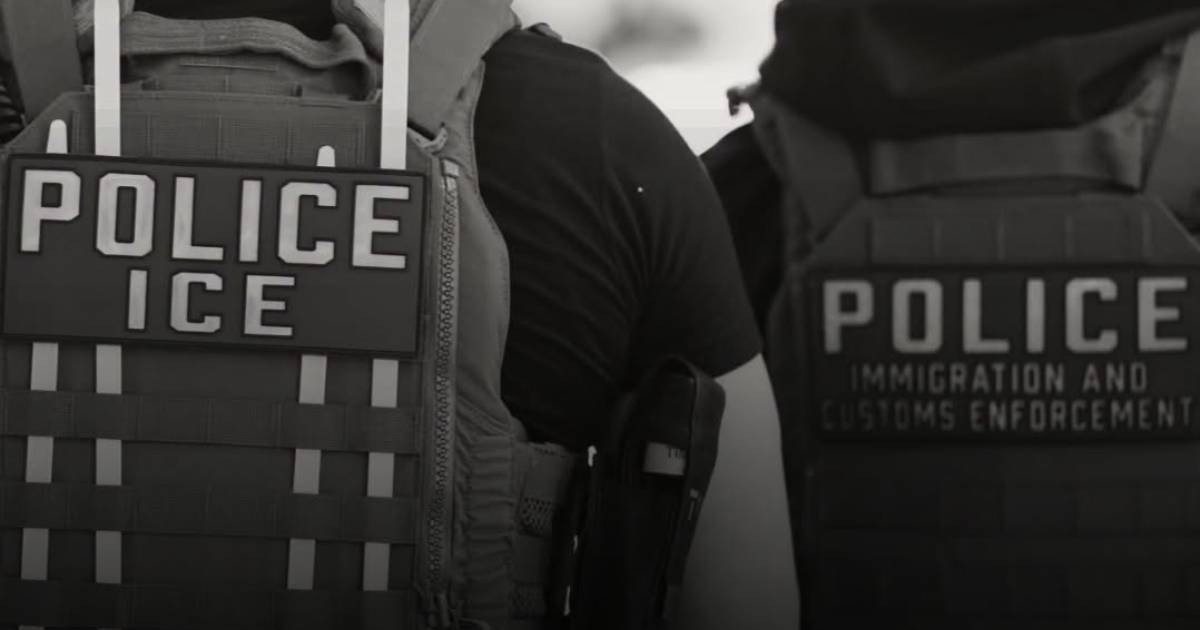
A Cuban woman who arrived in the United States at the age of 11 during the Mariel Boatlift recounts a harrowing experience. In the dead of night, at 3 a.m., she was taken from a detention center in Arizona and placed on a bus bound for the Mexican border. There, an officer presented her with a self-deportation document featuring a signature she insists was not hers.
The story of Dolores Freixa, brought to light by an investigation from The Florida Trib, highlights a concerning trend described by immigration attorneys. They point to a systematic approach involving late-night transfers without prior notice, the presentation of documents under duress, and detainees who are often unaware of what they are signing.
In June, Freixa was roused from her sleep at the Eloy Detention Center in Arizona and boarded onto a bus with around 40 other men, mostly Mexicans allegedly told they had "voluntarily" agreed to return to their home country. Freixa was the sole Cuban and was left in the dark about her destination. Upon reaching the border, she refused to leave the bus, insisted the transfer was unlawful, and noted the document's signature was not hers. She was eventually returned to the detention center in Arizona, an anomaly in such cases.
Freixa's legal troubles stem from a 2015 conviction for theft, burglary, and fraud, after which she was directly transferred to immigration detention upon her release from prison.
Patterns of Forced Deportations Highlighted by Attorneys
Attorney Liudmila Marcelo has identified a disturbing pattern: "They are loaded onto a bus without any explanation, driven to the Mexican border, and coerced to disembark. This happened to one of my clients who refused to get off. Others who complied found themselves deported. My client has repeatedly been asked to sign documents under pressure."
This incident is part of a broader series of challenges facing Cuban and other immigrants in the United States. For ongoing coverage of detentions, deportations, and immigration rights, visit our U.S. Immigration section.
Attorney Andrea Jacoski emphasized the U.S. government's eagerness to deport as many individuals as possible, particularly noting the vulnerability of Cubans: "Tragically, many Cubans have deportation orders, making them easy targets. These individuals have been following the law and reporting to ICE for decades."
Third-Country Deportations and the Impact on Cuban Nationals
The practice of deporting individuals to third countries is facilitated by an arrangement with Mexico, particularly when the Cuban government refuses to accept its nationals, often those with criminal records or who left Cuba before 2017. The U.S. sends them to Mexico under a non-public agreement. Since January 2025, Third Country Deportation Watch reports that over 25,000 individuals have been sent to 29 countries.
A report by Human Rights Watch from May noted that Cubans represent the largest national group deported to Mexico. Once there, they are given only a ten-day stay permit without guaranteed shelter or medical care, leaving them vulnerable to trafficking and extortion networks.
The Department of Homeland Security has denied any coercion, stating, "It is categorically false that we pressure anyone to self-deport." The agency adds that those who voluntarily agree to return receive a free flight and a $3,000 stipend.
Jacoski challenges the agency's definition of safety: "The law allows deportation to a third country, but it must be safe. Many of the countries receiving these deportees are embroiled in civil wars or internal conflicts."
Even Cubans with decades of U.S. residency have been affected by this policy. Recently, stories emerged of a Cuban man deported to Mexico after 55 years in the U.S., and another who arrived during the Mariel Boatlift, now 72, also expelled to Mexico.
On September 29, the Supreme Court lifted three injunctions blocking third-country deportations, with the case's merits set for December review.
Frequently Asked Questions About Cuban Deportations
What is the Mariel Boatlift?
The Mariel Boatlift was a mass emigration of Cubans who traveled from Cuba's Mariel Harbor to the United States between April and October 1980.
Why are Cubans being deported to Mexico?
Due to an agreement between the U.S. and Mexico, Cubans who cannot be returned to Cuba are often deported to Mexico, especially if they have criminal records or left Cuba before 2017.
What challenges do deported Cubans face in Mexico?
Deported Cubans in Mexico often have only ten days to remain legally, without guaranteed access to shelter or healthcare, and may be vulnerable to trafficking and extortion.