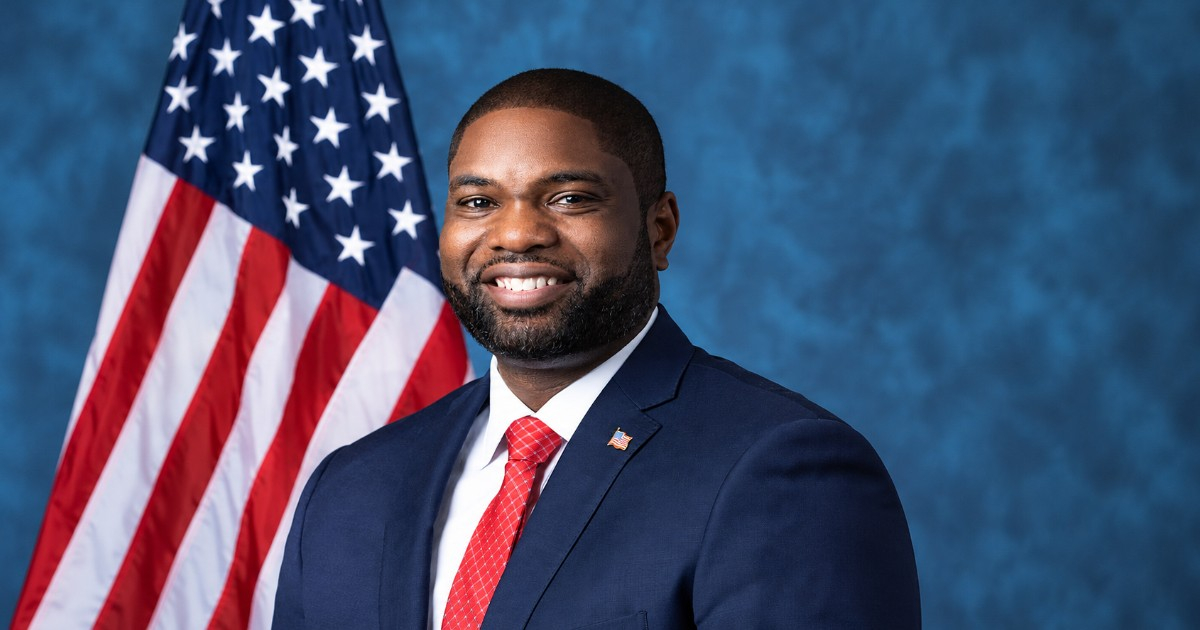
Florida gubernatorial candidate Byron Donalds, a Republican, made a stop at the Bay of Pigs Museum in Miami's Little Havana on Friday. With less than three weeks until the November 3 election, he reiterated his firm opposition to communism and socialism, vowing to prevent these ideologies from taking root in the state.
"We want Cuba to be free from communism, free from socialism, and I want to make something very clear: we will not tolerate communism here in Florida. We will not tolerate socialism in the United States," Donalds declared during a gathering with members of the Cuban exile community, as reported by Local 10 (WPLG) on Friday.
The congressman, who is aiming to succeed Governor Ron DeSantis and maintain Republican control of the state government, assured the community, "You have my support."
Strategic Appeal to Cuban-American Voters
Donalds strategically chose Little Havana's Bay of Pigs Museum, a site of profound historical significance for the Cuban exile community, to deliver his anti-communist message. The museum commemorates the 1961 Bay of Pigs invasion against Fidel Castro's regime, making it a powerful backdrop for his campaign rhetoric against Cuba's political system and its potential influence in the U.S.
However, while Donalds' strong stance against the Cuban regime resonates with many, it doesn't fully address the complex issues faced by the community, such as rising living costs, housing concerns, and immigration uncertainties.
Bryan Ávila: A Key Ally in the Campaign
To strengthen his connection with Cuban-American voters, Donalds has chosen Bryan Ávila as his running mate. Ávila, a Cuban-American state senator from Hialeah and the son of Cuban exiles, plays a pivotal role in reaching out to Hispanic voters. His presence on the ticket brings local political insight from Hialeah and Miami-Dade, areas crucial for mobilizing this demographic.
Ávila's candidacy was announced at the iconic Freedom Tower in Miami, another symbol of Cuban immigration history. Through his personal narrative, he underscores his opposition to communism and aligns with the Republican Party's values.
Democratic Rival Focuses on Racial and Economic Issues
While Donalds was in Little Havana, his Democratic opponent, David Jolly, met with religious leaders and Black voters in Deerfield Beach, Broward County. Jolly's outreach focused on addressing racial and economic disparities in Florida.
During the community meeting, attendees discussed issues affecting seniors and veterans, diversity policies, rising home insurance premiums, and public education funding. Jolly criticized the state's history of marginalization and division, particularly concerning racial and economic inequalities.
The Democrat emphasized, "We have developed an agenda to tackle these issues, and I am confident in our platform's stance compared to my opponent's."
Polls Show Donalds Leading in the Race
Donalds' campaign efforts in Miami come after a Mason-Dixon poll, released by NBC6 and Telemundo Station Group on October 7, showed him leading Jolly by seven percentage points. The survey indicated Donalds had 48% of the vote, while Jolly had 41%, with around 10% of voters undecided.
Among Hispanic voters, Donalds had a slight edge with 48% compared to Jolly's 43%. The poll, conducted between September 28 and October 1, included 625 registered voters who expressed their intention to vote. It highlighted economic concerns, such as the cost of living and inflation, as significant voter issues.
Complex Dynamics Within the Cuban Exile Community
Donalds' visit to Little Havana occurred amidst ongoing discussions in the Cuban exile community about U.S. policies towards Cuba and the impact of Trump's immigration measures. Some exiles in Miami have expressed disappointment over the lack of political change in Cuba, despite high expectations for Trump's presidency.
Concerns about deportations, immigration arrests, and the uncertain status of many Cuban residents in the U.S. further complicate the community's political landscape. While the Cuban-American community may generally oppose the Cuban dictatorship, views vary on issues like immigration and economic management at both state and federal levels.
Contrasting Campaign Strategies in South Florida
On Friday, both Donalds and Jolly demonstrated distinct approaches to engaging with voters in South Florida. Donalds centered his campaign on rejecting communism and socialism at a symbolic site for Cuban exiles, while Jolly focused on addressing racial inequality, education, and public services by meeting with Black community leaders.
These interactions took place in a critical region where voter turnout could significantly influence the election outcome. Both candidates plan further campaign activities in the area as the election approaches, with Donalds set to participate in a rally with Republican Senator Ashley Moody in Weston and Jolly planning a final campaign event in Fort Lauderdale.
FAQs on Byron Donalds' Campaign and Cuban-American Vote
What was the purpose of Donalds' visit to the Bay of Pigs Museum?
Byron Donalds visited the Bay of Pigs Museum to reinforce his anti-communist and anti-socialist stance and to connect with the Cuban exile community in Miami.
Who is Bryan Ávila and what role does he play in Donalds' campaign?
Bryan Ávila is a Cuban-American state senator from Hialeah and Donalds' running mate. His role is crucial in reaching out to Hispanic voters and supporting the campaign's anti-communist message.
How does David Jolly's campaign strategy differ from Donalds'?
David Jolly's campaign focuses on addressing racial and economic inequalities, meeting with Black community leaders, and discussing issues like education and public services, contrasting with Donalds' focus on anti-communism.