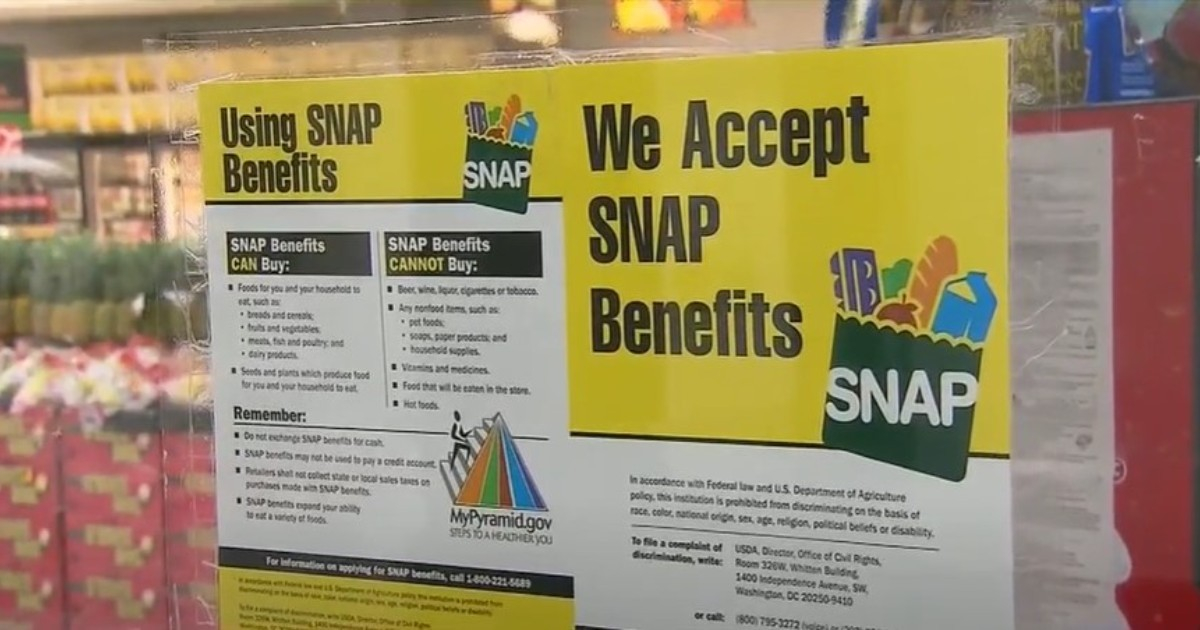
The Supplemental Nutrition Assistance Program (SNAP), commonly referred to as Food Stamps, is set to undergo two significant changes with the start of the 2027 fiscal year. Beginning October 1, the maximum food assistance amounts will increase, yet states will face a substantially greater administrative burden, potentially leading to indirect program cuts.
Every fiscal year, the U.S. Department of Agriculture (USDA) adjusts for cost of living, raising the monthly benefit caps for all household sizes. A single-person household will see an increase from $298 to $306, while a two-person household will receive $562, up from $546. Similarly, three and four-person households will experience increases to $808 and $1,023, respectively. Larger families will also notice a rise, with the minimum benefit climbing by a dollar, from $24 to $25 monthly. These amounts will remain effective until September 30, 2027.
However, not all households will automatically benefit from this increase. SNAP determines individual benefits based on net income, family size, and applicable deductions, which means some families may not experience any change in their monthly payments.
States Face Increased Financial Responsibility
The second alteration, which is more controversial, requires states to shoulder 75% of the program's administrative costs starting October 1, compared to the 50% they currently handle. The federal government's share will decrease from 50% to 25%, a shift mandated by the "One Big Beautiful Bill," signed into law by President Donald Trump in July 2025. Newsweek estimates that this shift will cost states about $16.9 billion more from fiscal years 2027 to 2031, averaging $3.4 billion annually.
Experts warn that this fiscal strain might lead to reductions in program administration at the state level. These dual changes come as the program faces a historic contraction. Since the new requirements and cuts were implemented by this legislation, SNAP participation dropped from 42.3 million people in April 2025 to 37 million in April 2026, marking the steepest decline in decades, as reported by the Center on Budget and Policy Priorities.
Impact on Florida’s SNAP Beneficiaries
The effects of Trump's law have been particularly severe in Florida. Between 553,000 and 558,000 residents, including seniors, veterans, and individuals with disabilities, lost access to the program since July 2025, nearly double the initial projections of the Department of Children and Families.
Florida channels over $7 billion annually in SNAP benefits to roughly 2.9 million recipients, comprising 13% of the state's population. As the new fiscal year commences in October, the state will need to absorb up to $1.6 billion in additional costs due to the federal law.
In March, the Florida Senate passed bill SB 1758, introducing further changes to the state program, such as enhanced verification for beneficiaries and the option for EBT cards with photos. About a month later, a program prohibited SNAP recipients in Florida from purchasing sodas, energy drinks, candies, and processed desserts. According to state officials, this measure aims to allocate funds toward more nutritious products, though it has sparked concern among community organizations and beneficiaries, who argue it could complicate access to affordable foods for low-income families.
The Historic Cutbacks of the "One Big Beautiful Bill"
The "One Big Beautiful Bill" results in an approximate $186 billion reduction in the SNAP program through 2034, according to the Congressional Budget Office. It also expanded work requirements: adults aged 18 to 64 without children under 14 must work, volunteer, or participate in training programs for at least 80 hours a month to continue receiving benefits. Those who fail to meet these criteria can only receive assistance for three months within a three-year period unless they qualify for an exemption.
The USDA confirmed, "Even veterans must demonstrate employment to keep receiving food stamps." Additionally, states can only extend benefits to unemployed individuals if the local unemployment rate exceeds 10%, drastically limiting temporary exemption opportunities.
"The social safety net is being dismantled under a guise of efficiency, yet many affected are the working poor, children, and the elderly," cautioned a spokesperson for the Center on Budget and Policy Priorities, summarizing the concerns of organizations monitoring the legal and legislative impact on the program.
Frequently Asked Questions About SNAP Changes
How will the SNAP benefit increases affect individual households?
The increases in SNAP benefits depend on various factors, including net income, family size, and applicable deductions. Therefore, not all households may see a change in their monthly benefits.
What are the new requirements for SNAP beneficiaries in Florida?
Florida has introduced additional verification measures for beneficiaries and may implement EBT cards with photos. Furthermore, SNAP recipients in Florida can no longer purchase sodas, energy drinks, candies, and processed desserts with their benefits.
What is the impact of the "One Big Beautiful Bill" on SNAP?
The "One Big Beautiful Bill" includes an approximate $186 billion cut to SNAP through 2034 and introduces more stringent work requirements for adults without young children, affecting benefit eligibility.