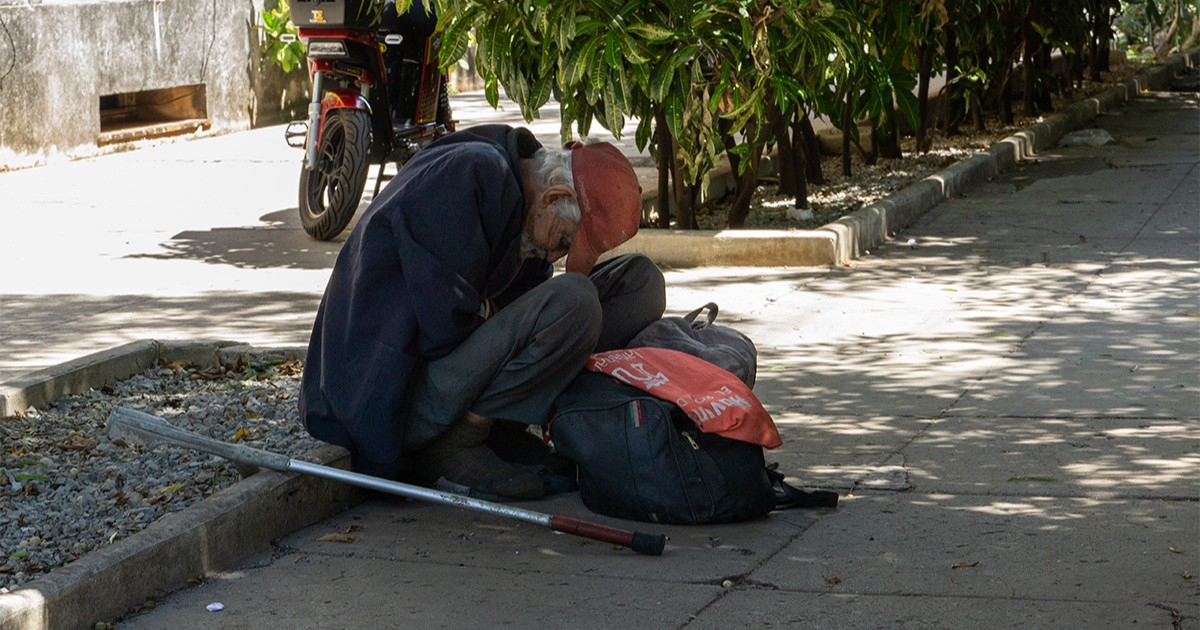
Sociologist Elaine Acosta emphasized on Sunday that Cuba is ill-prepared to handle the rapid aging of its population, a situation that is poised to create significant inequalities among the elderly. This comes in a nation where the pension system is already in crisis and the state's support is dwindling with no viable alternatives for most citizens.
Speaking to Martí Noticias, Acosta pointed out that the core issue is not the aging itself, but rather the lack of institutional response: "The problem isn't the accelerated aging, which could be a positive development, but the Cuban society's poor readiness to tackle the challenges posed by such a defining demographic shift."
Data from the National Office of Statistics and Information (ONEI) reveals that by 2040, 36% of the Cuban population will be over 60 years old. As of 2026, this figure is already at 26.7%, up from 24.4% at the end of 2023. This acceleration is driven by three factors: a sustained decline in birth rates—projected at 1.29 children per woman in 2025, far below replacement levels—an increase in deaths, and the massive emigration of young Cubans, nearly 50% of whom are under 35.
By 2025, Cuba experienced double the number of deaths compared to births: 134,354 deaths against 68,051 births, reducing the total population to approximately 9.43 million.
Acosta warned that if this trend persists, the impacts will be profound and structural: "Entire communities will become logistically oriented around elder care, facing an unsustainable burden. Amidst the current humanitarian crisis, failing to adequately address the precarious living conditions will hinder our ability to organize or reorganize care as an aging society demands."
Growing Economic Divide Among Elderly
The expert highlighted an emerging social divide among the elderly themselves. Those receiving remittances from abroad can afford private care facilities, which charge upwards of $1,080 monthly, while the vast majority rely on overburdened families or insufficient pensions. In September 2025, the minimum pension was increased to 4,000 Cuban pesos, yet this amounts to less than $10 on the informal exchange market.
"What we are likely to see is an increasing income and class gap, even among the elderly, with limited access to the care services market and a large majority dependent on overwhelmed families," Acosta noted. "This also alters the dynamics of economic security, as we are already facing a pension system sustainability crisis."
The responsibility of caregiving disproportionately falls on women, in the context of extreme scarcity. The regime implicitly acknowledged this reality in July 2026 by announcing that up to 10 years spent caring for relatives would count as work time towards retirement.
Need for Structural Transformation
Acosta also stressed that aging necessitates a transformation that the regime is failing to implement: "The aging of a society reshapes urban spaces and institutions, requiring a comprehensive structural transformation that, unfortunately, is not happening. Collective demands focused on issues like food security, pensions, and social inclusion should be prioritized."
The public system only has 156 elder care homes with 12,697 beds nationwide, and 51 municipalities lack any elder care services, according to August 2026 data.
Understanding Cuba's Aging Crisis: Key Questions Answered
What is causing the rapid aging of Cuba's population?
The rapid aging in Cuba is due to a combination of declining birth rates, rising death rates, and the significant emigration of young people.
How is the Cuban pension system coping with this demographic shift?
The pension system in Cuba is in crisis, unable to sustain itself amidst the increasing elderly population and limited state support.
What are the implications of the aging population for Cuban society?
The implications include a potential increase in income and class disparities among the elderly, a strain on caregiving resources, and a need for significant structural changes.