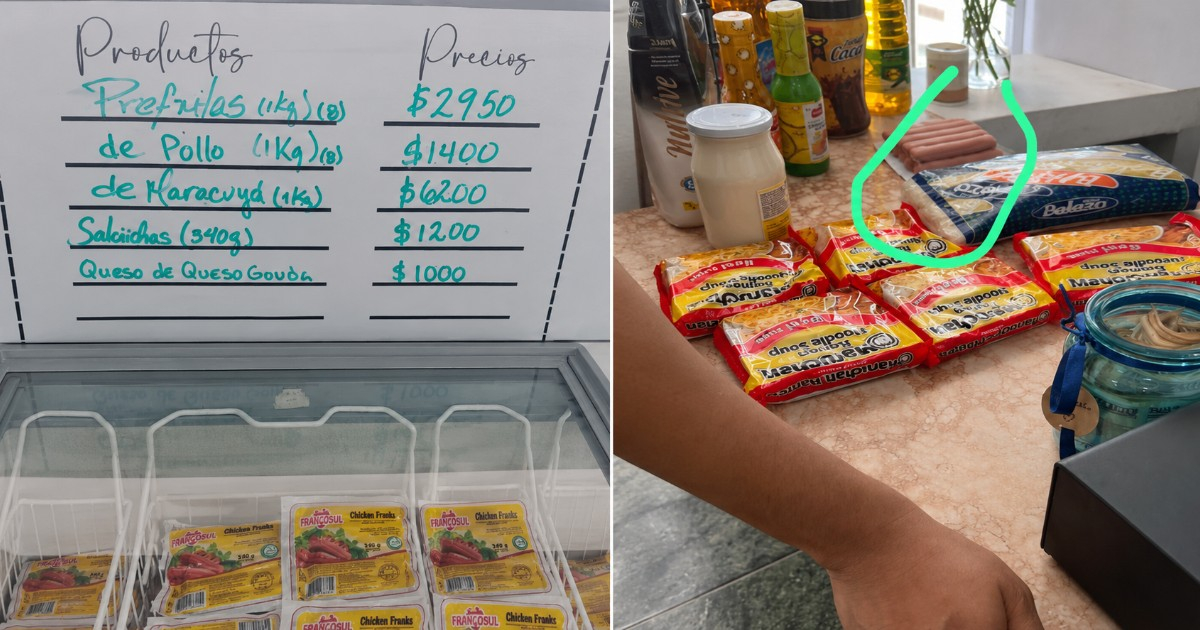
In a recent move, the Cuban regime has made it known that after removing price caps and allowing the cost of essential goods to soar, it now aims to rectify the chaos nationwide through fines, confiscations, forced sales, and closures targeting private enterprises.
Crackdown on Private Enterprises
This Wednesday, the Municipal Administration Council of Plaza de la Revolución, located in Havana, reported that inspectors conducted 20 control operations in establishments under non-state management.
Authorities identified sales of sausages, oil, chicken, and ground meat without publicly displayed prices. They labeled these price points as "exorbitant and speculative," particularly concerning the buying and reselling of these goods.
Enforcement Actions and Penalties
Following the inspections, 17 fines were issued under the auspices of Decree 30/2021 from the Ministry of Finance and Prices. In addition, three forced sales were mandated; however, the official report did not specify the products sold or the prices set by inspectors.
Another business was penalized for not using electronic payment gateways, receiving a fine under Decree Law 91/2024 and temporarily halting its operations.
Government's Warning and New Measures
The municipal government has warned it will intensify actions against those who do not comply with its regulations, threatening temporary closures of up to three months. Additional sanctions could include confiscation, forced sale of merchandise, and new fines.
Broader Implications Across Cuba
This crackdown comes just weeks after the Ministry of Finance and Prices officially removed maximum retail prices for items like chopped chicken, edible oils—excluding olive oil—powdered milk, pasta, and sausages through Resolution 150/2026.
Miguel Díaz-Canel himself acknowledged that the price caps failed to curb inflation, leading to product shortages, diversion to the black market, and price hikes.
Despite this, local administrations are reactivating control and pressure mechanisms against private vendors. Havana is not the only region tightening measures. In Sancti Spíritus, a recent operation resulted in over 200 fines and the closure of at least five establishments primarily due to pricing and electronic payment violations.
On Wednesday, the municipal government of Guantánamo set a reference price of 2,200 pesos for oil, announcing fines, confiscations, forced sales, and closures of up to three months for non-compliance, denying it was a new cap.
Meanwhile, the Provincial Government of Granma has called on private importers of food and hygiene products to seek "joint solutions" amid the rapid escalation of basic goods prices and increasing official pressure on the non-state sector.
These measures once again highlight the erratic nature of the regime's economic policy: it first lifts controls after admitting their failure, only to shortly thereafter resort to inspections, threats, and sanctions to attempt to contain prices that most Cuban salaries and pensions cannot sustain.
Understanding Cuba's Economic Measures
What prompted the Cuban government to impose new sanctions on private businesses?
The Cuban government imposed new sanctions to address what it considers to be exorbitant and speculative pricing by private businesses, following the removal of price caps that allowed the cost of essential goods to increase significantly.
How are the recent economic measures affecting private businesses in Cuba?
Private businesses in Cuba are facing increased inspections, fines, forced sales, and potential closures of up to three months if they are found non-compliant with the government's pricing regulations.
What are the broader implications of these measures across different regions in Cuba?
Regions such as Havana, Sancti Spíritus, Guantánamo, and Granma are experiencing renewed enforcement of pricing regulations, leading to fines, business closures, and heightened pressure on non-state sectors.