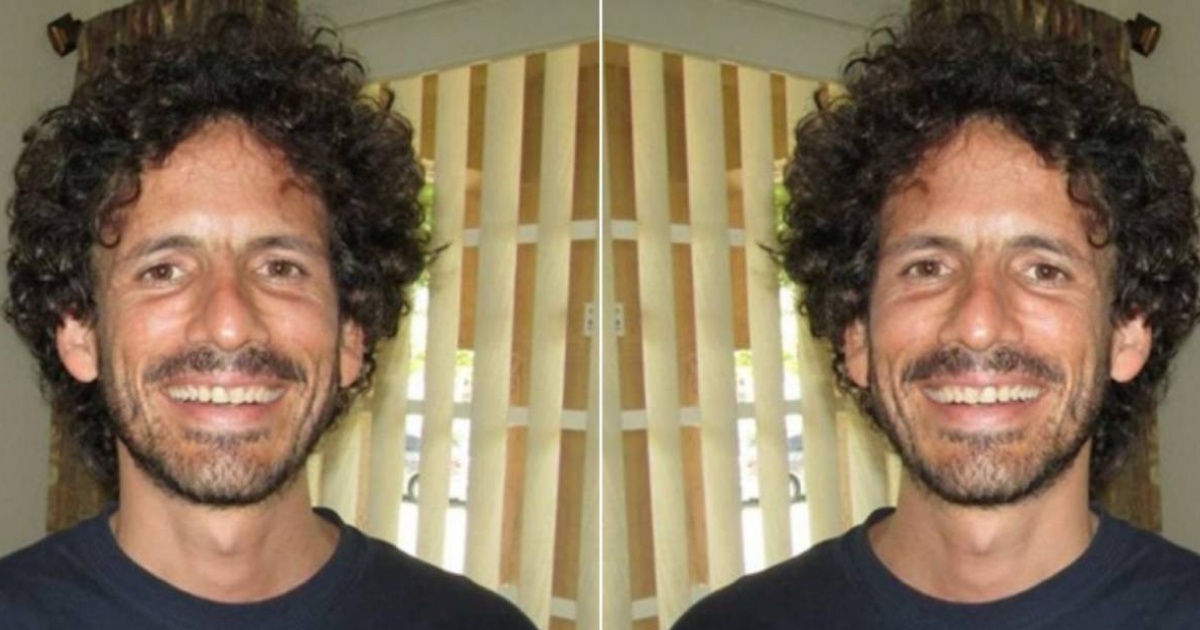
Cuban journalist, filmmaker, and activist Boris González Arenas asserts that the independent media ecosystem, developed over the past three decades, serves as the foundation for establishing a free press in a future democratic Cuba. During an in-depth interview with CubaNet, published on Saturday as part of the "Cuba: Rebuilding and Reinventing" project by Cuba Siglo 21, González Arenas shared his insights.
The Path to Dismantling Cuba's Media Monopoly
With over 16 years of experience as an independent journalist, art historian, and film director, González Arenas discussed issues ranging from breaking down the Communist Party of Cuba's (PCC) media monopoly to the ethical challenges the press might face during a transitional period.
"I believe the groundwork for dismantling this monopoly has been laid for many years," he noted, citing various independent publications like El Toque, Diario de Cuba, 14yMedio, El Estornudo, Hipermedia, and CubaNet. However, he emphasized that legalization remains elusive: "What is missing is the end of the communist monopoly to legitimize these outlets."
Constitutional and Legal Barriers
This monopoly is constitutionally entrenched. Article 55 of the 2019 Cuban Constitution bans private ownership of mass media, a framework reinforced by Decree 160/2026, effective from July 28, which prohibits non-state actors from practicing journalism or operating news agencies.
Regarding state media such as Granma, Cuban television, and provincial stations, González Arenas told journalist Camila Acosta: "I don't think there will be much purpose for the PCC's extensive media network to continue." He advocated for a public television service focused on civic education and accountability. "Cubans lack a significant understanding of democracy, its workings, and its value," he remarked.
Safety Concerns and International Oversight
Addressing journalist safety during the transition, González Arenas was blunt: "The transition is a sensitive time, and international bodies need to be vigilant because we are all on the regime's blacklist. Killing us is undoubtedly one of their first desires." He mentioned organizations like Reporters Without Borders, Article 19, and the Inter American Press Association as existing watchdogs. According to the 2026 World Press Freedom Index, Cuba ranks 160th out of 180 countries, with ICLEP documenting 114 attacks on journalists in January 2026 alone, including 69 arbitrary detentions, marking a 430.8% increase from the previous year.
Internet Access and Historical Records
González Arenas underscored the critical importance of democratizing internet access, harshly criticizing ETECSA: "ETECSA is a military base masquerading as a company... controlled by regime cronies. Ultimately, GAESA, the regime's empire, dominates it." He recalled that mobile internet access was only available starting December 6, 2018, leaving Cubans reliant on Granma and Juventud Rebelde for information.
On preserving independent journalism archives for historical memory, González Arenas remarked, "These archives will be invaluable to historians and future Truth Commissions. However, there is a significant risk as our work is mostly online and could be lost."
He warned that "the legacy of Castroism could leave journalism beholden to power groups," cautioning that journalists from official media might infiltrate independent journalism to corrupt it in a democratic era.
In a future democratic Cuba, "It is crucial for the state to be scrutinized and mandatorily open to press oversight," concluded González Arenas.
Exploring Journalism's Role in Cuba's Transition
What is the current state of independent media in Cuba?
Independent media in Cuba have developed significantly over the last three decades, laying the groundwork for a free press in a future democratic Cuba. However, these outlets lack legal recognition due to the communist regime's media monopoly.
How does the Cuban Constitution impact media ownership?
The 2019 Cuban Constitution's Article 55 prevents private ownership of mass media, reinforcing the regime's control. This legal barrier is further reinforced by Decree 160/2026, which restricts non-state journalism.
Why is internet access crucial for Cuba's future?
Internet access is vital for democratizing information in Cuba. Currently, ETECSA's control limits access, but widespread internet availability would empower the populace with diverse and independent sources of information.