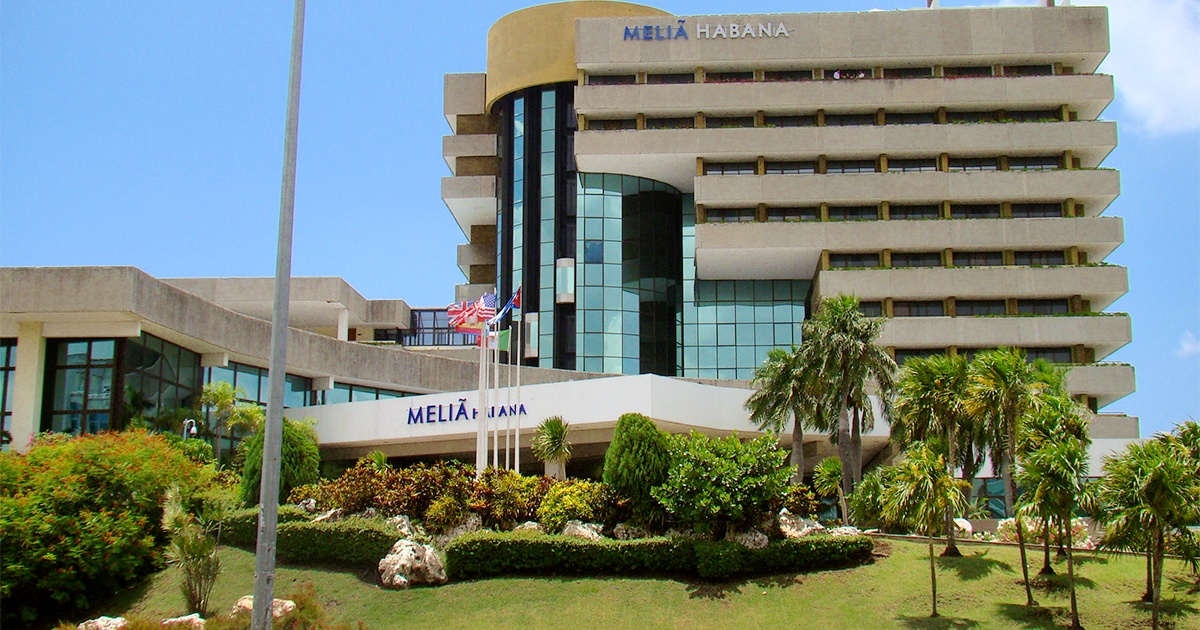
Meliá Hotels International revealed on Tuesday its plan to cease all operations in Cuba starting Friday, July 24, 2026. This move involves closing down the 34 establishments they've managed on the island, marking the end of a 36-year continuous presence.
The decision was formally communicated to Spain's National Securities Market Commission through its Portuguese subsidiary, Ilha Bela Gestão e Turismo. This encompasses the complete halt of using authorized brands, halting inbound tourist activities, and ceasing the local supply chain.
The Official Statement and Its Rationale
In the document sent to the stock market regulator, the Escarrer family-owned company laid out its reasons clearly:
“This decision stems from significant operational, legal, economic, and financial challenges that have persistently, and continue to, impact the conditions in that country, effectively and legally preventing any minimal operational stability in its activities.”
The statement also assured an orderly exit:
“Ilha Bela will continue implementing the necessary processes to ensure a smooth transition, adopting measures needed to minimize the impact of ceasing services, and establishing protocols to ensure transparent communication with employees, suppliers, and customers.”
It's crucial to note that Meliá's departure doesn't necessarily mean the hotels will stop functioning: the properties are owned by Cuban state entities, which might continue operations under different management.
A Long Time Coming: The Withdrawal Process
This decision concludes a process that began on June 3, when Meliá announced the cessation of operations in 15 hotels linked to GAESA, the military conglomerate of the Cuban regime, in response to Executive Order 14404 signed by Donald Trump on May 1, 2026.
That order designated GAESA as a sanctioned entity and set a June 5 deadline for foreign companies to sever ties with the group, under threat of exclusion from the U.S. financial system.
The decisive blow came on July 13, when the Trump administration expanded sanctions to include the Cuban Ministry of Tourism and nine additional state entities, leaving no room for Meliá to sustain its remaining hotels.
At that time, Meliá's CEO, Gabriel Escarrer Jaume, expressed uncertainty:
“I don’t know, the truth is we don’t know what’s going to happen. We are following the instructions of the U.S. State Department.”
The Collapse of Cuban Tourism
Meliá's exit coincides with a particularly dire period for the island's tourism sector.
In 2025, Cuba welcomed only 1.81 million international visitors, the lowest since 2002 and less than half of the record 4.7 million in 2018. Hotel occupancy plummeted to 18.9% that same year.
In the first four months of 2026, the situation worsened further: just 328,608 tourists arrived on the island, a drop of over 50% compared to the same period the previous year.
By the first quarter of 2026, Meliá was operating at 50% capacity, with several hotels shut due to the energy crisis, fuel shortages, and declining demand. By July, only four to five establishments remained open.
A Chain Reaction in the Hotel Sector
Meliá isn't the only chain exiting Cuba. Iberostar stopped managing 12 of its 18 hotels linked to GAESA as of June 1, while Canadian Blue Diamond Resorts confirmed its complete withdrawal on May 31, affecting 62 hotels and more than 12,900 rooms.
Total losses for Spanish companies in Cuba are estimated between 80 and 100 million euros.
The regime of Miguel Díaz-Canel has threatened legal action for breach of contract, but Meliá cites the European Union’s Blocking Statute, in effect since 1996, which prohibits European companies from complying with U.S. extraterritorial sanctions, as its defense.
Despite the gloomy outlook, Escarrer Jaume did not dismiss the possibility of returning when asked about Cuba's future in tourism: “I believe it does, without a doubt.”
Frequently Asked Questions About Meliá's Withdrawal from Cuba
Why is Meliá shutting down its operations in Cuba?
Meliá is ending its operations in Cuba due to persistent operational, legal, economic, and financial difficulties that have hindered any stability in its activities within the country.
Will the hotels operated by Meliá in Cuba continue to function?
The hotels might continue operations as the properties are owned by Cuban state entities, which could choose to manage them under different arrangements.
How has the Cuban tourism sector been affected recently?
Cuba's tourism sector is facing a significant decline, with visitor numbers dropping to the lowest since 2002 and hotel occupancy rates plummeting due to various economic challenges.