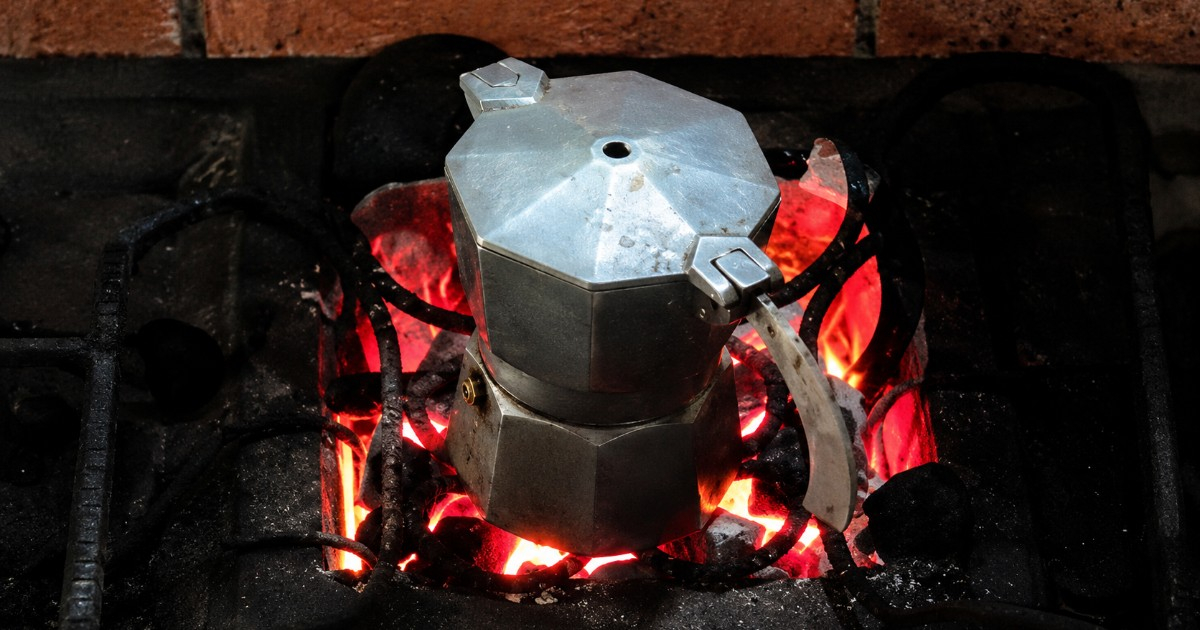
The government-run newspaper, Venceremos, recently boasted about the inclusion of El Salvador municipality in Guantánamo in the charcoal export business. This announcement, however, has sparked a wave of anger among Cubans who are grappling with severe shortages of electricity and liquefied gas, forcing many families to rely heavily on charcoal for cooking.
The provincial outlet revealed that El Salvador has already dispatched its first container of charcoal to the international market. This year, the exportation of charcoal resumed in Guantánamo, with authorities emphasizing its significant role in generating foreign currency for the producing companies.
The municipality plans to export a total of 60 tons by 2026. Currently, there is enough charcoal stocked to fill a second container, with efforts underway to produce a third. Each container is estimated to hold approximately 17.5 tons.
Despite the announcement, the publication failed to disclose the destination country for the shipment, the financial returns expected from the sale, or how these profits would benefit the local community.
The announcement triggered a torrent of critical remarks on Facebook. Many questioned the logic of exporting charcoal while power outages, gas shortages, and electrical service issues make it a critical resource for cooking.
"And how are the people of Guantánamo supposed to cook if you export the charcoal? My goodness," queried Marla Zafra Pérez.
Roque Fuente summarized the frustration with a question: "Exportation, that's great. But what about the people?"
Yoreibis Matos also challenged the authorities' priorities: "It's always the same: export even if your own people have nothing."
Madelin VS provided one of the lengthiest responses, linking the export directly to the hardships families face during prolonged blackouts: "How amusing. While the people suffer from blackouts and have to buy charcoal at high prices from individuals, you speak of exporting to earn foreign currency. And for what? Honestly, you don't measure the impact of what you publish, which only infuriates your people more."
Orlenys Collado sarcastically commented on the likelihood that the authorities have secured other energy sources before selling the charcoal: "I assume they have guaranteed liquefied gas or electricity to be able to sell the only thing you have to cook with. That is, if you need to cook."
Ibis Lidia Vázquez reminded that many families lack alternatives due to the combination of power outages and fuel shortages: "Remember that this is the fuel we have, and there's no other option. We don't have bright lights, we don't have liquefied gas, we don't have electricity, and now they take this from us, the charcoal."
Petunia Royal called the announcement disrespectful and condemned the scarcity and high prices of the product in the domestic market: "Exportation? But how far does the madness go? The people have nothing to cook with, and a sack of charcoal is, firstly, almost impossible to find and, secondly, priced through the roof. Guantánamo government, respect your people."
Mirian Corombet Fito expressed surprise at the newspaper's decision to present the news as an achievement: "Exportation? Wow! That's a tough piece of news. I wouldn't be surprised if they remove the publication soon. Common sense."
Angela Pérez accused the authorities of prioritizing foreign sales while the population continues to suffer from shortages: "For God's sake, all you think about is exportation while the people have nothing to cook with."
Raudy Fernández compared the situation to what's happening with other Cuban products destined for the international market: "The same happens with coffee, cigarettes, salt, and cocoa, because there's no sugar. A lot of exportation and no benefits for the people. In the end, this is a poorly told story."
Zunilda Espinosa Galbán questioned the triumphant tone of the publication while consumers pay high prices for small amounts of the fuel: "They make that publication as if it's something monumental while the whole population is buying a can of charcoal for 500 pesos."
Udeliss Rodríguez Galbán also criticized the price families have to pay: "They are really disrespectful. They love exporting, and the people continue to suffer, buying charcoal for 1,600 and more."
Meanwhile, Wilmara Laffita claimed she had to pay even more: "Why don't they export that container of charcoal to the fair? It's just shameful. And I'm buying charcoal for 2,000 pesos, and nobody sees it."
Gibert Sadim demanded that domestic needs be addressed before sending the product abroad: "First ensure imports, and then we'll see what the people will cook with."
This uproar comes amid a national crisis that has made charcoal a fundamental resource for cooking. Prolonged power outages and liquefied gas shortages have skyrocketed demand and prices, while several provinces attempt to increase or control distribution.
In Sancti Spíritus, where a sack of charcoal once exceeded 4,000 pesos, the provincial government subsequently ordered agricultural companies to join in its production.
However, the authorities themselves admitted they couldn't guarantee a stable supply due to a lack of fuel, transportation, tools, and specialized personnel.
In Camagüey, the authorities set an official price of 1,400 pesos for a 20-kilogram sack, compared to the 3,500 to 4,000 pesos it reached in the informal market.
The initial plan was to distribute only 1,700 sacks, a quantity the government admitted was insufficient to meet demand.
Las Tunas faces another side of the same contradiction. Although it has enough marabú to produce between 15,000 and 20,000 tons annually, it had only completed 16% of its charcoal export plan in the first five months of 2026.
Impact of Charcoal Export on Cuban Households
Why are Cubans upset about the charcoal export?
Cubans are frustrated because the exportation of charcoal occurs amidst severe energy shortages, making charcoal an essential resource for cooking as electricity and gas are scarce.
What challenges do Cuban families face with the current charcoal situation?
Families struggle with high prices and scarcity of charcoal, which has become a critical cooking fuel due to ongoing power outages and lack of gas.
How is the charcoal export impacting local markets?
The export is contributing to shortages and driving up prices in local markets, making it difficult for residents to access an already limited resource.
What are the authorities doing to address the charcoal shortage?
Authorities have encouraged agricultural companies to participate in charcoal production, but there are challenges in ensuring a consistent supply due to logistic and resource constraints.