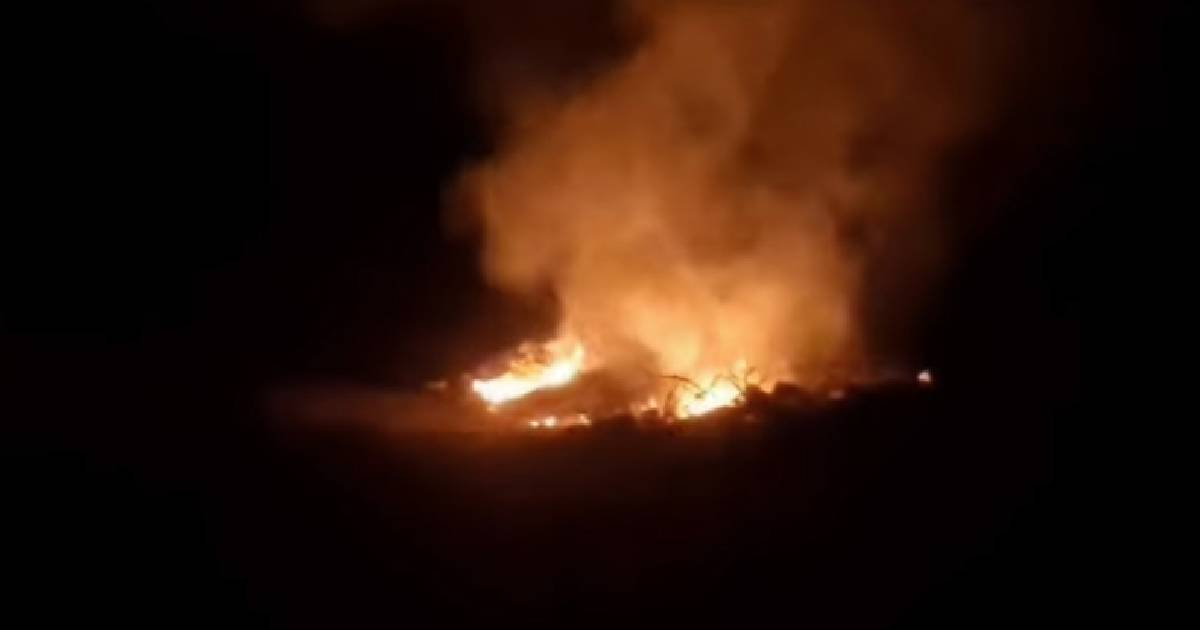
On Tuesday night, residents of Zones 9 and 11 in the Alamar neighborhood, located in Havana's East Municipality, took to the streets banging pots and burning accumulated trash as a demonstration against the prolonged blackouts imposed by the Cuban regime. This protest was documented by several Facebook profiles.
According to CubaFace Noticias, the pot-banging protest took place around 10:00 p.m. local time during a lengthy power outage that lasted for hours.
This demonstration came just one day after Cuba experienced its seventh total shutdown of the National Electroenergetic System in 18 months—the third occurrence in 2026—resulting in a deficit of 2,230 MW against a mere 1,000 MW availability.
The Growing Call for Freedom
The slogan "#Libertad" accompanied the video post, capturing the sounds of residents striking pots and pans. Alamar has seen such demonstrations before; on March 23, 2026, similar protests, including trash burning, took place, and on May 21, a nighttime protest ended with police repression and at least one arrest.
This recent pot-banging is part of a wave of protests that have swept across Cuba since March, peaking in June with 107 street demonstrations nationwide, nearly double the previous record of 54 in March, with 82 of these concentrated in Havana.
Escalating Demands Amid Energy Crisis
Over the weeks, protest slogans have intensified, evolving from "We Want Power!" to "Down with the Dictatorship!" and "Freedom!", with "Homeland and Life" becoming the anthem of the movement.
In the early days of July, protests have shown no signs of waning. On Monday, Cubans took to the streets in Jaimanitas after enduring over 24 hours without electricity, and on Wednesday, residents in shelters in Guanabacoa held a pot-banging protest during a nationwide blackout.
The energy crisis fueling these protests is deeply rooted in structural issues: aging thermoelectric plants, fuel shortages, lack of investment, and widespread deterioration of the electrical infrastructure, all consequences of decades of mismanagement by the regime.
On Monday, the U.S. Embassy in Havana issued a security alert advising its citizens to prepare for prolonged outages due to the severe collapse of the system.
Historical Context and Immediate Impact
Analysts view this wave of protests as the most widespread since July 11, 2021, when thousands of Cubans took to the streets, prompting the regime to respond with massive repression and hundreds of arrests.
In some instances of the current protests, such as one in Playa in March, authorities restored electrical service minutes after police deployment, which residents perceived as a direct response to popular pressure.
Understanding the Cuban Energy Crisis
What triggered the protests in Alamar?
Residents in Alamar protested against the prolonged blackouts caused by the Cuban regime's mismanagement of the energy sector.
How significant is the current wave of protests in Cuba?
The current protests are considered the most extensive since the July 11, 2021 demonstrations, reflecting widespread dissatisfaction with the regime's handling of the energy crisis.
What are the main causes of Cuba's energy crisis?
Cuba's energy crisis is primarily due to aging infrastructure, fuel shortages, and a lack of investment, exacerbated by decades of poor management by the regime.