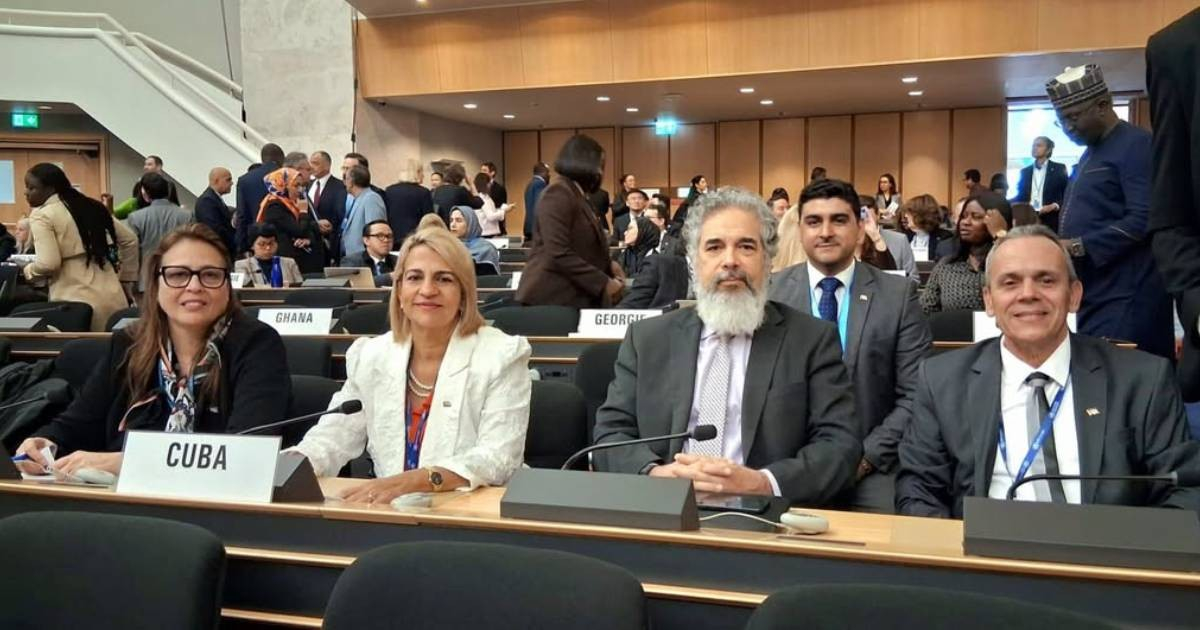
The World Health Organization (WHO) has named Cuba as one of the 17 members of the General Committee for the 79th World Health Assembly, taking place in Geneva, Switzerland, from May 18 to 23, 2026.
This announcement was made by Cuba's diplomatic mission in Geneva via their social media channels. They described the appointment as a "recognition of the resilience of the Cuban health system despite the harsh intensification of the U.S. blockade and energy siege."
The decision is strikingly ironic, given that Cuba's Minister of Public Health, José Ángel Portal Miranda, acknowledged in February 2026 to the Associated Press that the island's healthcare system was "on the brink of collapse."
Earlier in July 2025, the same official had informed the National Assembly about a "historic structural crisis" in the health sector, where only 30% of essential medications were available.
Current statistics corroborate this grim outlook: By April 2026, 461 out of 651 essential drugs were out of stock in Cuban state pharmacies, and over 96,000 patients were awaiting surgeries, including more than 11,000 children.
Crisis Deepens in Cuban Hospitals
Cuban hospitals have been grappling with power outages lasting up to 20 hours daily, forcing them to limit services to intensive care and emergencies.
An estimated five million individuals with chronic illnesses, such as cancer patients, faced disruptions in their essential treatments as of May 2026.
In response to the severe humanitarian situation, the United Nations launched an emergency plan in March 2026, valued at $94.1 million, aiming to aid two million Cubans across 63 municipalities in eight provinces.
Yet, by mid-May, this initiative was underfunded by more than $60 million, receiving less than a third of the required resources.
Controversial Appointment Highlights UN System Flaws
The General Committee of the World Health Assembly is an internal procedural body distinct from the WHO's permanent Executive Board, tasked with coordinating the agenda, reviewing procedural issues, and advising on the conduct of the sessions.
This appointment echoes past contentious decisions within the United Nations system: In October 2020, Cuba was elected to the UN Human Rights Council with 88% of the votes, sparking formal protests from 85 civil society organizations that criticized the regional group nomination system for stifling genuine competition.
While the Cuban regime attributes the healthcare collapse to the U.S. embargo, analysts and independent organizations point to decades of mismanagement, corruption, and inadequate infrastructure investment as the root causes of the crisis.
The WHO's Director-General, Tedros Adhanom Ghebreyesus, described the healthcare situation in Cuba as "deeply concerning" in March, highlighting how the energy crisis directly undermines the delivery of health services.
Understanding the Healthcare Crisis in Cuba
What role will Cuba play in the World Health Assembly?
Cuba has been selected as a member of the General Committee, which coordinates the agenda, examines procedural issues, and advises on the development of the Assembly's work.
How severe is the healthcare crisis in Cuba?
The healthcare crisis in Cuba is severe, with a shortage of essential medications, power outages affecting hospital operations, and millions facing treatment disruptions.
What has the UN done in response to Cuba's crisis?
The United Nations initiated a $94.1 million emergency plan in March 2026 to assist two million Cubans, though it remains significantly underfunded.