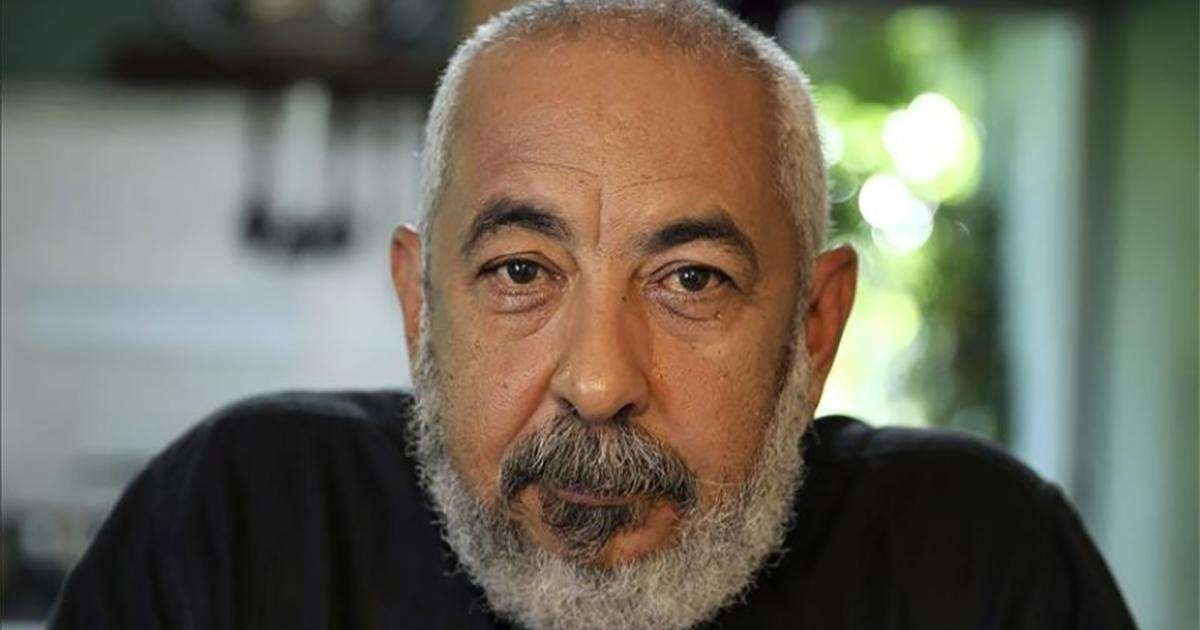
Cuban author Leonardo Padura captivated a full audience at the Buenos Aires International Book Fair on Saturday with the unveiling of his latest novel, "Morir en la arena." During the event, he emphasized the urgent need for transformation within Cuba.
Padura articulated that life in Cuba has turned "bitter," and the country teeters on the brink of catastrophe, potentially facing a humanitarian crisis, which he attributed to the ongoing "energy blockade."
"All scenarios are on the table right now. The truth is that Cuba needs change, not because Trump says so, but because Cubans require social, political, and economic reforms of every kind. Cubans deserve a better life, and these migration waves must come to a halt," stated the intellectual, noting that nearly 2 million people, predominantly young professionals, have left Cuba since the pandemic.
To illustrate the dire situation on the island, he shared a personal anecdote: his 98-year-old mother receives a pension of 1,500 Cuban pesos, while 30 eggs cost 3,000 pesos in the market.
"How could this elderly woman survive without a little faith, which in Cuba means having 'family abroad'—my sister who lives in Miami—and some inner faith, which is my wife and myself?" he pondered, as reported by Infobae.
This harsh reality serves as the backdrop for "Morir en la arena" (Tusquets Publishing, 2025), which Padura described as his most sorrowful novel—a "radiograph" of the past 33 years in Cuba.
The Narrative of "Morir en la arena"
The book follows Rodolfo, a newly retired man who discovers that his brother, who murdered their father decades ago, will be released from prison due to a terminal illness.
"The purpose of this novel was to discuss the fate of my generation, people my age who retire and find themselves in extreme vulnerability, despite having been professionals and educated all their lives," he explained in an interview with Clarín.
Inspired by a real parricide that Padura closely knew, the novel unfolds in two narrative timelines: Rodolfo's present and a past beginning in the 1960s, with four main characters and their children as the generational context.
Padura's Commitment to Cuba
On his decision to remain in Cuba, Padura was unequivocal: "I'm still there and will remain until I'm expelled from the city, or I can no longer endure it or have to leave. But for now, no one expels me, and I'm not leaving. I have a strong sense of belonging that dictates my staying."
This stance has drawn criticism from the exile community. In January, writer Zoé Valdés accused him of being a "regime enforcer" at the Derecha Fest in Mar del Plata.
In April, Padura penned an article in El País titled "What's Going to Happen in Cuba?" where he called for structural changes amid Cuba's most severe crisis in decades.
As a preview, the author confirmed that his next book will revisit detective Mario Conde, the character that brought him international acclaim.
FAQs on Leonardo Padura and Cuba's Need for Change
What is Leonardo Padura's new novel about?
"Morir en la arena" follows Rodolfo, a retired man who learns about his brother's release from prison due to a terminal illness. The novel explores themes of generational fate and vulnerability.
Why does Padura believe Cuba needs change?
Padura argues that Cuba requires social, political, and economic reforms to improve living conditions and stop mass migration, independent of external pressures like those from Trump.
How has Padura been criticized for his stance on Cuba?
Padura has faced criticism from the Cuban exile community, with accusations of being complicit with the regime, as voiced by writer Zoé Valdés.