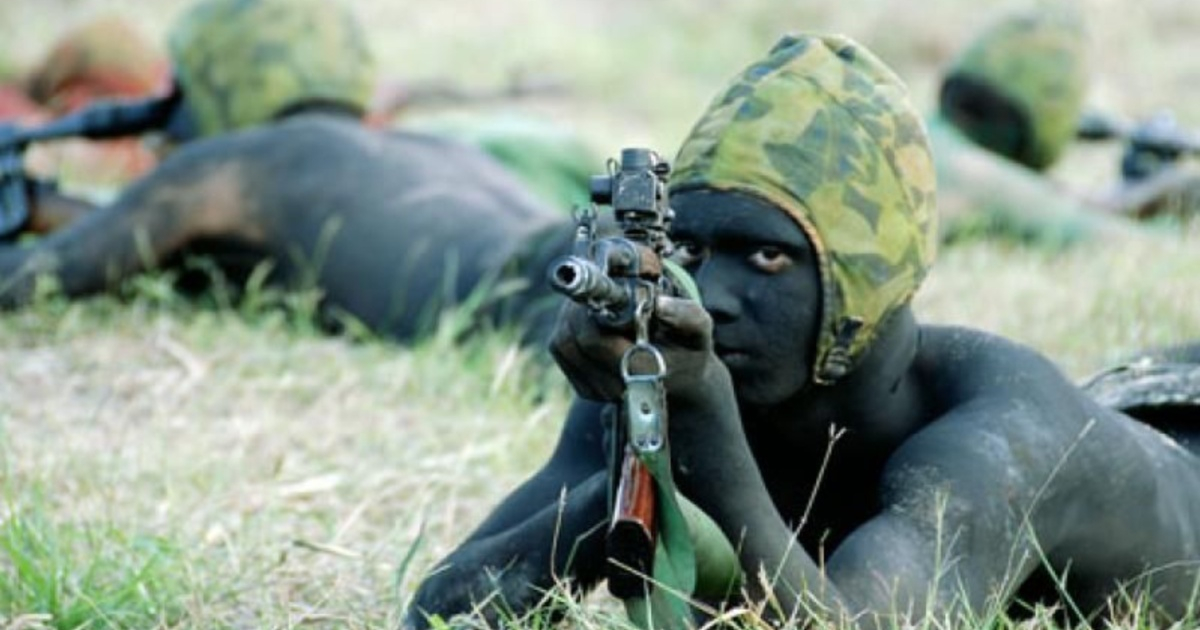
In a recent statement to the Associated Press, Cuba's envoy to the United Nations, Ernesto Soberón Guzmán, declared that the nation is braced to respond militarily if the United States initiates an attack. He also firmly rejected any ultimatums from Washington demanding the release of political prisoners as a condition for ongoing diplomatic talks.
"We're aware of what's happening globally, in our own region, and in the Middle East, so we're not naive," the diplomat asserted. He underscored that if a military confrontation arises, "we are prepared to retaliate."
This announcement comes amidst the first high-level direct talks between Cuba and the U.S. in ten years, which commenced on April 10 when a U.S. delegation discreetly arrived in Havana.
The discussions involved the participation of a U.S. Deputy Secretary of State and a Cuban Deputy Foreign Minister. According to reports from USA Today and Axios, the United States set a two-week deadline—expiring this Friday—for Cuba to release prominent political prisoners, including artist Luis Manuel Otero Alcántara and rapper Maykel Osorbo, who have been detained since the protests on July 11, 2021.
The State Department's warning was explicit: "The Cuban regime must cease its stalling tactics during direct talks. They have a short window to come to an agreement."
Soberón Guzmán dismissed this demand with equal firmness: "We have our own legal system, just as the U.S. has theirs. Both nations need to respect each other's internal matters."
Military Readiness Amid Energy Crisis
The backdrop to this tension is an unprecedented energy crisis on the island. The capture of Nicolás Maduro by U.S. forces in January 2026 slashed Venezuela's crude oil exports to Cuba by 80 to 90%, and a Trump executive order on January 29 imposed secondary tariffs on countries exporting oil to Cuba, leading Mexico to halt Pemex shipments.
Cuba requires between 90,000 and 110,000 barrels daily but produces merely around 40,000 internally, resulting in blackouts exceeding 40 hours in some areas.
Within this economic stranglehold, the regime adopts a dual strategy: maintaining diplomatic dialogue while ramping up military preparedness.
The National Defense Council, led by Raúl Castro, on January 18 approved plans for transitioning to a "State of War," and Havana declared 2026 as the "Year of Defense Preparation," conducting military exercises every Saturday under a "people's war" doctrine.
Díaz-Canel himself described the April 10 meeting as "respectful and professional" and in a "very preliminary phase," though he also cautioned that military intervention would be met with guerrilla resistance and "massive losses" for any aggressor.
Compensations and Diplomatic Standoff
Among the issues acknowledged by Soberón Guzmán as part of the negotiations are compensations to Cuban-Americans for properties seized since 1959, albeit he tied any agreement to a reciprocal easing of the embargo: "It's not just this claim but also our claim because the embargo has an economic impact. This is a two-way street."
Cuba released 52 prisoners in March 2026 and another 2,010 in early April as part of the dialogues but refuses to accept formal conditions concerning high-profile detainees, leaving the negotiations at a critical juncture just as the U.S. ultimatum approaches its deadline.
Understanding the U.S.-Cuba Diplomatic Tensions
What triggered the current diplomatic tensions between the U.S. and Cuba?
The tensions stem from the U.S. demanding the release of political prisoners in Cuba as a condition for ongoing diplomatic talks, which Cuba has rejected, coupled with a severe energy crisis on the island.
How is the energy crisis affecting Cuba's current situation?
Cuba is facing significant energy shortages due to reduced oil imports following the capture of Nicolás Maduro and U.S. tariffs on oil-exporting countries to Cuba, leading to extensive blackouts.
What are the U.S. demands regarding political prisoners in Cuba?
The U.S. has set a deadline for Cuba to release high-profile political prisoners like Luis Manuel Otero Alcántara and Maykel Osorbo, which Cuba has not agreed to.