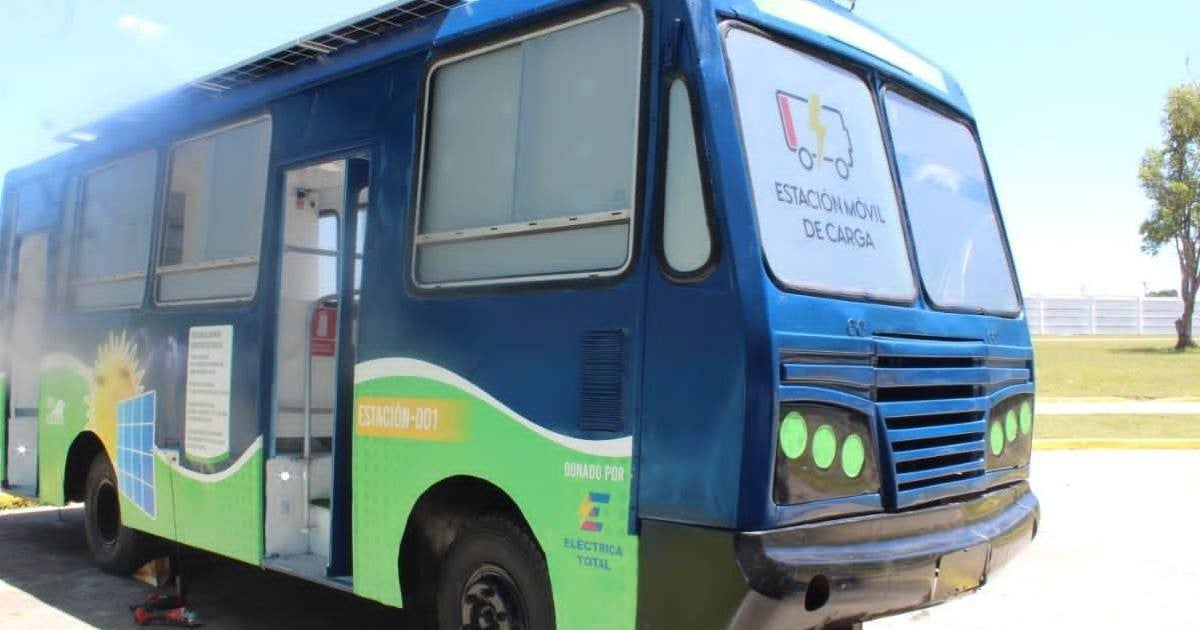
In a bold step toward sustainable energy solutions, a bus outfitted with solar panels and converted into a mobile electric charging station was showcased during the opening of the inaugural Sustainable Energy Fair 2026. This event kicked off on Thursday at the Science and Technology Park in Villa Clara.
The event, hosted by the National Office for Energy Control and Use (Onure) and reported by state broadcaster CMHW, brought together experts, researchers, and both state-owned and private enterprises dedicated to renewable energy sources.
Named ESTACIÓN-001 and painted in blue and green, the vehicle was donated by the private company Eléctrica Total, which is based in the municipality of Ranchuelo. The bus, equipped with solar panels on its roof, can independently charge electric vehicles without relying on the National Electric System.
The Facebook page "Energy Today" hailed this initiative as a significant stride toward a more sustainable and environmentally aware future.
Energy and Transport Challenges Persist
The presentation comes amid an unprecedented energy and transportation crisis, characterized by frequent collapses of the National Electric System and daily power outages exceeding 20 hours in various provinces.
Public transportation offers little respite. Official figures from January 2026 indicate that it only meets 42% of planned targets, with bus production plummeting from 473 units in 2019 to a mere 12 projected for this year, marking a staggering 97.5% decline.
Renewable Energy Efforts Gaining Ground
During the inaugural session, Armando Hernández Pedroso, director of Onure in Villa Clara, noted that the region has installed five megawatts in the state sector across 185 entities, and 5.5 megawatts generated by 214 private entities.
The private microenterprise Eléctrica Total had previously made a similar move on April 5, inaugurating the province's first "solinera" in the Virginia district of Santa Clara. This energy service station boasts 30 kilowatts of power, 60 kilowatts of storage, and 56 solar panels, capable of servicing six vehicles and 52 cooking appliances simultaneously.
Exploring Diverse Renewable Solutions
The fair also served as a platform for discussions on biomass, biogas, and university projects related to energy transition. Provincial leaders, including Susely Morfa González, the First Secretary of the Party in Villa Clara, and Milaxy Sánchez Armas, the governor, toured the booths of state companies like INPUD, SAREX, and the textile manufacturer Desembarco del Granma, according to sources.
The energy crisis has worsened following the suspension of Venezuelan oil shipments since January and the halt of Mexican oil exports due to pressure from Trump administration sanctions, driving the pursuit of decentralized solutions like those showcased at this fair.
Last week, Guantánamo hosted the first business meeting on renewable energy sources in the province, gathering about 20 microenterprises, cooperatives, and self-employed workers seeking solutions amid the collapse of the National Electric System.
Additionally, a local development project aims to introduce electric tricycles for collecting solid waste in Guantánamo, where the accumulation of garbage on the streets has become a persistent concern for residents.
Understanding Cuba's Energy and Transport Crisis
What is the significance of the solar-powered bus in Villa Clara?
The solar-powered bus represents a significant step towards sustainable energy solutions, offering an independent electric vehicle charging option amid Cuba's energy crisis.
How has the public transportation system been affected in Cuba?
Cuba's public transportation system is struggling, meeting only 42% of its planned targets with a dramatic decline in bus production, exacerbating the transportation crisis.
What are the current challenges faced by Cuba's energy sector?
Cuba's energy sector faces severe challenges, including frequent power outages exceeding 20 hours daily in some regions and a halt in oil shipments from Venezuela and Mexico.