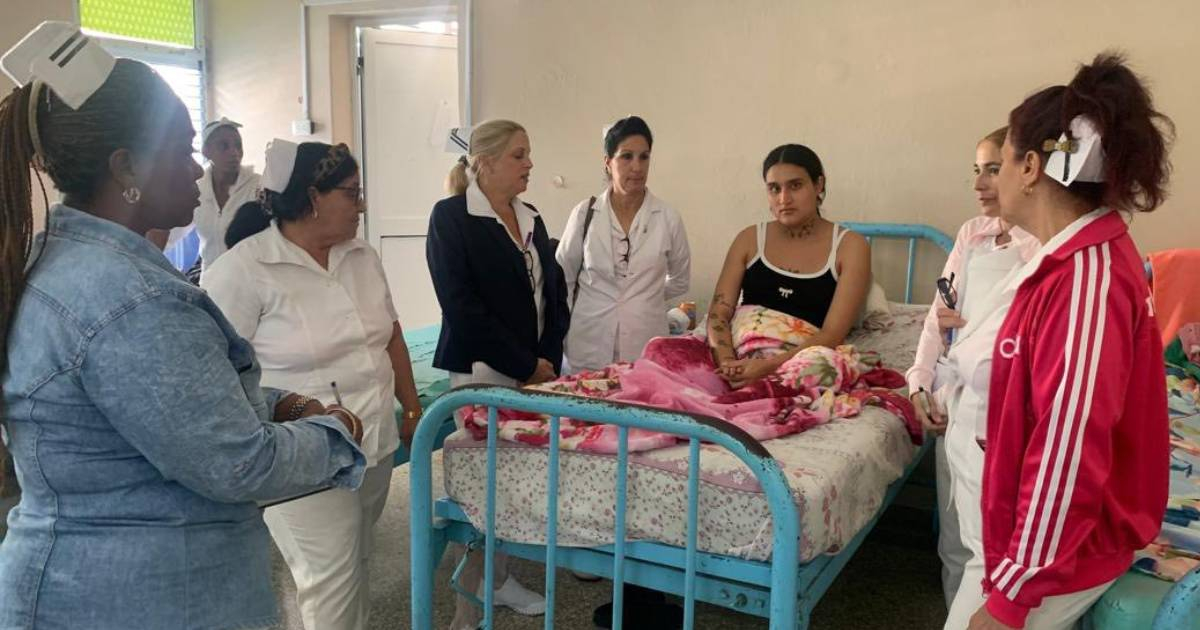
The ongoing crisis in Cuba has now caught the attention of the international community. The World Health Organization (WHO) has sounded the alarm, declaring the health situation on the island as "deeply concerning" amidst chronic power outages, fuel shortages, and a healthcare system under severe strain.
Tedros Adhanom Ghebreyesus, the director-general of the WHO, emphasized that health should not fall victim to "geopolitical issues, energy blockades, and electricity cuts." This statement reflects the harsh reality faced by countless Cuban families: hospitals struggling to provide essential care.
"Reports indicate that Cuban hospitals are struggling to maintain emergency and intensive care services," Ghebreyesus noted on social media platform X.
He further added, "Cuba's hospitals, clinics, and ambulances are crucial now more than ever and must receive the support needed to continue their life-saving work."
Power Outages: A Daily Challenge
Power outages have become a daily occurrence rather than an exception in Cuba. In some areas, these blackouts can last up to 20 hours a day, severely impacting hospitals, ambulance services, and essential operations.
Delayed Medical Procedures and Increased Health Risks
The repercussions are dire. The WHO reports that thousands of surgeries have been postponed recently. Cancer patients, expectant mothers, and critically ill individuals face heightened risks as medical equipment struggles to operate reliably, and the cold chain necessary for vaccines and medications is compromised.
Fuel Shortages and Their Widespread Impact
This isn't an isolated issue. Since early 2026, fuel scarcity has crippled key sectors across the nation. The lack of sufficient oil not only darkens the streets but also hampers transportation, leads to garbage accumulation, and makes accessing medical facilities even more challenging.
The healthcare system, once heralded as a cornerstone of the Cuban model, now teeters on the brink. Recent reports reveal hospitals have been forced to halt surgeries and function under perpetual emergency conditions.
The WHO's warning underscores the human toll of this crisis. It's not merely about numbers or infrastructure—it's about lives at risk, interrupted treatments, and families living with the anxiety of not knowing if there will be electricity when it's most critical.
Meanwhile, the WHO has called for essential support to ensure that healthcare services in Cuba can continue their vital work. On an island where every power outage could mean the difference between life and death, the crisis has transcended economic and energy concerns, evolving into a full-blown humanitarian emergency.
Understanding Cuba's Health Crisis
What has the WHO said about Cuba's health situation?
The WHO has described the health situation in Cuba as "deeply concerning," highlighting issues like prolonged power outages and a strained healthcare system.
How are power outages affecting hospitals in Cuba?
Power outages, lasting up to 20 hours in some areas, are severely impacting hospital operations, including emergency and intensive care services.
What are the broader implications of the fuel shortage in Cuba?
The fuel shortage has led to reduced transportation, garbage accumulation, and difficulties in reaching medical facilities, exacerbating the crisis.