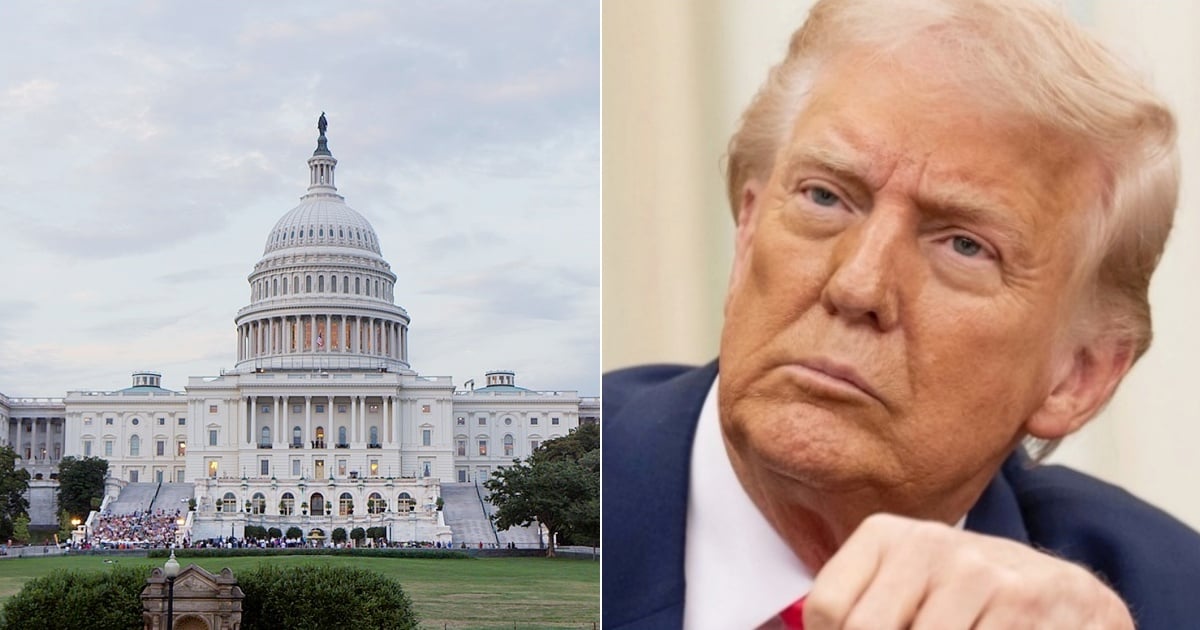
The United States government has officially entered its first shutdown in nearly seven years. The impasse between Democrats and Republicans over the fiscal 2026 budget has led to a governmental paralysis, threatening tangible consequences for millions across the nation. As of the first minute on Wednesday, federal operations have been left unfunded, placing the administration in a state of partial shutdown. The White House has pointed fingers at the Democrats for this closure.
Despite efforts, Congress failed to pass a temporary funding measure in time that would have kept essential services running amid ongoing budget negotiations. The crux of the dispute lies in the health subsidies and spending cuts driven by President Donald Trump, who, during his second term, has aggressively pursued a reduction in government size. “Only the president has the power to do this. We know he calls the shots here,” criticized Senate Democratic Leader Chuck Schumer. Meanwhile, Trump has chosen to escalate the conflict, mockingly posting a video targeting Democratic leaders and declaring, “They lost the elections by a landslide and they won’t change.”
Understanding the Impact of a Government Shutdown
When the federal government runs out of funding, agencies must temporarily halt non-essential operations. This scenario leads to unpaid furloughs for hundreds of thousands of employees, suspension of public services, and widespread disruptions. During the longest shutdown in U.S. history from 2018-2019 under Trump, 340,000 workers were furloughed while another 460,000 continued working without pay until the shutdown ended. The current situation might be even more severe, with the White House Office of Management and Budget suggesting not only furloughs but permanent job cuts.
“We can do things during the shutdown that are irreversible, bad, and irreversible for them [the Democrats], like leaving many people jobless,” threatened Trump.
Which Services are Affected and Which Remain Operational?
Essential services such as border patrol, air traffic controllers, the armed forces, and postal services will continue to operate, though employees deemed "excepted" will work without pay until further notice. Services most vulnerable to the shutdown include:
- Food assistance programs
- Federally-funded preschool education
- Student loan issuance
- Food inspections
- Operation of national parks
- Renewal of health benefits and card issuance
Payments for veterans, Medicare, and Social Security will continue as they are funded through independent channels, though the administration of these benefits might face delays.
Personal Impacts of the Shutdown
If you are a federal employee, you may face weeks without a paycheck, even if deemed essential. Those relying on federal benefits such as Medicaid, SNAP, or student loans could experience delays, interruptions, or temporary loss of access. Workers in tourism, education, or public health sectors might see reduced workloads or income. Communities heavily reliant on federal government support will feel the effects even more strongly.
The Uneven Impact: Vulnerable Communities Hit Hardest
The shutdown doesn't affect everyone equally. Communities with high federal employment, or those with larger proportions of seniors and low-income populations, will suffer most. The Department of Education has warned that a prolonged delay could drastically cut cash flow to school districts, universities, and vocational rehabilitation agencies. Meanwhile, the FDA, responsible for food safety, would be limited to emergency responses only in its disease prevention initiatives.
The Smithsonian Institution museums, including the National Zoo, have shut their doors, and plans for hiring and training new air traffic controllers have been suspended, potentially affecting air traffic in the coming weeks.
Beyond Budget Battles: A Political Standoff
Analysts argue this is more than just another budget confrontation. At stake are the political and philosophical priorities of two opposing government visions. Democrats are fighting to preserve health subsidies and prevent cuts to Medicaid and scientific programs, while Republicans intend to prolong the standoff to force new concessions.
“We will not support a Republican partisan spending bill that continues to dismantle the healthcare of ordinary Americans,” asserted House Democratic Leader Hakeem Jeffries. The situation is tense even within the Democratic Party, where leaders face internal pressure to stand firm against what many view as a war of attrition by Trump.
Senator Gary Peters noted, “A lot can happen here in a short amount of time.”
Weakened Workforce and Potential Layoffs Ahead
The Trump administration has significantly reduced the size of the federal apparatus since returning to power. Under the guise of government efficiency, entire departments have been eliminated, and with this new shutdown, the threat extends to thousands more employees.
“A shutdown will be handled appropriately, but it could be avoided if Senate Democrats accepted the House-passed bill,” stated Trump’s budget director Russ Vought, as reported by the BBC. However, from the Democratic perspective, there seems to be no willingness to negotiate, only to impose.
“We have less than a day to solve this, and Trump is trolling on the Internet like a 10-year-old,” lamented Schumer.
Understanding the U.S. Government Shutdown
What leads to a government shutdown in the U.S.?
A government shutdown occurs when Congress fails to pass sufficient appropriation bills or continuing resolutions to fund federal government operations and agencies.
Which federal services are affected during a shutdown?
During a shutdown, non-essential federal services are halted, affecting programs like food assistance, student loans, and national parks, while essential services like border patrol and air traffic control continue.
How can a government shutdown impact federal employees?
Federal employees may face unpaid furloughs or may work without pay if deemed essential, leading to financial hardships if the shutdown is prolonged.