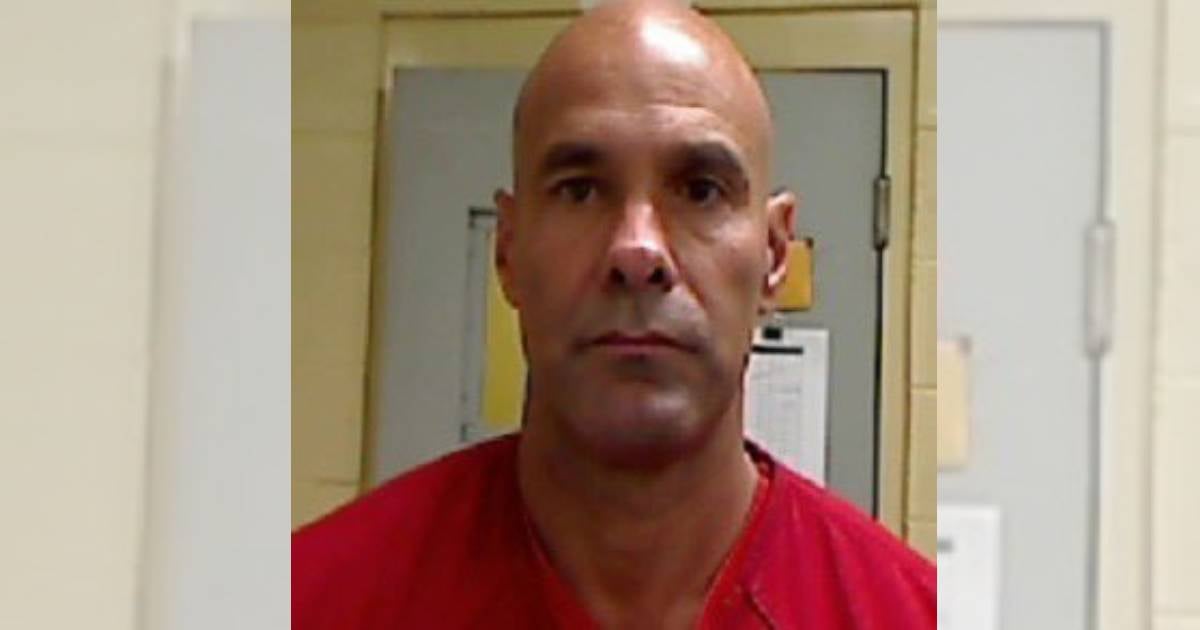
A Cuban national, Chamil Machado González, has been apprehended by U.S. Immigration and Customs Enforcement (ICE) agents in Los Angeles. He is accused of being affiliated with the notorious Sureños-13 gang and holds a substantial criminal history, including charges of vehicle theft, kidnapping, threats, and other violent crimes in Riverside, California.
According to an official statement, Machado González was part of a group of undocumented immigrants considered a significant threat to public safety in the United States. His criminal record includes convictions for theft, receiving stolen property, and making threats intended to terrorize, linking him directly to gang-related violence in Southern California.
The Influence of Sureños-13
The Sureños-13 gang, also referred to as Sur-13, originated in California and was initially composed of Mexican and Central American members. Over time, it has spread across several states, becoming one of the most feared organizations due to its involvement in high-impact crimes like drug trafficking, kidnappings, and homicides, as well as its connections to international cartels. The presence of a Cuban member highlights the growing concern among U.S. authorities regarding the scope of these networks and the diverse nationalities involved.
Challenges in Deportation
While ICE prioritizes the removal of foreign nationals with criminal backgrounds, deportation can be complicated, particularly because Cuba often refuses to accept its citizens who have been convicted of crimes in the United States. This refusal creates significant hurdles in the deportation process.
In such scenarios, Washington has resorted to relocating detainees to third countries, a practice that has sparked diplomatic tensions and allegations of inadequate legal protections.
Political Tensions and Law Enforcement
The arrest comes amid a political clash between ICE and California Governor Gavin Newsom, who recently signed the "No Secret Police Act." According to ICE, this law restricts identity protections for its agents, despite a 1000% increase in assaults against them in recent months.
"Governor Newsom is fueling division and endangering our law enforcement personnel," stated Tricia McLaughlin, Deputy Secretary of Homeland Security. The agency has affirmed it will persist with its operations, targeting gangs such as MS-13, Tren de Aragua, and the Sureños-13.
Pattern of Cuban Arrests with Criminal Backgrounds
The case of Machado González is not unique. Recently, ICE arrested another Cuban, Walter Ramírez, in San Diego, who was convicted of rape, sexual assault of minors, and domestic violence.
As with this latest arrest, authorities have warned that these individuals have extensive records of severe crimes and pose an immediate threat to public safety.
Understanding ICE Operations Against Gangs
What is the Sureños-13 gang?
Sureños-13, also known as Sur-13, is a gang that originated in California, initially composed of Mexican and Central American members. It has expanded across the U.S., known for high-impact crimes and connections to international cartels.
Why is deportation of criminal nationals from Cuba challenging?
Deportation is challenging because Cuba often refuses to accept its nationals who have been convicted of crimes in the United States, complicating the process for ICE.
How has ICE responded to increasing assaults on its agents?
ICE has continued its operations against gangs and issued public statements criticizing laws that limit protections for its agents, citing a significant rise in assaults.