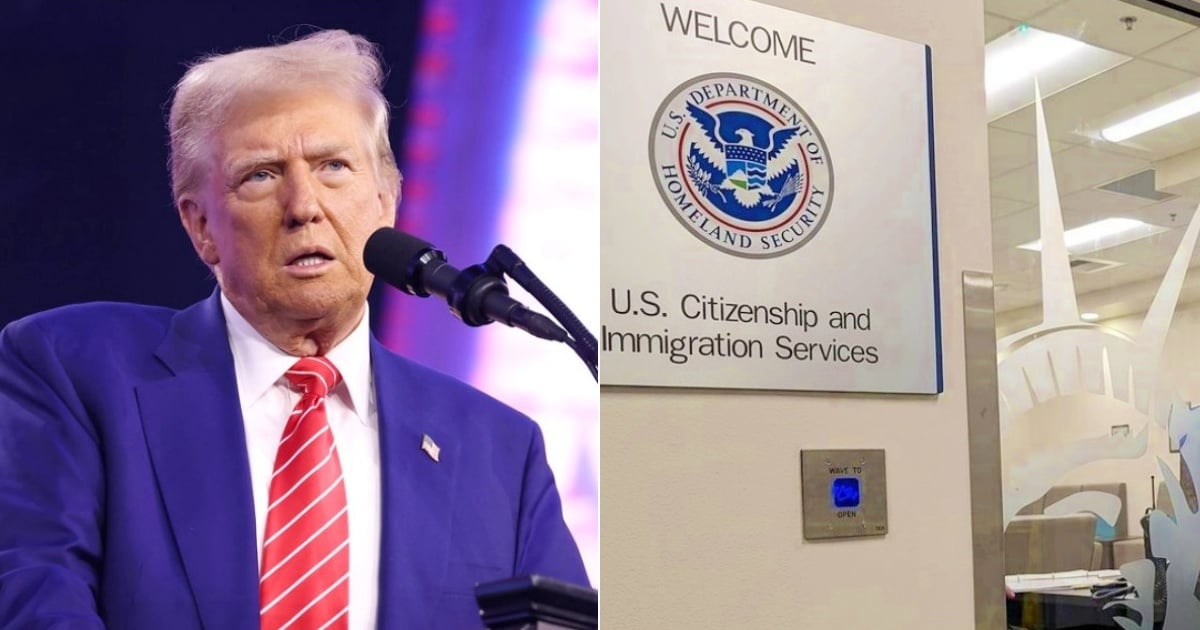
The United States Citizenship and Immigration Services (USCIS) has crafted a comprehensive plan detailing how it intends to enforce new limitations on birthright citizenship, despite a federal court ruling temporarily halting its implementation. The document, dated July 25, 2025, and reported by local media, clarifies who may or may not be recognized as a U.S. citizen at birth should the courts eventually permit the measure.
This proposal signifies a significant shift in U.S. immigration policy, foreseeing a future where numerous children born on American soil might not automatically be granted citizenship—a practice that has been standard for over a century under the 14th Amendment of the Constitution.
The Core of USCIS's Citizenship Plan
The USCIS plan, disclosed publicly even with the current legal suspension, hinges on two primary criteria to exclude certain newborns from automatic citizenship: illegal presence and legal, yet temporary presence. These classifications dictate whether parents meet the necessary conditions to pass U.S. citizenship to their offspring.
Defining "Illegal Presence"
According to the Immigration and Nationality Act (INA), the USCIS defines an individual as illegally present if they:
- Remain in the U.S. beyond the authorized period set by the Attorney General.
- Entered without formal admission or a special entry permit (parole).
However, not all individuals without regular immigration status are automatically deemed illegal. For instance, those admitted under humanitarian parole lack formal legal status but are not considered illegally present.
Understanding "Legal, but Temporary Presence"
This concept lacks a specific definition in U.S. immigration law, prompting USCIS to create an ad hoc interpretation. As per the plan, "Legal, but temporary presence" refers to government-authorized stays that are limited in duration or require periodic renewal. This includes:
- Non-immigrant visa holders (tourism, study, work).
- Temporary Protected Status (TPS) beneficiaries.
- Visa Waiver Program participants.
- Humanitarian parolees.
- Citizens of Micronesia, Marshall Islands, and Palau under special agreements.
- Life Act and Family Unity beneficiaries.
- Individuals with deferred action (like DACA) or Deferred Enforced Departure (DED).
- Recipients of deportation suspension or voluntary departure.
Conversely, those with more permanent presence include:
- Legal permanent residents (green card holders).
- Refugee or asylee status holders.
- Conditional residents.
- Non-citizen U.S. nationals (such as American Samoans).
- Indigenous citizens under INA section 289.
Implications for Children of Temporary Status Parents
One of the most contentious aspects of the plan is its approach to children born in the U.S. to parents with legal, but non-permanent status. The document states, "If both parents have a legal, temporary status and neither is a citizen nor a permanent resident, the child will not be considered a U.S. citizen at birth." This applies to children of international students, temporary visa workers, tourists, and similar cases. Under this interpretation, these children would not automatically gain citizenship.
Protection Measures for Affected Children
Recognizing the potential impact, the USCIS suggests a registration system akin to that used for children of foreign diplomats, allowing newborns to acquire the same status as one of their parents, though not citizenship. Until this system is established, the Department of Homeland Security (DHS) has proposed delaying any immigration enforcement actions against these children to prevent deportation or legal limbo.
Origins of the Initiative
The initiative stems from January 20, 2025, when President Donald Trump signed the Executive Order "Protecting the Meaning and Value of American Citizenship." This directive aims to limit the scope of automatic citizenship by birth, arguing that not all born on U.S. soil are "subject to the jurisdiction" of the country, as required by the 14th Amendment. Under the order, children will not be considered citizens at birth if:
- Their mother was in an irregular immigration status during childbirth, and their father is neither a citizen nor a legal permanent resident.
- Their mother had a legal but temporary presence, like a tourist or student visa, and the father is neither a citizen nor a permanent resident.
Though this interpretation is highly controversial and challenged by legal experts and civil rights organizations, the government is preparing for its potential enforcement.
Constitutional Debate: Reinterpretation or Disruption?
The Trump administration's proposal challenges the longstanding interpretation of the 14th Amendment, which for over 150 years has ensured citizenship to anyone born on U.S. soil regardless of parental status. The constitutional clause states, "All persons born or naturalized in the United States, and subject to its jurisdiction, are citizens of the United States." While multiple judicial precedents have upheld this interpretation, the phrase "subject to its jurisdiction" is now at the heart of a legal dispute that may ultimately be resolved by the Supreme Court.
Conclusion: Citizenship may no longer be automatic, at least in theory. Although the measure currently lacks legal standing, the detailed operational plan by USCIS suggests the administration's determination to proceed with this reinterpretation of birthright citizenship if granted judicial approval.
Frequently Asked Questions on Birthright Citizenship Changes
What changes are being proposed for birthright citizenship in the U.S.?
The proposed changes aim to restrict automatic citizenship for children born in the U.S. to parents with illegal or temporary legal status, requiring at least one parent to be a citizen or permanent resident for the child to gain citizenship at birth.
How does "illegal presence" affect birthright citizenship?
Under the proposed plan, children born to parents considered illegally present (overstaying visas or entering without formal admission) will not automatically receive citizenship at birth.
What is the "legal, but temporary presence" and its impact?
This refers to government-authorized stays that are limited or require renewal. Children born to parents with such status (like student or tourist visas) will not automatically become citizens under the proposed plan.
What protections exist for children affected by these changes?
The USCIS proposes a registration system for such children, allowing them to acquire the same status as one parent, albeit without citizenship. The DHS also suggests pausing immigration enforcement actions against these children.