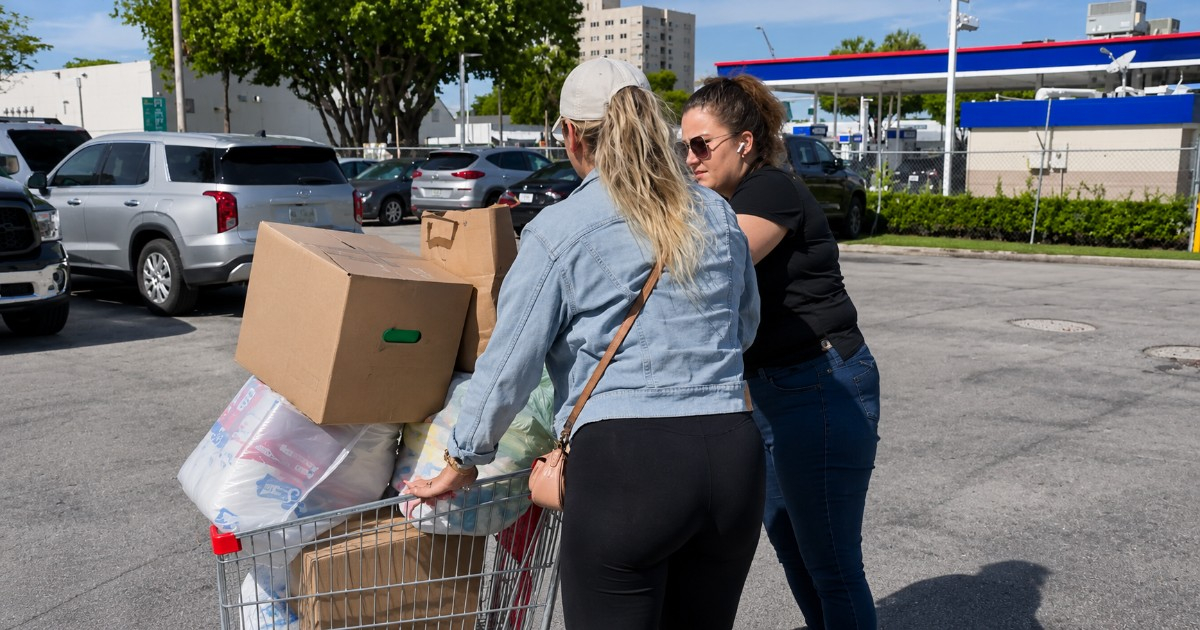
With the gradual dismantling of the ration book system in Cuba, Cubans residing in Miami are increasingly concerned about the potential financial burden they may have to shoulder. This shift could lead to heightened expenses for those in the United States as they strive to provide for their families' basic needs on the island.
In a report by journalist Alexis Boentes from Telemundo 51, Cuban immigrants in Hialeah shared their worries about the long-term effects of phasing out the subsidized food distribution system, which has sustained generations under the Cuban regime for over six decades.
Essential items such as coffee, milk, detergent, soap, canned goods, and oil are frequently purchased by these individuals to send to their loved ones, addressing the severe shortages Cuban citizens are facing.
“I guess I’ll have to send even more things over there,” one interviewee remarked, highlighting the looming prospect of increased financial obligations.
The Impact on Vulnerable Cubans
The concern extends beyond the economic strain on those residing in the U.S. to include the plight of Cubans who lack relatives abroad and must rely solely on their local income. Another interviewee pointed out that those receiving external aid have a greater chance of weathering the crisis compared to those without such support.
These accounts also reveal the frustration of individuals who, despite working hard and allocating part of their earnings to help their families, acknowledge that they cannot solve all the daily challenges their relatives face.
“You feel terrible,” lamented one Cuban woman, expressing her sense of helplessness.
Ration Book System Phased Out
The Cuban government is moving forward with the practical elimination of the universal ration system. Out of approximately 12,000 existing bodegas, only 1,913 have been designated to distribute food aid to individuals identified as vulnerable by the authorities.
This change was announced by Marpessa Portal, the General Director of Merchandise Sales at the Ministry of Internal Trade (MINCIN), during the radio program Haciendo Radio on Radio Rebelde.
The new assistance framework targets 883,426 people, roughly 9% of the Cuban population, primarily pensioners and social assistance recipients. However, Cuban sociologist Mayra Espina estimates that over 1.3 million people are vulnerable, far exceeding the official figures acknowledged by the government.
Unfulfilled Promises of Affordable Markets
For the rest of the population, the regime is promoting "neighborhood markets," intended to offer food at lower prices than other stores. Yet, Prime Minister Manuel Marrero Cruz admitted that some of these markets sell goods at prices equal to or higher than other retailers, despite tax breaks and rent exemptions for operators, and the official promise of 15% to 30% discounts.
Simultaneously, Cuban authorities continue to encourage emigrants to invest in island businesses, while many families abroad use part of their earnings to meet their relatives' basic needs.
The Financial Toll on Cuban Emigrants
Beyond food, Cuban Americans in the U.S. face additional expenses when aiding family members. A previous report by Alexis Boentes revealed how power outages in Cuba are draining the resources of Florida’s Cuban expatriates, some of whom have spent thousands on portable power stations, batteries, solar panels, and installation.
Back in June, stories from Cuban immigrants at Miami shipping agencies already illustrated how the crisis had altered the contents of packages sent to Cuba, including charcoal stoves, rechargeable fans, and equipment to cope with prolonged electricity cuts.
Similarly, in May, a Cuban living abroad demonstrated that she spent $308 on basic supplies for her family, excluding meat and shipping costs.
Frequently Asked Questions about the Ration Book Phase-Out in Cuba
How will the dismantling of the ration book system affect Cubans in Miami?
Cubans in Miami may face increased financial obligations to support their families in Cuba, as they will likely need to send more essential goods due to the shortage of subsidized food distribution.
What is the Cuban government's plan regarding the food distribution system?
The Cuban government plans to phase out the universal rationing system, with selected bodegas distributing food aid only to those classified as vulnerable, leaving the rest of the population to rely on neighborhood markets.
Who is considered vulnerable under the new system?
Vulnerable individuals include around 9% of the Cuban population, primarily pensioners and recipients of social assistance, as recognized by the Cuban authorities.