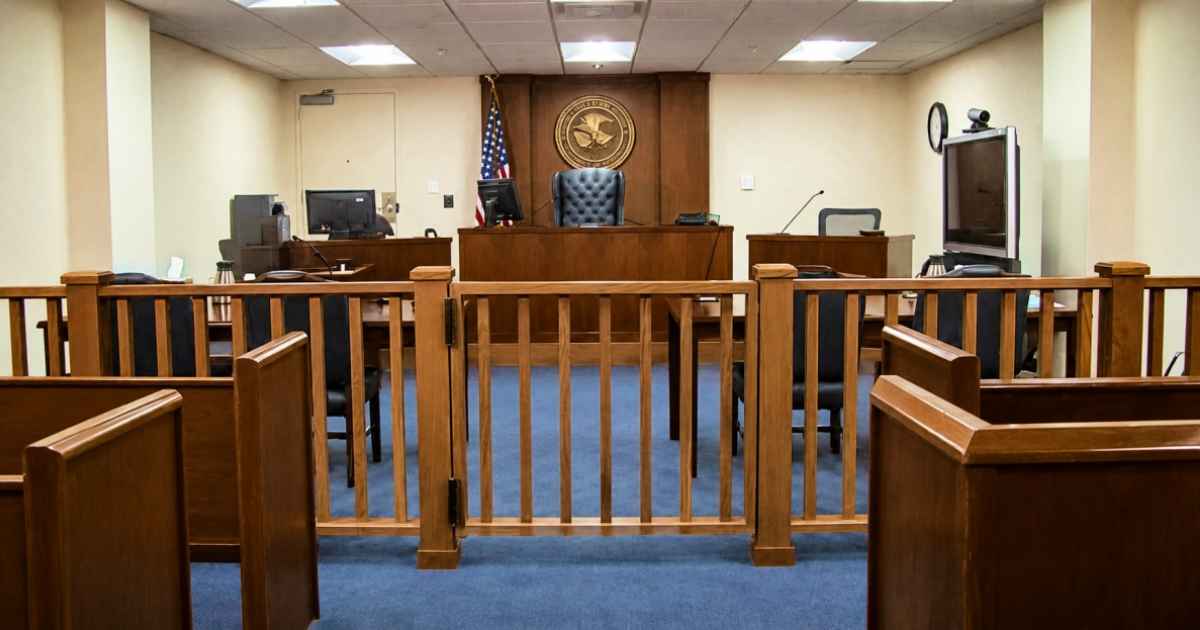
A federal judge in the Western District of Washington has declared the detention of Quemel Tome Cubeñas, a Cuban who fled with his family to the United States as a child to escape persecution, to be unlawful. The judge ordered his release within 24 hours, citing that ICE failed to prove his deportation was likely in the near future.
On November 24, Judge Tiffany M. Cartwright delivered the ruling in the case Tome Cubenas v. Blanche (No. 2:26-cv-03653-TMC). The decision granted the habeas corpus petition filed by Tome Cubeñas and explicitly prohibited ICE from deporting him to any country not listed in his original removal order without prior notification and an opportunity to contest it before an immigration judge.
Tome Cubeñas has been under a deportation order to Cuba since 2015, but due to the Cuban regime's refusal to accept him back, his removal was never executed. This situation is common and has left thousands of Cubans in a state of immigration limbo for years.
On September 10, 2026, ICE detained Tome Cubeñas again after he served a criminal sentence and transferred him to the Northwest ICE Processing Center. According to his account, Deportation Officer Friete Subero informed him that Cuba would not take him back and presented him with two options: Mexico or the Democratic Republic of the Congo.
Fearful of being sent to Africa, Tome Cubeñas initially agreed to Mexico. Officer Subero denied mentioning the Congo, claiming that Tome Cubeñas himself suggested it due to having relatives there.
During a hearing on November 19 in Tacoma, Judge Cartwright dismissed the agent's version. "The court found Subero's testimony that Cubeñas spontaneously proposed Mexico to be not credible," she stated in her ruling. She further noted, "The court believed Cubeñas' explanation that he only accepted Mexico after being told he would otherwise be sent to the Democratic Republic of the Congo."
Once Tome Cubeñas withdrew his consent to go to Mexico, both parties agreed that the country would not accept him without his approval, effectively closing that option.
The judge applied the standard from the Supreme Court's decision in Zadvydas v. Davis (2001), which prohibits indefinite detention when deportation is not "reasonably foreseeable," concluding there was no significant likelihood of Cubeñas being removed to Cuba, Mexico, or any other country in the foreseeable future.
The ruling also required the return of his identity documents—excluding the passport—and work permits. The government had until November 27 to submit a compliance report.
This case is not isolated. On the same day, the Eighth Circuit Court of Appeals had paused an order requiring the government to bring back a Nicaraguan deported to Bangui from the Central African Republic, affecting the situation of 69 Cubans deported to that country on October 21.
In Nevada, two federal judges issued similar orders on behalf of two other detained Cubans, Alfredo Garrido Calzado and Eligio Andrez Gomez Gomez, placing equivalent restrictions against deportations to third countries.
While the Washington ruling is an individual case and does not automatically set a precedent for all Cubans with old deportation orders, it highlights a specific legal avenue: filing a habeas corpus petition based on Zadvydas when ICE cannot demonstrate a real and viable deportation plan.
Immigration attorneys advise against signing any consent documents for transfer to a third country without prior legal advice, as that consent could be crucial in any subsequent litigation.
This case is part of an ever-changing immigration landscape. Stay updated on judicial decisions, ICE policies, and issues impacting the Cuban community in U.S. immigration matters.
Legal Implications of Cuban Detention Cases
What was the basis for the judge's decision to deem the detention illegal?
The judge determined that ICE could not demonstrate that Tome Cubeñas' deportation was achievable in the near future, aligning with the Supreme Court's Zadvydas v. Davis decision, which prohibits indefinite detention when deportation is not "reasonably foreseeable."
What does the ruling mean for other Cubans in similar situations?
While the ruling is specific to Tome Cubeñas, it illustrates a potential legal strategy for others in similar circumstances: filing a habeas corpus petition when ICE cannot prove a viable deportation plan.
What should individuals do before consenting to deportation to a third country?
It is strongly advised to seek legal counsel before signing any consent documents for deportation to a third country, as this consent could significantly impact subsequent legal proceedings.