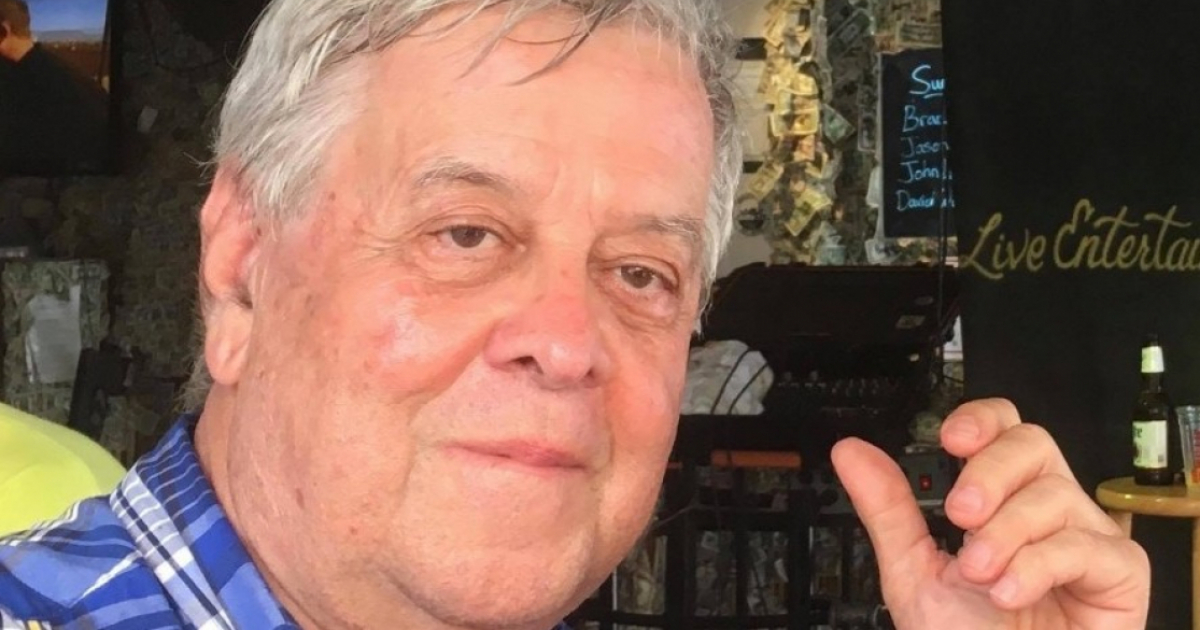
In a revealing interview with El País from Mexico City, Carlos Alzugaray, a former Cuban ambassador now 83, disclosed that the U.S. had reportedly proposed to the Castro family an offer to relocate to Moscow with their wealth if Miguel Díaz-Canel would step down. The Trump administration, according to Alzugaray, chose Raúl Guillermo Rodríguez Castro, Raúl Castro's grandson known as "El Cangrejo," as their point of contact.
Alzugaray, who joined Cuba's Ministry of Foreign Affairs in 1961 as part of the revolution's first generation of diplomats, is seen as someone closely aligned with the regime's establishment, albeit with some internal critiques in recent years. He clarified that these claims about negotiations are his personal interpretation, acknowledging a lack of certainty about the specifics.
"Rubio approaches this with a Miami mindset. In Miami, Cuba isn't viewed as a nation but as the Castros' estate, so negotiating with a Castro was seen as necessary," Alzugaray reasoned for the choice of the grandson as an interlocutor.
Why the Castro Grandson Was Chosen
According to Alzugaray, Washington's strategy gradually eliminated other options: Fidel had passed away, Raúl was retired, and his son Alejandro, who had negotiated with Obama in 2014, was "out of the picture."
This left "Raulito" to step into the role, who, in July 2026, stated to USA Today his openness to negotiate with any U.S. designee, expressing willingness to engage if called upon.
"The proposal was for the Castro family to move to Moscow with their money, allowing them freedom of choice thereafter. They also wanted Díaz-Canel to resign. However, it failed because no Castro family member was willing to surrender the country," the former ambassador asserted.
Secrecy Surrounding the Negotiations
Alzugaray acknowledged the operation's opacity: "Everything was shrouded in secrecy. It's unclear to me if Raulito attended these meetings alone. I've been told recently that he wasn't alone, but accompanied by a brother of his father."
The father in question was the late General Luis Alberto Rodríguez López-Calleja, who led GAESA, the military-corporate conglomerate controlling key sectors of Cuba's economy, until his death in July 2022.
López-Calleja's Death: A Turning Point
For Alzugaray, López-Calleja's demise marked a significant turning point: "When López-Calleja passed, Raúl felt the structure he had built crumbled. He was Díaz-Canel's potential replacement and the most important family member. Fidel's children have no influence."
The former diplomat highlighted that GAESA reported directly to Raúl Castro, not the Armed Forces, due to López-Calleja's familial connections, which Alzugaray believes "disrupted the military's structure."
Conversely, Raúl Guillermo held the rank of colonel in the Ministry of the Interior, involved in his grandfather's personal security but without a formal position in the power hierarchy. Alzugaray openly questioned: "If Raúl dies tomorrow, what support does he have?"
Internal Tensions and the Future Political Landscape
This maneuver to position the grandson contrasts with the institutional approach that distinguished Raúl Castro from his brother Fidel. Elevating a family member over generals and Díaz-Canel fosters internal tensions that, according to the former ambassador, continue to build with no one yet daring to openly challenge them.
Regarding the regime's future, Alzugaray is decisive: "Once Raúl passes away, Díaz-Canel won't endure." He anticipates potential political reforms but warns, "I don't see any group truly committed to democracy. Yet, this will progressively erode the system."
His comments come amid heightened U.S. pressure: Trump recently declared he would "certainly consider" a brief military intervention against Cuba, while Díaz-Canel insists on any engagement being "without pressure, conditions, or questioning of our political system."
Key Insights into Cuba's Political Dynamics
What was the proposal made by the U.S. to the Castro family?
The U.S. allegedly proposed that the Castro family move to Moscow with their wealth if Miguel Díaz-Canel resigned from his position.
Who was the U.S. interlocutor chosen for this proposal?
The interlocutor chosen by the Trump administration was Raúl Guillermo Rodríguez Castro, Raúl Castro's grandson, also known as "El Cangrejo."