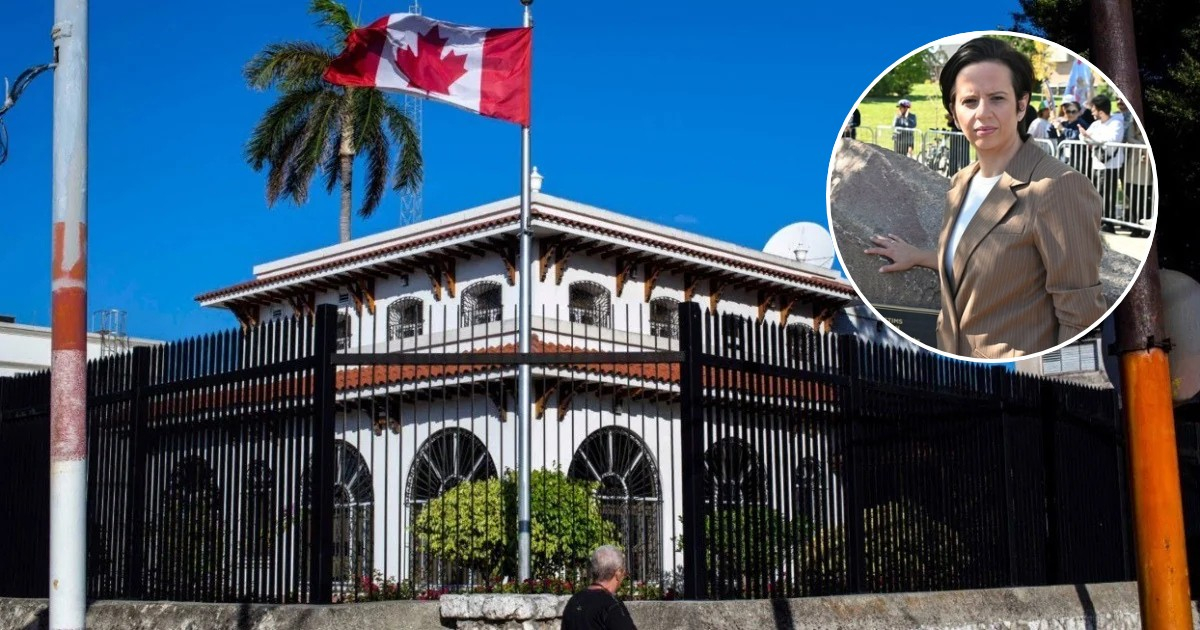
Conservative Canadian MP Melissa Lantsman has submitted two formal inquiries to Canada's House of Commons, demanding clarity on the extent of the so-called Havana Syndrome affecting government employees and their families, including children. She seeks insights into the findings from investigations conducted by Canadian authorities.
Filed on November 18, 2026, the parliamentary motions request comprehensive details from the Canadian government about those impacted, the medical care provided, security measures implemented, and any evidence suggesting deliberate actions behind these incidents.
The responses to both inquiries are due by January 25, 2027, according to official parliamentary records.
Assessing the Impact on Children
In her first inquiry (Q-1698), Lantsman asks for data on how many Canadian officials and their families have reported symptoms resembling Havana Syndrome, broken down by adults and children. She also seeks information on medical evaluations, treatments, and the psychological and educational support provided to affected families.
The MP additionally requests identification of the medical centers, clinics, and research institutions engaged by the government, including contract details and services rendered. She is also interested in the content and timing of government communications with affected officials and their families regarding updates on the situation.
What Did Canada Know in 2017?
The second inquiry (Q-1699) focuses on when the Canadian government first became aware of these incidents impacting its personnel. Lantsman inquires whether any Canadian diplomat alerted the embassy to symptoms among U.S. officials around April 11, 2017, and what the diplomatic response was.
Lantsman demands details on the investigations conducted or funded since 2017, their methodologies, outcomes, and expenses, as well as any changes to the security protocols of affected diplomatic missions. She also seeks information on meetings between Canadian officials and investigative journalist Christo Grozev.
The MP explicitly questions whether the government has concluded that the incidents were intentional acts and if any perpetrators have been identified.
Investigations Into the Origins of Havana Syndrome
The initial reports of Havana Syndrome emerged between late 2016 and 2017, when U.S. and Canadian diplomats stationed in Cuba reported symptoms such as headaches, dizziness, hearing issues, and cognitive difficulties.
In October 2020, a Canadian diplomat claimed his government attempted to conceal these incidents. He reported notifying the Canadian ambassador in Cuba on April 11, 2017, about the afflictions affecting U.S. officials, and that his children experienced symptoms in June of that year. He accused authorities of withholding information about the impact on minors.
The official Canadian report from August 2024 stated that the Ministry of Health conducted general medical assessments on all children aged 12 and under from families stationed in Havana.
A joint investigation in April 2024 by The Insider, Der Spiegel, and the U.S. program 60 Minutes suggested possible involvement of Russian military intelligence in some incidents. Christo Grozev, who participated in this journalistic endeavor, is now a focus of parliamentary interest.
In September of this year, a Canadian newspaper, The Globe and Mail, uncovered alleged secret cooperation between Canadian diplomats and U.S. intelligence agents in Cuba from 2016 to 2018. Canada's Foreign Affairs Ministry denied any spying activities by its officials.
That same month, Canadian Prime Minister Mark Carney acknowledged new information on Havana Syndrome had emerged and committed to reviewing the government's response. An August 2024 official Canadian report indicated that investigations had found no evidence attributing the incidents to malicious foreign actors or identifying a common cause for the symptoms.
In October, former U.S. National Security Advisor John Bolton criticized Washington and Ottawa for inadequate investigation into Russia's potential role and suggested possible Cuban government complicity.
Despite numerous allegations and theories over the years, the involvement of a foreign power in these incidents remains unproven. The Cuban government has persistently denied any involvement.
Understanding the Havana Syndrome and Its Implications
What is Havana Syndrome?
Havana Syndrome refers to a set of medical symptoms experienced by U.S. and Canadian diplomats, believed to be caused by directed energy attacks, though the exact cause remains undetermined.
Who is investigating Havana Syndrome?
Investigations have been conducted by various entities, including the Canadian government, U.S. agencies, and independent journalistic organizations, to determine the origin and cause of Havana Syndrome.
Has any government been held responsible for Havana Syndrome?
As of now, no government has been officially held responsible for Havana Syndrome, and investigations have not conclusively linked the incidents to any foreign power.