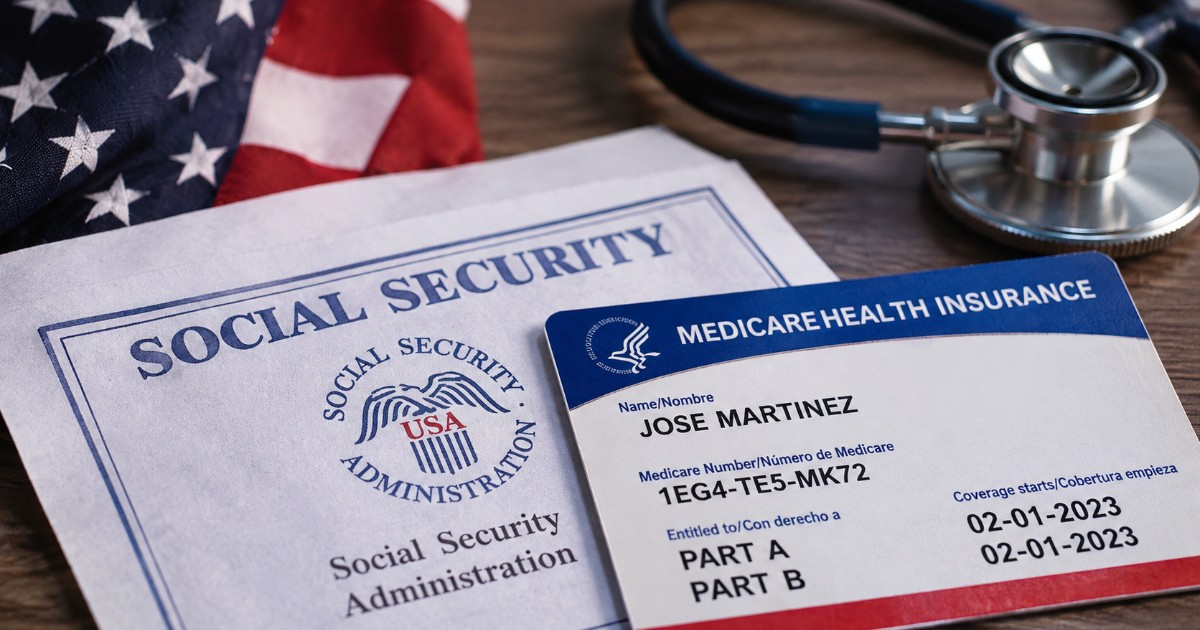
Approximately 300,000 immigrants legally residing in the United States have been notified by the Social Security Administration (SSA) this month that their Medicare benefits may be terminated on February 1, 2027. This warning comes unless they verify their eligibility under a new federal law.
Understanding the New Federal Law
The new restrictions stem from H.R. 1, also known as the "One Big Beautiful Bill Act," enacted on July 4, 2025. This legislation narrows Medicare eligibility to four groups: U.S. citizens or nationals, lawful permanent residents (green card holders), specific Cuban-Haitian entrants, and migrants under Compacts of Free Association agreements.
Excluded from this coverage are refugees, asylees without permanent residency, Temporary Protected Status (TPS) recipients, humanitarian parolees, and trafficking victims, unless they also fall into a protected category.
Impact on the Cuban Community
The Cuban community must pay close attention to this situation, which has essential nuances. Cubans holding a green card or who are naturalized U.S. citizens maintain their eligibility without additional action. Similarly, those classified as "Cuban-Haitian entrants" under section 501(e) of the Refugee Education Assistance Act of 1980 are protected. This includes Cubans admitted under parole with that specific designation, those with pending asylum without an executable final deportation order, and those in removal proceedings without a final order.
However, a significant risk exists for older Cubans in Miami. They may appear in SSA records under outdated statuses, such as asylum or parole, even if they have adjusted to permanent residency or citizenship. If these individuals receive a notice, they must provide updated documentation before the deadline to prevent losing coverage due to a simple record error, not because of ineligibility.
Cubans holding the I-220A form (order of release under ICE supervision) do not meet the new rules' protection criteria based on their immigration status alone.
Deadlines, Required Documentation, and Available Assistance
The Centers for Medicare & Medicaid Services (CMS) have established that recipients of the notice have 60 days from the date of receiving the decision letter to appeal using the SSA-561-U2 form or through the SSA's online appeal portal. Eligible immigration status documentation can be uploaded via the "my Social Security" account at ssa.gov/myaccount by selecting the "Upload Documents" option or delivered in person at any local SSA office.
The SSA clarifies that these changes do not impact Social Security payments—retirement, SSDI, or SSI—which follow their own eligibility rules.
For free guidance, beneficiaries can reach out to the SSA at 1-844-507-7131 (within the U.S.) or 1-855-522-6939 (from abroad). In Florida, the SHINE program, the state equivalent of the federal SHIP program, offers free Medicare counseling at 1-800-963-5337.
The coverage at risk includes Medicare Advantage and Part D drug plans, not just original Medicare.
Although the SSA notified 300,000 individuals—significantly more than the initial Congressional Budget Office projection of 100,000 in 2025—the CMS actuary estimates that only about 32,000 people will actually lose their coverage, as most of those notified can prove their eligibility if they respond promptly.
Key Questions About Medicare Changes for Immigrants
Who is affected by the Medicare changes?
Approximately 300,000 legal immigrants in the U.S. may lose Medicare coverage unless they verify their eligibility under the new federal law.
What groups remain eligible for Medicare?
Eligible groups include U.S. citizens or nationals, lawful permanent residents, certain Cuban-Haitian entrants, and migrants under Compacts of Free Association agreements.
How can affected individuals appeal the decision?
Individuals can appeal the decision within 60 days using the SSA-561-U2 form or the SSA's online appeal portal, providing documentation of their eligible immigration status.
What assistance is available for those affected?
Free guidance is available through the SSA and the SHINE program in Florida, which offers Medicare counseling.