A group of 13 to 17 Cuban migrants has been missing since they set sail on November 13 from Bailén, located in the municipality of Guane, Pinar del Río, with the aim of reaching Cancún, Mexico.
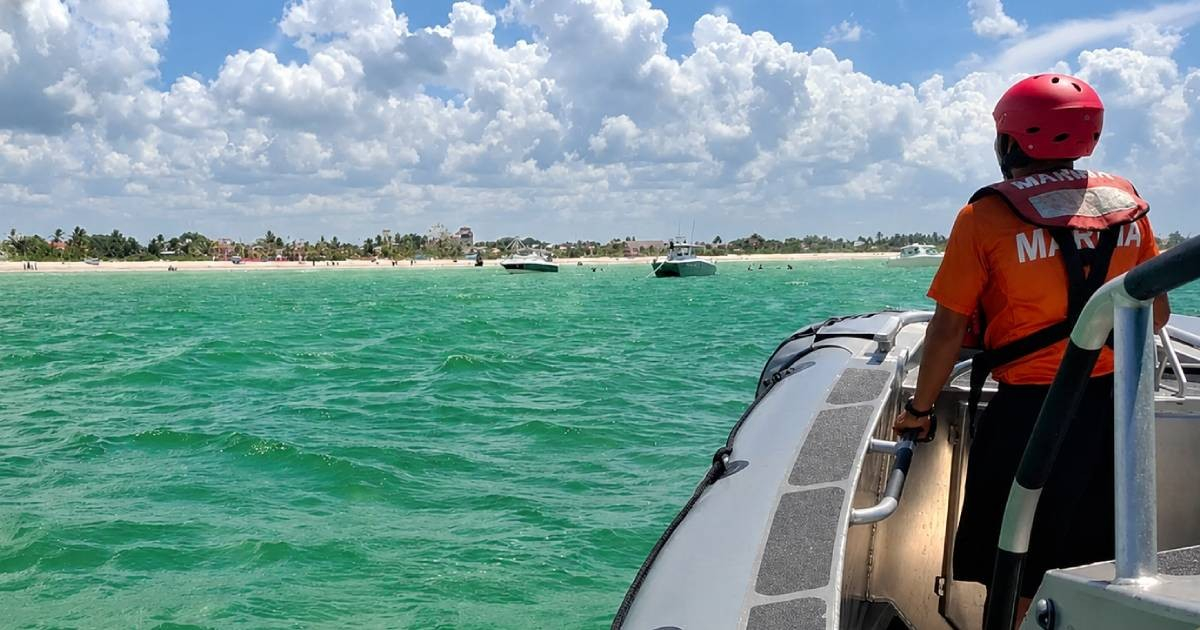
The port authorities of Quintana Roo informed 14yMedio that there is currently no search operation underway for boats originating from Cuba.
The alert about the missing migrants was shared by Miami-based Cuban journalist Daniel Benítez. Mexican port authorities were clear in their response to inquiries.
"There is no report," stated a source from these agencies. Neither the Cuban regime nor the Mexican government has issued any official statement about the incident.
The boat experienced a malfunction in at least one of its engines shortly after departing from Cuba, but the passengers chose to continue their journey. The last known contact placed the vessel approximately 50 nautical miles off the coast of Cancún. No further communications have been received from any of the passengers since that time.
Benítez cautioned that the available information is sparse and does not shed light on what happened to the group or their final location.
Weather Challenges and Potential Safe Havens
Javier Robles, a fisherman who operates a tourist catamaran in the area, recalled that on November 17, maritime advisories were issued due to high waves, although ports were not fully closed. "The winds could have pushed the boat further out to sea," he said.
He also suggested that given the last known point of contact, other vessels might detect some trace of the missing boat.
Robles further speculated that the boat might have landed in Isla Contoy National Park, a protected area north of Cancún, where restricted access could complicate efforts to locate the migrants.
Possible Links to Human Trafficking Networks
Dagoberto Canul, a former municipal police officer of Isla Mujeres, explained that the park has previously been a site where items linked to Cuban sea arrivals have been found: "Engines, clothing, food, backpacks, identification documents, and makeshift rafts made from wood and fuel barrels have been discovered."
Canul also noted that the use of a boat, instead of an improvised raft, could indicate involvement with human trafficking networks that drop off passengers and then depart, adding that the available image of the vessel did not allow for any registration numbers to be discerned.
This case adds to a series of tragedies along the Pinar del Río–Cancún route, which has continued to escalate through 2026.
In August, two young men, Leodannis Sánchez, 17, and Osmaikel, 19, drowned in Sandino when the boat they were using to try to reach Cancún malfunctioned, causing several passengers to jump into the sea.
That same month, 19 Cubans, including seven minors, spent nine days adrift before their vessel was rescued by the Mexican Navy in Yucatán waters. Tragically, two young twins, Leosdel and Leosniel Oviedo Garrobo, aged two, died during the journey, likely due to dehydration.
Understanding the Risks of Cuban Sea Migrations
What are the main dangers for Cuban migrants attempting to reach Mexico by sea?
Cuban migrants face numerous dangers on their sea journey, including engine failures, severe weather conditions, and the risk of drowning. The possibility of being lost at sea and the involvement of human trafficking networks also pose significant threats.
Has there been any official response from the Cuban or Mexican governments regarding the missing migrants?
As of the latest reports, neither the Cuban regime nor the Mexican government has released any official statement concerning the missing Cuban migrants.
What measures can be taken to prevent similar tragedies in the future?
To prevent similar tragedies, increased cooperation between governments for search and rescue operations, awareness campaigns about the risks of such journeys, and efforts to dismantle human trafficking networks are crucial.