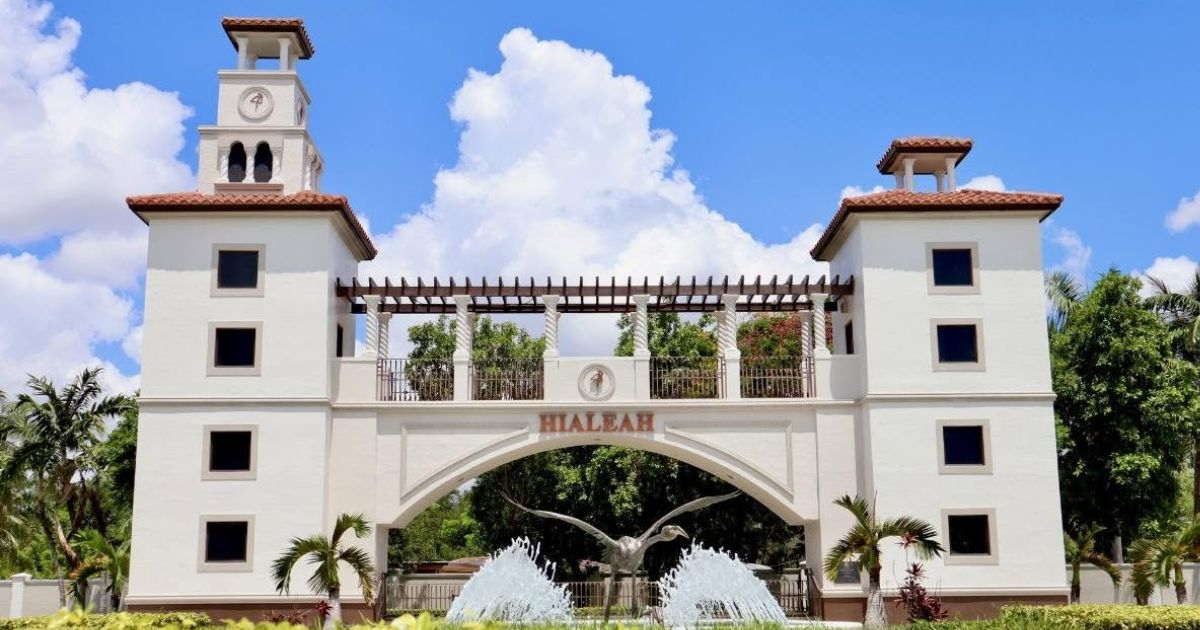
Hialeah, often referred to as Florida's most Cuban city, is facing a challenging situation. After nearly 79% of its residents voted in favor of a property tax reduction, city officials are contemplating up to a 20% pay cut for municipal workers. This move aims to offset the revenue shortfall resulting from the tax changes, alongside potential hiring freezes and job eliminations.
According to a report from Florida Politics, Hialeah is one of several Miami-Dade municipalities considering austerity measures following the approval of Amendment 3. This constitutional change broadens property tax exemptions for primary residences.
City officials estimate the reform could lead to financial losses of up to $17 million in the fiscal year 2028 and $28 million in 2029. These figures represent a significant reduction for a city operating with a budget of approximately $514 million.
Proposals under discussion include a 10% salary reduction in the first year and a 20% cut in the second year for non-unionized workers. Additional measures might include freezing new hires, eliminating vacant positions, and cutting departmental expenses.
Emergency Discussions and Uncertain Outcomes
The initial talks began during an emergency meeting following the November 3 elections, as reported by the Miami Herald. While no decisions have been finalized, Mayor Bryan Calvo's spokesperson confirmed ongoing discussions about potential salary reductions and job eliminations.
The proposed cuts would not affect employees under union contracts or departments like Construction and Public Works, which are considered self-sufficient. However, civilian staff and leadership within the Police and Fire Departments could be impacted.
Challenges for Mayor Calvo
Mayor Calvo faces a complex challenge after recently negotiating what he described as historic labor agreements with the city's three unions. These agreements include cumulative raises of approximately 25% to 30% for police officers over three years, a 17% increase for firefighters over two years, and a 2% raise for workers represented by the American Federation of State, County, and Municipal Employees.
The commitments to unions limit the city's ability to implement broad personnel cuts, as the administration strives to maintain essential services without the same tax revenue.
Statewide Impact and Potential Responses
Amendment 3, approved by around 62% of Florida voters on November 3, enhances the homestead exemption. Starting in January 2027, the exempt assessed value for non-school taxes will rise to $150,000, reaching $250,000 in 2028, with future adjustments for inflation.
In Hialeah, out of approximately 61,000 residential properties, about 32,000 currently benefit from the homestead exemption. Municipal projections suggest that the proportion of properties exempt from municipal property taxes could increase from the current 9% to 43% in 2027 and nearly 71% in 2028.
While this reform provides a tax relief for many homeowners, including Cuban residents in Hialeah, the reduced revenue forces local governments to reconsider how they will finance payrolls and public services.
Broader Implications Across Miami-Dade
The impact extends beyond Hialeah. Miami Gardens has already slashed over 90% of its budget for special events, cutting about a dozen activities, including municipal funding for the Jazz in the Gardens festival. The city has also frozen hiring for vacant positions and reduced discretionary spending.
In Miami Shores, each department has been instructed to cut operational expenses by 10%, and new positions funded by the general fund have been suspended. The municipal workforce has decreased from 155 to 148 employees, affecting services such as maintenance, sports programs, and facility management.
Miami Beach is considering different options. Commissioner David Suarez proposed reducing benefits and expenses for elected officials, including staff, vehicle and phone allowances, and certain security services, before implementing cuts to municipal departments.
County government could also feel the pinch. Miami-Dade estimates losses of around $385.5 million in the first year of the reform's implementation, increasing to $696.7 million in the following year. Libraries, public transportation, parks, and social programs are among the services that might face budgetary pressures, though no definitive plan for cuts has been established.
The decline in revenue has also sparked concern that municipalities and counties might attempt to offset it with new local fees or charges.
Governor Ron DeSantis recently proposed a taxpayer bill of rights to prevent local governments from replacing eliminated taxes with new fees and charges. However, this initiative could also limit municipalities' funding options.
Understanding the Financial Challenges in Hialeah
What prompted Hialeah to consider salary cuts for city workers?
The consideration of salary cuts comes after the approval of Amendment 3, which reduces property tax revenues, prompting the city to explore ways to offset the shortfall.
Who will be affected by the proposed salary cuts in Hialeah?
The proposed salary cuts would affect non-unionized workers, while employees under union contracts and certain departments like Construction and Public Works would be exempt.
How does Amendment 3 impact property taxes?
Amendment 3 extends property tax exemptions for primary residences, increasing the exempt assessed value and reducing municipal revenue from property taxes.