A Cuban doctor recently revived an old political joke with a sting so sharp it resonates painfully: “What’s the ultimate irony for a ruler? Starving the people and then charging for their burial,” wrote Ricardo González on Facebook, in a piece he titled “The Ultimate Irony for a Ruler.”
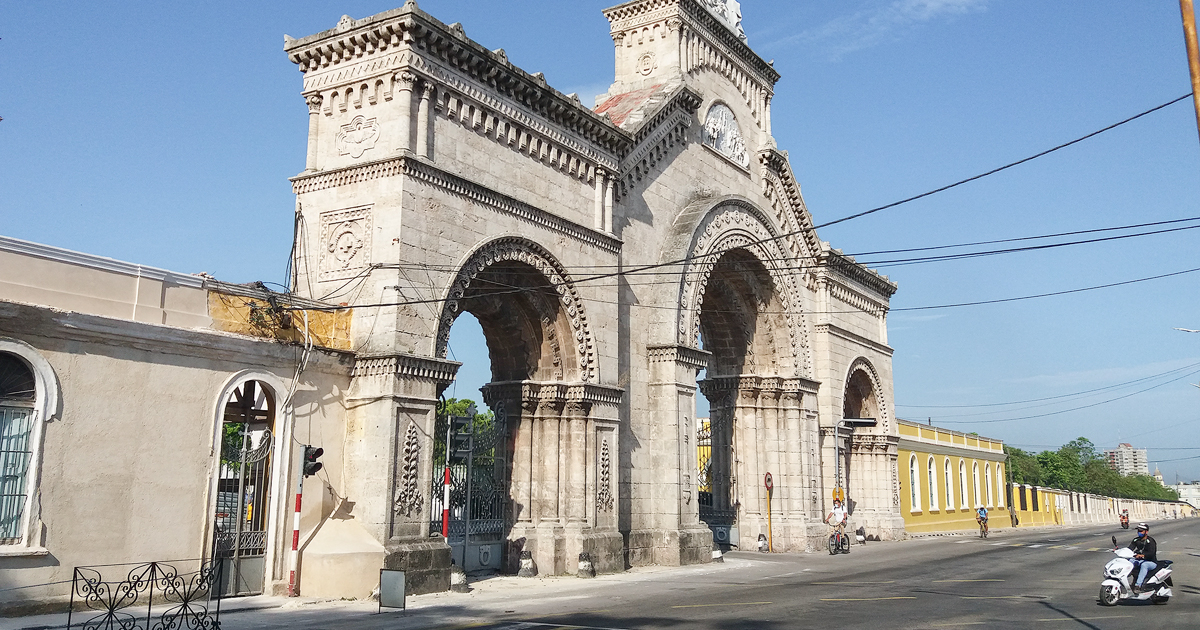
This remark didn’t come out of thin air. On Friday, the profile of the Necrópolis Cristóbal Colón shared a chart listing prices for 12 funeral services, allegedly backed by Resolution 146 dated November 12, 2026, from Havana's Provincial Government. The cemetery itself noted that "so far, the city’s government has not published anything about it," leaving it to the cemetery to share the information independently.
The following day, the provincial government responded, branding the publication as “unauthorized” and stating that the fees are merely “a proposed cost sheet” not yet in effect, though they confirmed that the transition of funeral services toward self-financing has been in progress for months.
González, who began his medical studies in 1977 at the Victoria de Girón Basic Sciences School in Havana, recalls that even back then, anatomy technicians lamented the dwindling number of bodies available for dissection.
The explanation was paradoxical: the free burials instituted by the Revolution led neighbors to claim and bury those who died alone, thus emptying the anatomy rooms. “This is when false egalitarianism began,” writes González. “Coffins were the same for everyone, but of terrible quality; only five flower wreaths were allowed per deceased; all funeral homes were painted a hideous greenish-gray; and there were one or two servings of watered-down coffee, among other things.”
Historical Context of the Joke
It was within this climate of rationing and enforced uniformity that the original joke, attributed to a pair of Cuban comedians, emerged: “What’s the ultimate irony for a ruler? Starving the people and then burying them for free.” Decades later, González believes the punchline needs updating.
The doctor also sarcastically comments on the new class dynamics introduced by the charges: “Those with family abroad who will pay for the burial in foreign currency will have a funeral with some conditions…” This phrase wryly encapsulates a reality the regime never fully explains: access to better services increasingly depends on money arriving from outside the country.
The Grim Reality of Funeral Services in Cuba
The context surrounding the joke is anything but amusing. In October, analyst Frank Rodríguez reported burials in mass graves because families couldn’t afford coffins. In November, one family had to transport a casket using an ox cart.
The cemetery in Cárdenas faced complaints of open vaults and exposed bones. And in April, journalist Camila Acosta shared images of skulls and personal belongings mixed with debris inside the Colón Necropolis itself.
The logic of self-financed funerals isn’t new: since 2023, the regime has charged for intermunicipal transfers, cremations, and home wakes, while keeping basic coffins and local transport free.
In June of that year, the director of the Provincial Unit of Necrological Services in Sancti Spíritus stated: “Our goal is for necrological services to gradually become self-financing, and with those revenues, we can improve those that remain free of charge.”
González concludes his reflection with a phrase blending hope and caution: “I hope that with the good heart of Cubans, the anatomy rooms of Cuban medical schools won’t fill up again.”
Activist Lara Crofs, highlighting the breakdown of funeral services, expressed it differently in September: “Even death seems to have become a privilege for those who can afford it.”
Understanding the Funeral Crisis in Cuba
What sparked the recent criticism of Cuban funeral services?
The criticism was ignited by a publication from the Necrópolis Cristóbal Colón outlining proposed fees for funeral services, which highlighted the ongoing shift toward self-financing in funeral services.
How have funeral services changed in Cuba since 2023?
Since 2023, the Cuban regime has implemented charges for intermunicipal transfers, cremations, and home wakes, while maintaining free basic coffins and local transportation.
What is the significance of the joke about Cuban governance?
The joke underscores the irony and criticism towards the Cuban government for its handling of resources and services, highlighting how the population suffers under its policies.