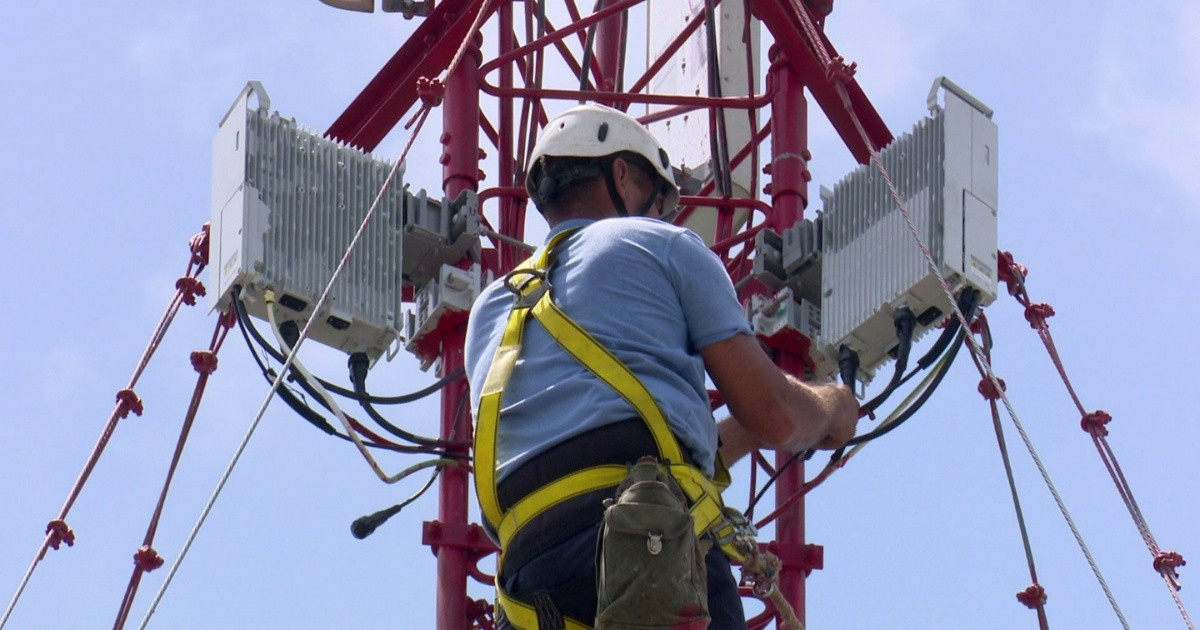
The Cuban Telecommunications Company, ETECSA, has revealed a dire situation in Holguín province. Rampant theft and vandalism targeting their infrastructure, compounded by the regime's lack of investment in modernizing facilities, have left many communities struggling to maintain communication.
Particularly concerning is the scenario in San Germán, where only one of the existing cell towers is operational, and even then, only intermittently.
Widespread Theft and Vandalism
In a recent report by the state-run newspaper ¡Ahora!, ETECSA documented 71 incidents of theft, robbery, and vandalism in 2026, impacting even the photovoltaic systems intended to sustain communications during power outages.
Avilio Jiménez López, head of the General Coordination Department of ETECSA's Territorial Division in Holguín, acknowledged that while these incidents have been ongoing for years, they have intensified recently.
Impact on Infrastructure
Out of the 71 incidents, 64 were identified as severe attacks on the company's infrastructure. Within these, 54 incidents affected cell towers, with 12 involving damage to solar systems. Jiménez López noted that seven municipalities, including Holguín, Moa, and San Germán, are particularly affected.
In San Germán, the situation is especially dire. Of the five cell towers, only one operates intermittently, while two of the three installations in the municipal center have been vandalized.
Cell Towers and Solar Panel Challenges
Cell towers, crucial for connecting mobile phones to the telecom network, become inactive when out of service, affecting connectivity from local communities to municipal centers. The energy crisis has forced ETECSA to install solar panels at many of its towers to reduce reliance on national electricity. Unfortunately, these panels have also become targets of theft.
"The theft of cables has significantly impacted our photovoltaic systems," admitted Jiménez López. Thieves are stealing cables and connectors essential for powering both the towers and the solar panels themselves, rendering the equipment unusable.
Economic and Operational Setbacks
Despite installing 31 photovoltaic systems across five municipalities and ensuring solar backup in five municipal telecom centers, ETECSA faces challenges due to limited battery capacity, which necessitates service restrictions during power outages. The management systems automatically disconnect the 4G network to preserve voice call availability when battery levels drop.
Economic repercussions are also significant. ETECSA reported missing its revenue target in Holguín province by 28 million pesos last month, attributing the shortfall to vandalism-related service disruptions and energy constraints.
Connectivity issues have previously been reported by locals, such as in October when a 4G tower cable theft left a Holguín neighborhood nearly offline, despite solar panel installations aimed at improving service.
The situation in Holguín reflects a broader issue. Earlier in November, ETECSA reported escalating attacks in Camagüey, where over 2,000 meters of cable theft worsened communication restoration challenges.
Understanding the Telecom Challenges in Cuba
What is the current situation of ETECSA in Holguín?
ETECSA faces severe challenges in Holguín, with rampant vandalism and theft affecting their infrastructure, leading to significant connectivity issues in the region.
How have solar panels been affected by theft?
Thieves have been targeting cables and connectors from solar panel systems, which are essential for powering the radiobases and ensuring continued service during outages.
What financial impact has the vandalism had on ETECSA?
Due to service disruptions from vandalism, ETECSA missed its revenue target in Holguín by 28 million pesos last month.