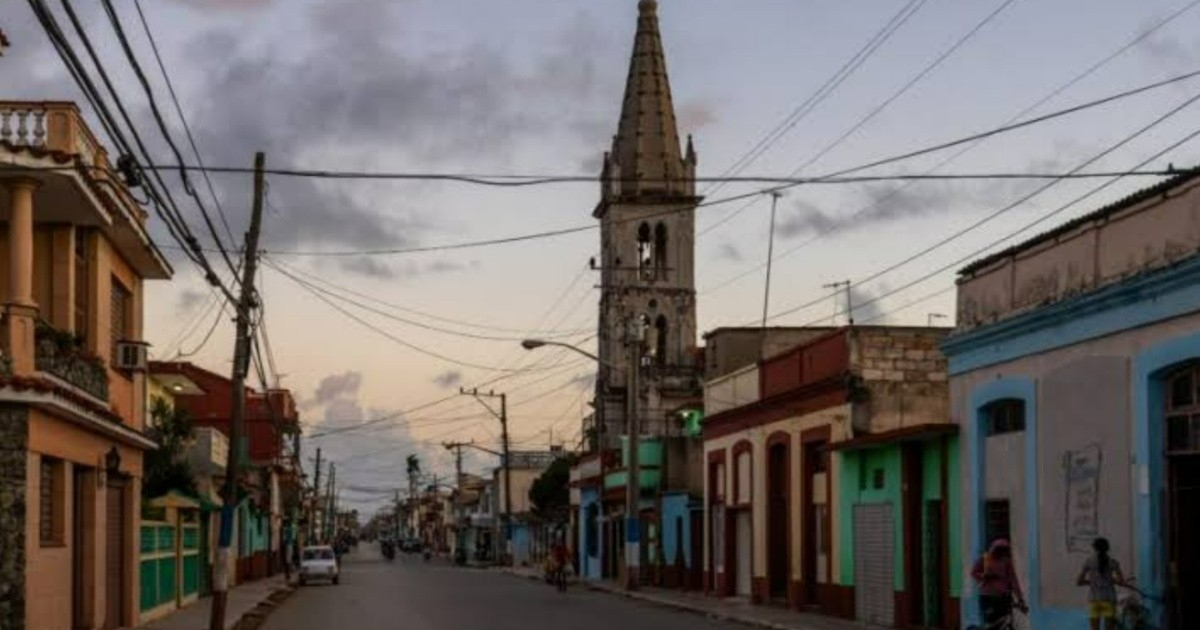
In Cárdenas, Matanzas, three men are currently detained on charges of sabotage after allegedly tampering with a transformer seal to steal dielectric oil. This act left the community of Fines without power, according to a report by the state-run platform "Con Todos La Victoria," affiliated with the Matanzas Defense Council.
The suspects have been identified as P. Y., B. C., and L. M. Authorities apprehended P. Y. near the Fines electrical substation as he attempted to siphon more oil with his accomplices. These individuals were linked to the transformer incident on the Cárdenas-Coliseo road, as per the official source.
Upon their arrest, officers confiscated six 25-liter plastic containers with traces of dielectric oil, an adjustable wrench, and two plastic buckets.
The trio faces formal sabotage charges and remains in custody, awaiting judicial proceedings.
Escalation of Dielectric Oil Thefts in Cárdenas
Cárdenas has become a hotspot for dielectric oil theft, with at least 20 incidents reported by September 2026. Just days before this recent case, around 1,500 liters were stolen from the transformer at Julio Aristegui Villamil General Teaching Hospital. The Salé substation has been out of service since July 2026 due to a similar theft, impacting electricity, water, and communication services in the area and in Cantel.
Provincial and National Impact of Oil Thefts
Across Matanzas, by the end of August, authorities recorded 175 incidents of dielectric oil theft. The thefts resulted in over 55,950 liters stolen, damage to 91 transformers, and disruptions at 43 out of 98 substations.
The root cause of this criminal activity is the shortage of fuel. Dielectric oil is sold on the black market as a diesel substitute for tractors and agricultural machinery, fetching prices between 600 and over 2,500 Cuban pesos per liter.
Legal Framework and Severe Penalties
These cases fall under the Supreme People's Court's Ruling 475/2025, which directs judges to classify any theft or damage to components of the National Electroenergy System as sabotage—under Article 125 of the Penal Code. Punishments range from seven to 30 years in prison, with the possibility of life imprisonment or the death penalty for aggravated cases. The regime increased these penalties in April 2026 in response to the surge in thefts.
Recent sentences in the province demonstrate the harsh punitive approach: in early November, three men in Jagüey Grande received sentences of 15, 14, and eight years for similar offenses. Nationally, four individuals in Havana received sentences between 15 and 20 years, and five in Ciego de Ávila were sentenced to up to 12 years for related crimes.
Between 2025 and the first half of 2026, over 460 criminal investigations were initiated for offenses against the electrical system nationwide, with more than 300 linked to dielectric oil theft.
Understanding the Theft of Dielectric Oil in Cuba
What motivates the theft of dielectric oil in Cuba?
The primary motivation behind stealing dielectric oil is the severe fuel shortage in Cuba. The oil is sold on the black market as a substitute for diesel, essential for operating tractors and agricultural machinery.
What are the legal consequences of stealing dielectric oil in Cuba?
Under the current legal framework, theft of dielectric oil is classified as sabotage, with penalties ranging from seven to 30 years in prison. In aggravated cases, offenders may face life imprisonment or even the death penalty.
How has the Cuban government responded to the increase in oil thefts?
In response to the rising number of oil thefts, the Cuban government has toughened penalties, with new regulations in April 2026 leading to harsher sentences for those convicted of such crimes.