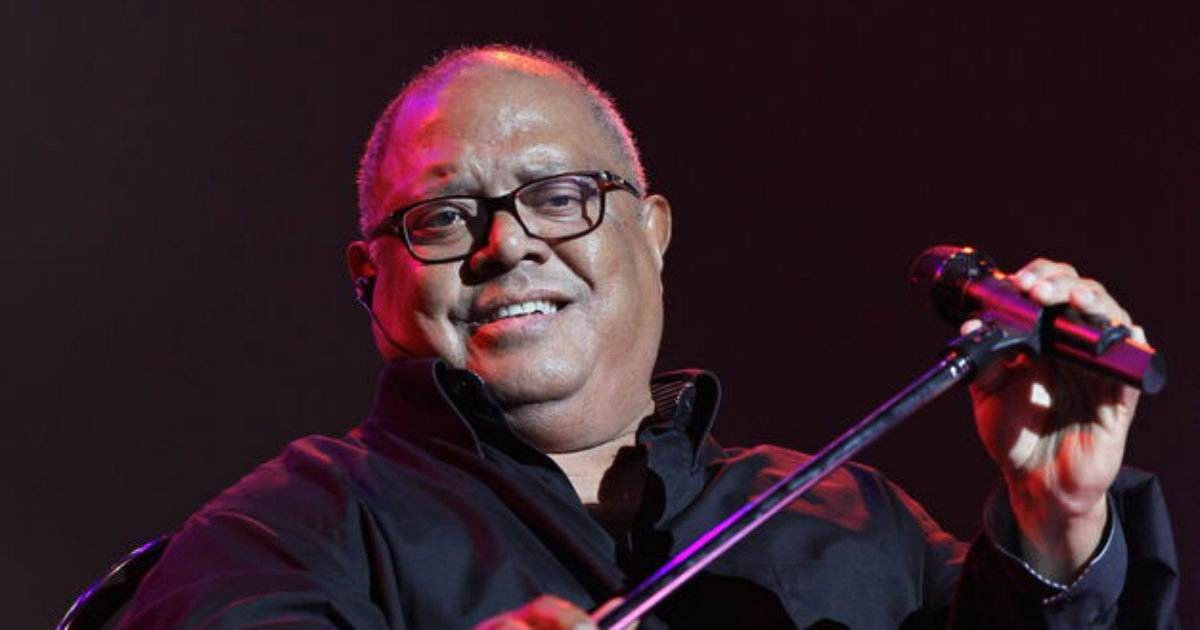
The documentary "Living to Tell: The Relentless Time of Pablo Milanés," directed by Fabien Pisani, son of the iconic Cuban singer-songwriter, is set to premiere in Spanish cinemas on Friday, November 27. This comes four years after Milanés' passing, and with an ironic twist—the Cuban regime has refused to allow its official release on the island.
Filmed over a span of 15 years, the documentary weaves together family archives, footage from Cuban television and the Cuban Institute of Cinematographic Art and Industry (ICAIC), alongside interviews with notable figures such as Joaquín Sabina, Ana Belén, Joan Manuel Serrat, Chico Buarque, and Harry Belafonte.
The narrative explores the final days of Milanés (1943-2022), who passed away in Madrid after a prolonged illness. Despite his deep love for Cuba, he died far from his homeland, disillusioned by its circumstances.
Pisani, one of Milanés' nine children, shared with EFE news agency that his father initially agreed to the project "out of commitment." However, after the first session, Milanés grew enthusiastic, realizing it was more than a tribute; it was a chance to reflect on an entire generation of pivotal Latin American artists.
The documentary recently received the Audience Award for Best International Feature at the In-Edit Festival in Barcelona, where screenings boasted over 85% occupancy.
Before reaching Spanish theaters, the film made its rounds at festivals in the United States, Canada, the United Kingdom, and various Latin American countries. It won the Best Documentary award at the Havana Film Festival in New York.
Censorship and Controversy in Cuba
In Cuba, however, the situation is starkly different. The 46th International Festival of New Latin American Cinema in Havana dismissed the film without explanation, although the same festival featured another of Pisani's documentaries. The sole screening in Cuba occurred at the Norwegian Embassy in Havana, in an alternative cultural venue, attended by approximately 200 people.
Pisani openly criticizes the regime, acknowledging that his father remains a "challenging figure" for them. He condemns the Cuban government's "incompetence" and "pettiness" in failing to embrace the legacy of someone so beloved by the public, whose disillusionment with the revolution resonates with almost everyone in Cuba, according to the director.
Cuban actor Luis Alberto García questioned the festival's exclusion of the documentary, suggesting it was ideologically motivated. The film portrays Milanés as a deeply patriotic figure, contradicting the regime's portrayal of him as a "traitor" due to his critiques of the system.
Uncomfortable Truths and Personal Reflection
The documentary delves into episodes that challenge the official narrative: Milanés' time in the UMAP—forced labor camps established in 1965—racism, censorship against the Pablo Milanés Foundation, and the controversies surrounding his final concert in Havana.
For Pisani, editing the film was a personal journey of mourning. Following his father's death in November 2022, he spent two years crafting the final cut: "Spending those years locked in the editing room with his music, voice, and presence was tough until I realized it was a privilege."
The filmmaker is committed to sharing the documentary with Cuban audiences whenever possible and is met with gratitude from the people. "Traveling with this film and sharing it with audiences is incredibly meaningful to me. It was a gift he left me," Pisani concludes.
Frequently Asked Questions About Pablo Milanés Documentary
Why was the documentary not released in Cuba?
The Cuban government has not permitted its official release due to Pablo Milanés' critical stance against the regime.
What themes does the documentary cover?
The film addresses Milanés' experiences in forced labor camps, issues of racism, censorship, and his last concert in Havana.
How has the documentary been received internationally?
The documentary has been well-received, winning awards at festivals such as the In-Edit Festival in Barcelona and the Havana Film Festival in New York.