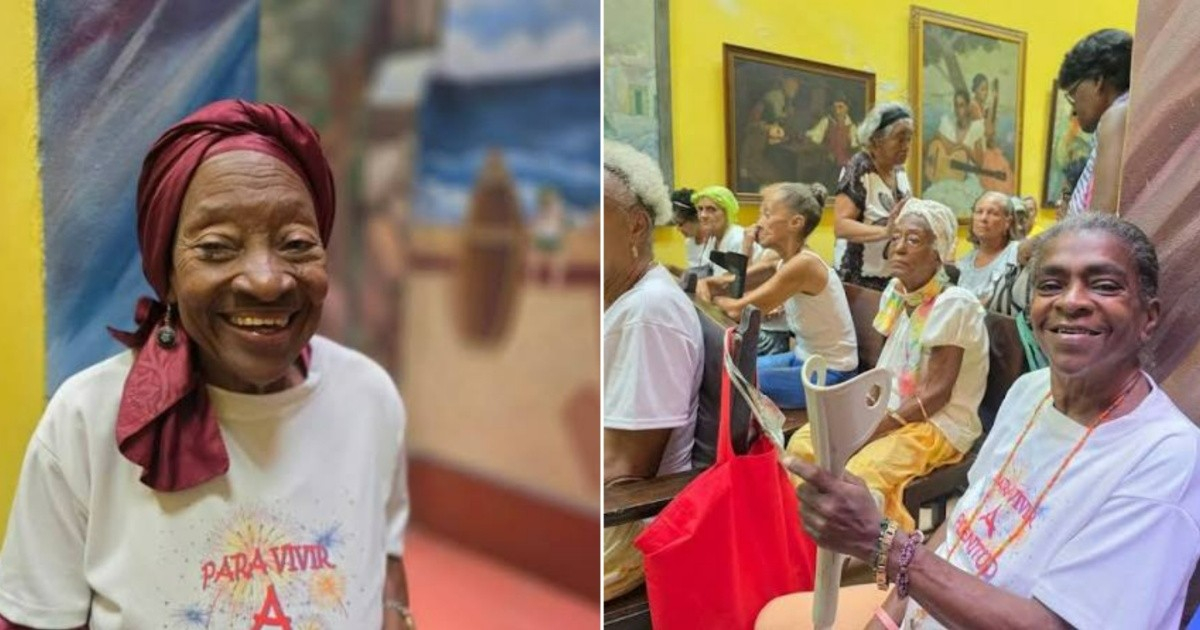
Located approximately 20 kilometers from Havana, an old rural school has been transformed into Cuba's sole sanctuary that provides comprehensive care—including shelter, food, and medical services—to 318 homeless individuals. This initiative was detailed in a report by EFE this past Saturday.
Managed by the religious and social assistance organization Quisicuaba, situated in the municipality of San Antonio de los Baños, Artemisa province, the refuge welcomes elderly individuals, those with mental health challenges, and citizens undergoing social reintegration who have often lost all family ties.
The center ensures six meals each day—breakfast, lunch, dinner, and three snacks—while also offering a pharmacy, medical office, library, hair salon, gym, laundry, and wheelchairs for those with physical disabilities.
A dedicated team of 62 professionals, including doctors, psychiatrists, therapists, and assistants, tailor occupational therapies to suit the cognitive abilities of each resident.
To lessen its reliance on external aid, the refuge grows its own produce, including bananas, sweet potatoes, taro, squash, yucca, and beans. It also maintains an organic garden and a livestock module, and produces charcoal for cooking.
This project receives support from United Nations agencies and European cooperation organizations, with plans to expand capacity to accommodate between 560 and 580 people.
Quisicuaba was founded on October 12, 1939, by Andrea B. Zabala Ortega in the Los Sitios neighborhood of Havana, originally named the Kardecian Spiritist Crossed Religious Institution. In 1992, Enrique Alemán Gutiérrez—a doctor, anthropologist, and grandson of the founder—adopted the name "Quisicuaba," linking it to the Kissi groups in Angola's southern basin. Alemán currently leads the organization and presides over the Cuban Federation of Spiritists.
Besides the shelter, Quisicuaba operates a social dining room on Maloja Street in Central Havana, where hundreds of Cubans line up overnight for a daily meal. According to the report, "for many, this meal is the only one they receive each day," with the line comprising retirees, former teachers, retired doctors, single mothers, and workers whose incomes no longer suffice for basic needs.
The organization has identified approximately 12,500 vulnerable individuals in Havana alone, highlighting the rapid deterioration of living conditions on the island.
The number of "wandering" individuals in Cuba surged from 1,100 in 2012 to 3,690 in 2023, marking a 235% increase over eleven years, as per the Ministry of Labor and Social Security.
In July 2025, the regime acknowledged over 310,000 residents living in poverty or social vulnerability. Moreover, annual inflation soared to 28% by September 2026, with food and beverage prices skyrocketing by 42.66% during this period.
In response, the government announced targeted assistance for vulnerable populations, providing five pounds of rice, one pound of sugar, and one pound of beans per month, initially planned until January 2027. This aid starkly contrasts with the scale of the crisis, given the current prices: a carton of eggs can exceed 3,000 Cuban pesos, and a bottle of oil can cost over 2,700 pesos.
In May 2024, the San Antonio de los Baños shelter housed 113 individuals; within less than two and a half years, this number nearly tripled to the current 318, underscoring the rapid escalation of the social crisis in Cuba.
Quisicuaba maintains verifiable connections with the upper echelons of the Cuban government. Visits from appointed leader Miguel Díaz-Canel, government ministers, and state officials attest to these ties.
Director Enrique Alemán, who is also a spiritist and a member of the National Assembly of People's Power (ANPP), has stated that Quisicuaba's social work is justified by its focus on impoverished groups in the capital, a number that continues to grow on the island.
Alemán reported to the official portal Cubadebate that more than 4,000 homeless and "vulnerable" individuals receive meals daily at a dining room in Havana. However, 14 y Medio noted that if this number is accurate, it would mean feeding three people every minute continuously throughout the day.
Understanding Quisicuaba's Role in Addressing Cuba's Social Crisis
What services does the Quisicuaba shelter provide?
The shelter offers comprehensive care including meals, medical services, and therapy, as well as facilities like a pharmacy, library, gym, and more.
How does Quisicuaba sustain its operations?
Quisicuaba grows its own food and receives support from United Nations agencies and European cooperation organizations, reducing its dependency on external aid.
Why is Quisicuaba significant in Cuba?
Quisicuaba plays a crucial role in addressing the needs of Cuba's growing vulnerable population by providing essential services and support to those in need.