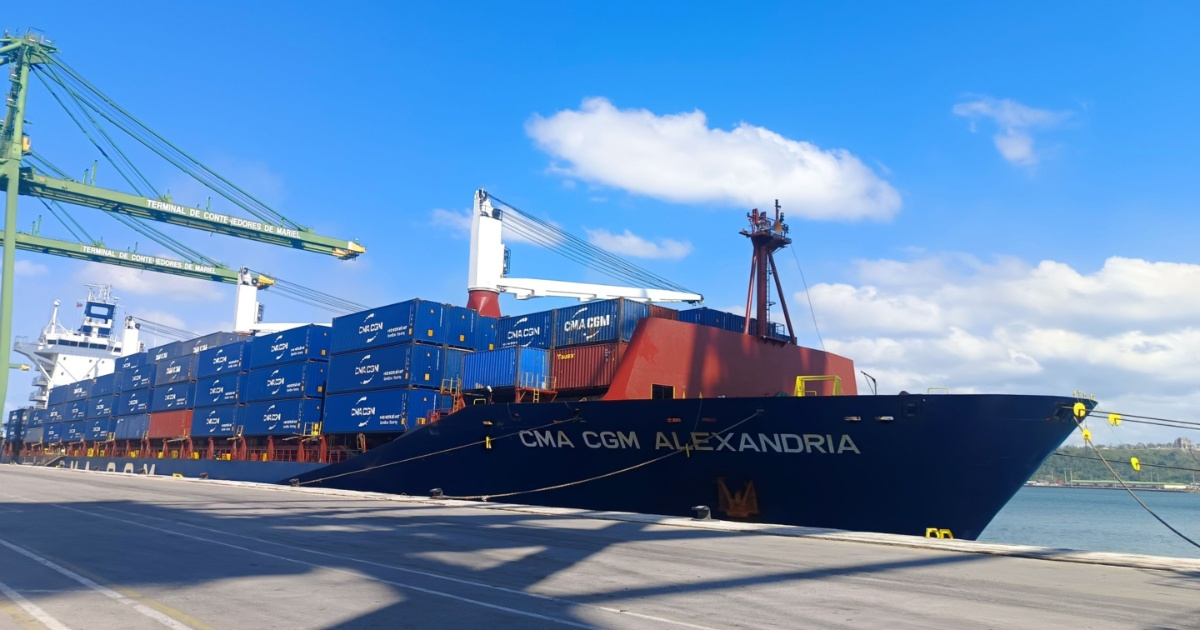
The U.S. Department of the Treasury's Office of Foreign Assets Control (OFAC) released two new Frequently Asked Questions on Friday—FAQ 1278 and FAQ 1277—that provide crucial guidance for exporters, shipping agencies, and families sending goods to Cuba. These FAQs clarify that those involved in previously authorized activities can continue to operate and make payments at Cuban ports, including Mariel, without facing sanctions.
This clarification comes three weeks after a sectoral determination on November 5, 2026, issued under Executive Order 14404, which identified Cuba's maritime, manufacturing, technological, and electronic sectors as potentially subject to sanctions. This had caused uncertainty among operators sending vital supplies such as food and medicines to the island.
FAQ 1278 is particularly significant for routine trade. OFAC confirms that U.S. persons engaging in authorized activities under Cuban sanctions regulations can continue these operations, "including payments to Cuban ports, including the port of Mariel."
Moreover, the U.S. government states that, generally, it does not intend to sanction non-U.S. persons under EO 14404 for operating in the maritime sector—including interactions with Mariel—when their transactions involve the supply of agricultural products, food, medicine, medical devices, spare parts, and medical software updates.
The message from Washington is clear: the pressure is directed at the Cuban regime and GAESA, not at authorized trade or humanitarian aid.
FAQ 1277 addresses another common concern: that the sectoral determination automatically sanctions everyone operating in those four sectors. OFAC explicitly denies this.
"A sectoral determination exposes individuals who operate or have operated in an identified sector to the risk of being sanctioned; however, it does not automatically impose sanctions on all who operate in that sector," the document specifies.
Only individuals or entities expressly designated by OFAC or the Department of State are sanctioned.
Nevertheless, this does not imply that Mariel is a risk-free zone. The port is controlled by entities already designated: Terminal de Contenedores de Mariel S.A. and Coral Marítima S.A. were sanctioned on July 23 following an attempt by the regime to transfer assets to evade previous restrictions, and Almacenes Universales S.A. (AUSA) was designated a month earlier.
GAESA, the military conglomerate that controls much of Cuba's economy, was directly sanctioned on May 7, 2026.
The primary compliance risk for exporters and shipping companies remains OFAC's 50% rule: any entity controlled 50% or more by a sanctioned entity is also considered sanctioned, even if not listed. This necessitates thorough verification of whom one contracts with and pays within Mariel before each operation.
For families and businesses shipping food and medicine to Cuba from Miami, the practical takeaway is that their authorized shipments can continue, as long as their shipping agencies and logistical operators are not directly contracting with designated entities.
The authorized humanitarian and commercial channel remains active: U.S. food exports to Cuba increased by 13.2% in May 2026, with frozen chicken quarters, fresh eggs, and pork as leading items.
FAQs 1277 and 1278 align with OFAC's FAQ 1264, updated this past Saturday, which since August has established that the U.S. does not intend to sanction non-U.S. persons for humanitarian transactions related to the supply of food or medicine to Cuba under EO 14404.
Frequently Asked Questions about U.S. Sanctions and Cuba's Maritime Trade
What activities are still permitted at Cuban ports like Mariel?
Activities that have been previously authorized, such as shipments of food, medicine, and related payments, can continue at Cuban ports including Mariel without sanctions.
Are non-U.S. persons at risk of sanctions when trading with Cuba?
Generally, non-U.S. persons are not targeted for sanctions under EO 14404 when their transactions involve humanitarian supplies like food and medicine.
What is the 50% rule in relation to OFAC sanctions?
The 50% rule states that any entity controlled 50% or more by a sanctioned entity is considered sanctioned, even if it does not appear on any lists, requiring careful verification of business partners.