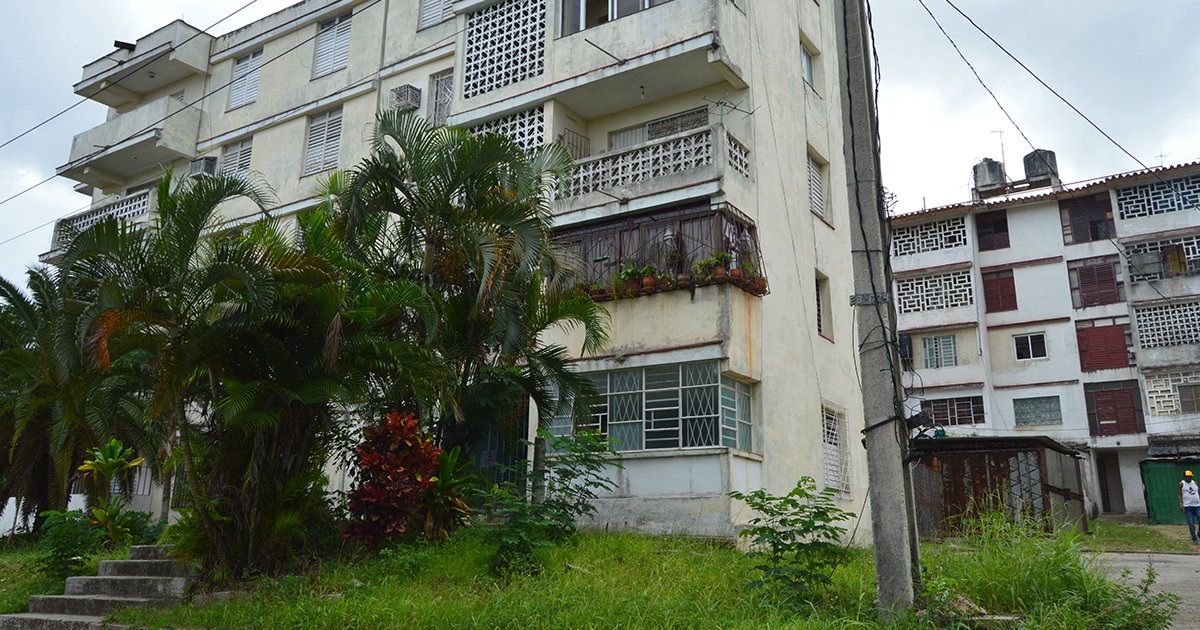
As officials in East Havana plan to implement "early warning systems" to respond to "abnormal situations," residents continue to voice concerns about ongoing issues such as water shortages, extended power outages, uncollected garbage, and difficulties in accessing pension payments.
This information emerged from a meeting of the Municipal Defense Council, led by Juan Rolando Fernández Sánchez, the municipal mayor, Maikel Pérez Valdés, the first secretary of the Party and council president, and Arlenis González Vázquez, the president of the Municipal Assembly.
A report shared on the Municipal Administration Council's (CAM) Facebook page on Friday indicated that authorities are exploring alternative methods to activate alert mechanisms in cooperatives and organizations. However, the specific threats that would necessitate the installation of these warning systems were not disclosed.
This initiative aligns with the regime's strategy this year to militarize community management, under the banner of the Year of Defense Preparedness. In September, President Miguel Díaz-Canel encouraged Havana residents to familiarize themselves with seeking shelter in basements and tunnels. He also recently urged that defense structures address daily issues like water supply.
In October, during a neighborhood meeting at a 20-story building near the Communist Party's Central Committee in Plaza de la Revolución, a regime representative reminded residents that pot-banging protests should only occur indoors. According to reports from the meeting, if a war alarm were activated, residents on higher floors would need to move to the building's basement, though it lacks capacity for all inhabitants. Priority for evacuation would be given to children and the elderly, who should bring essential items like medicines and water.
Last week, Prime Minister Manuel Marrero Cruz called for increased local food production and shelter planning for the elderly in Holguín against potential "contingencies."
During the session in East Havana, officials also reported identifying over 3,500 vulnerable individuals to target for subsidies. They announced the establishment of a new Social Work Directorate and progress in pension payments outside bank branches through state platforms and transfers, benefiting more than 24,000 retirees.
However, comments from residents beneath the official statement painted a different picture. One person highlighted that some buildings have been without water for months, citing "Old Havana Building 3, Zone 11" as having a critical sanitary situation. Another resident pointed out supply issues in the Pan American Village, where buildings reportedly lack cisterns, and questioned pension payment delays at the local bank. "There are retirees who have been unable to collect for two or three days," she warned.
Complaints also included sewage running along streets near the People's Power headquarters, garbage pile-ups in school zones, and lengthy power outages. A resident noted that the GC7 circuit remains electrically unstable, with blackouts lasting several days or even a full week.
The disconnect between the topics discussed by officials and the pressing needs of residents was evident in the feedback. "These people talk about issues completely out of touch with reality; it seems Juan Rolando has a large cistern and doesn't lack water," commented one user. Another summarized his dissatisfaction with a message to the municipal authorities: "But in peacetime, they solve nothing in East Havana."
Understanding the Crisis in East Havana
What are the "early warning systems" being proposed in East Havana?
The "early warning systems" aim to activate defense mechanisms during "abnormal situations," though specific threats have not been detailed by authorities.
What ongoing issues are residents facing in East Havana?
Residents are experiencing water shortages, prolonged power outages, garbage accumulation, and difficulties in accessing pensions.
How are authorities addressing the needs of vulnerable individuals?
Officials have identified over 3,500 vulnerable individuals for targeted subsidies and are advancing pension payment systems outside bank branches.