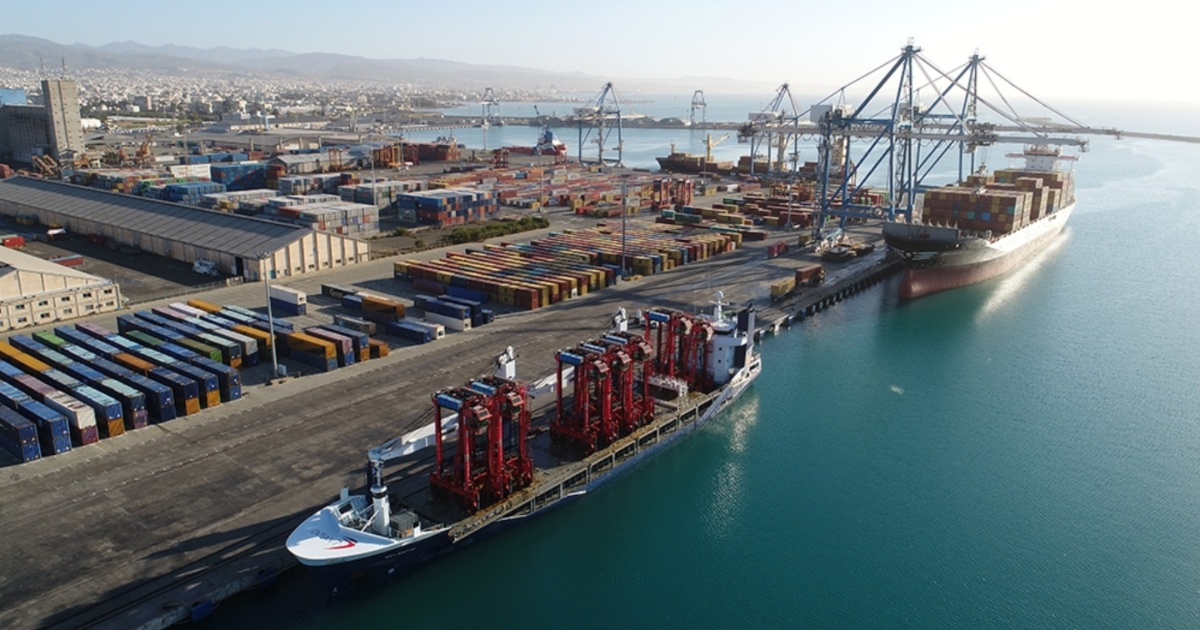
The Cuban military conglomerate, GAESA, is strategically relocating its maritime and financial network from Liechtenstein to Cyprus, a member of the European Union. This move is highlighted in a report by elTOQUE, released on Friday, describing it as a method to maintain its offshore operations, which manage vessels, freight, cargoes, and credits for the Cuban state, all while Washington increases sanctions on the military holding.
The systematic pattern observed by elTOQUE reveals that five companies linked to the Acemex consortium, initially established in Liechtenstein in 1984 to oversee Cuban shipping activities, are liquidating in the alpine principality. Simultaneously, their Cypriot counterparts have emerged with identical names, administrators, and business objectives.
Among these new entities are Gilmar Investments Limited and Marsea Holdings Limited, founded in Cyprus between June and July 2025. Both companies are located at Karaiskaki 13 in Limassol and share the same secretarial service, Cyproservus Co. Limited, a part of Demetriades & Co. legal firm.
In June 2026, Cuba's Ministry of Foreign Trade authorized the registration of Gilmar Investments' Cypriot branch, replacing its predecessor in Liechtenstein, while maintaining its focus on investment brokerage, closely linked to Acemex.
The investigation concludes that, despite changing jurisdictions, the ties between these companies and Cuba's economic and military power remain intact. Central to this network is Guillermo Faustino Rodríguez López-Calleja, born on January 31, 1958, and brother of the late General Luis Alberto Rodríguez López-Calleja, who led GAESA until his death on July 1, 2022.
On November 5, the U.S. State Department individually sanctioned Guillermo, listing him under the OFAC's Cuba program for his involvement in the island's energy sector via a maritime network transporting oil products to and from Cuba.
On the same day, Washington extended sanctions to three companies and blocked five Cuban oil tankers. Caroil Transport Marine Limited, already sanctioned in September 2019 for Venezuelan oil, was included in the Cuba sanctions program. Petróleos Marítimos del Caribe S.A. (Petromarca), operating the vessels Emilia and Lourdes, and Internacional Marítima S.A., owner of the Esperanza, were also blocked.
The five vessels identified as blocked property are the Esperanza, Gloria C, María Cristina, Emilia, and Lourdes.
This corporate maneuver occurs under increasing U.S. pressure. In May 2026, Trump signed Executive Order 14404, threatening secondary sanctions on any foreign company dealing with GAESA, MINFAR, or MININT.
In July, the U.S. expanded sanctions to include the Mariel Container Terminal and three other entities tied to the conglomerate.
The European dimension introduces an immediate political angle: Cyprus has been part of the EU since 2004, and on June 18, 2026, the European Parliament, with 283 votes in favor, called for Magnitsky sanctions against Díaz-Canel and GAESA's leadership, as well as suspending the Political Dialogue and Cooperation Agreement between Brussels and Havana.
On October 27, U.S. Ambassador Mike Waltz presented internal GAESA documents to the UN General Assembly, revealing around $18 billion in current assets, with nearly $14.467 billion held in the conglomerate's banks, while Cubans endure power outages lasting up to 24 hours.
Key Questions about GAESA's Strategic Moves
Why is GAESA shifting its operations from Liechtenstein to Cyprus?
GAESA is relocating its operations to Cyprus to preserve its offshore network amid increased U.S. sanctions, maintaining its shipping and financial activities within the EU jurisdiction.
What implications do U.S. sanctions have on GAESA's international operations?
U.S. sanctions impose restrictions on GAESA's international dealings, potentially impacting its ability to operate globally by targeting its energy sector and related maritime activities.
How has the European Union responded to GAESA's activities?
The European Parliament has called for sanctions against GAESA's leaders and suggested suspending the Political Dialogue and Cooperation Agreement with Cuba, reflecting a critical stance on the conglomerate's operations.