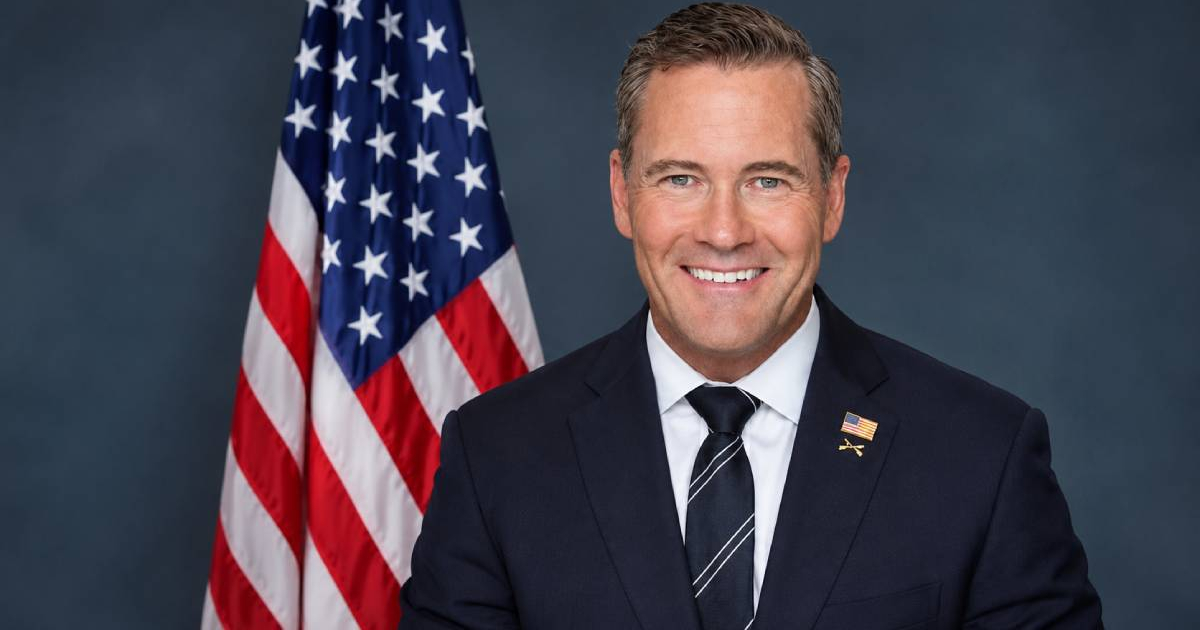
The United States Ambassador to the United Nations, Mike Waltz, stated on Thursday that "global awareness is growing regarding Havana's deceptions."
"When I challenged the Cuban regime at the UN about their billions in stolen funds, luxury yachts, and political prisoners, they attempted to silence us as if we were in Havana—and they had absolutely NO response. The world is awakening to the lies of Havana. The Cuban people WILL be free," Waltz declared on X.
This comment continues a diplomatic push that reached a boiling point on October 27 during the annual General Assembly debate over the U.S. embargo against Cuba.
In that session, the American diplomat cited findings from a Miami Herald investigation into internal documents from GAESA—an enterprise conglomerate controlled by the Cuban military. According to the data, as of March 2024, the Cuban company held about $18 billion in current assets, with approximately $14.5 billion deposited in bank accounts or financial institutions within the conglomerate.
To highlight the enormity of this figure, the ambassador explained that these funds could cover the salaries of all Cubans for around two years or supply the island's pharmacies for over forty years.
Waltz further presented delegates with images of Rolex watches, mansions, private islands, and a 50-meter yacht attributed to the regime's elite, contrasting these with the shortage of fuel for ambulances and buses in Cuba.
During Waltz's presentation, Cuban Foreign Minister Bruno Rodríguez Parrilla physically disrupted by approaching the podium, accusing Waltz of "grossly lying and insulting the dignity of the people and government of Cuba," leading the Assembly's president to briefly halt the session. Waltz retorted, "Step back. This is not Havana."
A Cuban diplomat, Richard Tur de la Concepción, first secretary of Cuba's UN mission, was accused of attempting to seize the phone of U.S. spokesperson J. P. Freire, who was recording the incident. Washington declared him persona non grata, and Tur returned to Havana on October 29.
The vote on the annual resolution against the embargo yielded the worst result for Cuba in three decades: 130 in favor, 17 against, and 25 abstentions, with 21 countries absent. This marked a decline of 35 supportive votes compared to 2025 and 57 compared to 2024, when the resolution garnered 187 approvals.
Countries that shifted their stance included Colombia, Costa Rica, Ecuador, Morocco, Trinidad and Tobago, and the United Arab Emirates. Notably, Germany, which had consistently supported the resolution since 2002, chose to abstain this time.
In an opinion piece titled "Cuba's Rulers Can Shout at Diplomats. They Can't Silence the Cry for Freedom," Waltz argued that, "for the first time in 31 years," nearly a third of the world refused to support the Cuban resolution.
Understanding the Global Shift on Cuba's Embargo
What prompted Mike Waltz's remarks at the UN?
Mike Waltz's comments were in response to the Cuban regime's alleged financial misdeeds and political oppression, highlighting a growing global recognition of these issues.
How did Cuba's Foreign Minister react during Waltz's presentation?
Cuban Foreign Minister Bruno Rodríguez Parrilla interrupted Waltz's presentation, accusing him of lying and insulting, which led to a brief suspension of the session.
What were the results of the UN vote on the embargo resolution?
The UN vote resulted in 130 in favor, 17 against, and 25 abstentions, reflecting a significant drop in support for Cuba's position compared to previous years.