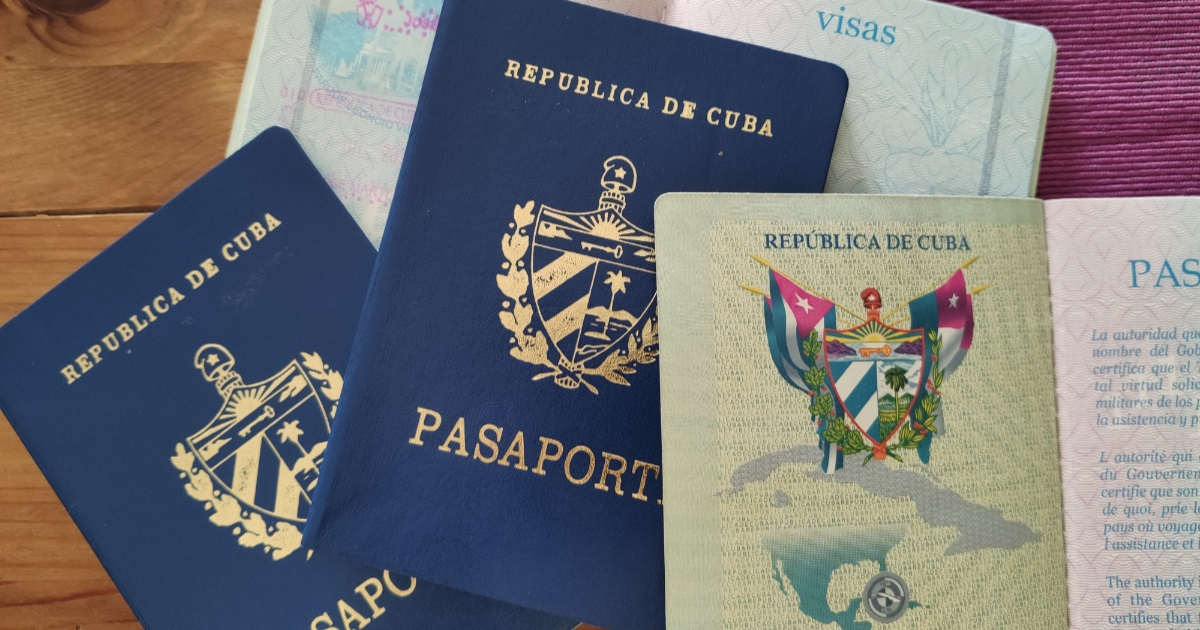
The implementation of Cuba's new Migration Law has sparked concern among professionals worried that possessing a university degree might block their ability to travel abroad.
Nevertheless, the legislation does not impose a blanket restriction on all graduates. Instead, it maintains certain limitations for specific workers and introduces a new reason for travel restriction linked to their job responsibilities.
This is clarified in a legal analysis published by elTOQUE on Tuesday, which scrutinized the Migration Law 171 alongside other current regulations. This was in response to social media claims suggesting that any professional would require special permission to leave the island starting November 1, 2026.
The analysis concludes unequivocally: merely holding a college degree does not automatically prevent someone from leaving Cuba.
The key factors are the individual's job position, their duties, and whether they fall under the category of workers requiring authorization.
Who Needs Permission to Leave Cuba?
Article 97, section f, of Law 171 specifies that a lack of authorization, as stipulated in regulations aimed at preserving a skilled workforce for economic, social, and scientific-technical development, constitutes a reason for travel restriction.
This provision does not list specific university degrees nor imply that all professionals are regulated. To identify who might need such authorization, one must refer to other regulations, particularly Decree 306 of 2012, as noted by elTOQUE.
This decree outlines four major groups of workers: executives and managers with certain responsibilities; university graduates involved in vital activities for strategic programs, research, or health services; specialized technicians whose roles are essential to health and scientific-technical activities; and high-performance athletes, technicians, and coaches whose work is vital to sports.
Therefore, a university graduate working in a field not included in these categories is not automatically barred from traveling due to their academic background.
Not all specialized technicians face restrictions either; the regulation specifies particular roles and specializations.
What About Doctors and Teachers?
Healthcare professionals are explicitly mentioned in Decree 306, yet the legal analysis highlights that not all doctors are automatically regulated due to their medical practice.
The restriction depends on whether their roles are considered vital and if they are included in the authorization system.
As for teachers and professors, the decree does not list them as a professional category generally subject to travel restrictions.
The analysis by elTOQUE found no regulatory support for the claims circulating on social media regarding a supposed general tightening of travel permissions and employment conditions for educators by the Ministry of Education.
This does not exclude the possibility that certain educators might be subject to regulations due to other responsibilities or roles, but not simply because they are in the teaching profession.
A New Reason for Travel Restriction
Effective from November 1, Law 171 introduces a new reason for restriction in article 97, section j, targeting individuals involved in control and oversight activities within their work entities.
This clause does not mean all auditors or inspectors are forbidden from leaving the country. The law's criterion focuses on the worker's specific role rather than their job title alone.
This cause was not explicitly outlined in Decree Law 302 of 2012, although previous legislation did include restrictions related to protecting the skilled workforce.
How Can Workers Know if They're Regulated?
Decree 306 mandates that responsible organizations propose to the Ministry of Labor and Social Security which roles and duties require authorization. The Ministry then reviews these proposals and submits them to the Council of Ministers for approval.
The regulations also establish an automated system to register individuals subject to these rules. However, neither Decree 306 nor the new Migration Law provides a publicly detailed list of all regulated positions and duties.
Article 8 of the decree requires relevant authorities to inform affected workers about applicable regulations.
Additionally, as previously explained regarding the reasons the new Migration Law permits travel restrictions, individuals can request information about imposed travel restrictions from the Directorate of Identification, Migration, Foreign Affairs, and Citizenship (DIMEC).
While holding a university degree does not automatically imply a prohibition, Cuban authorities retain legal power to limit foreign travel for certain workers due to labor-related reasons and other causes outlined in migration legislation.
Understanding Cuba's Migration Law
Does having a university degree prevent travel from Cuba?
Having a university degree alone does not prevent travel from Cuba. Restrictions depend on the individual's job role and whether they are part of the workforce requiring authorization.
Which professionals need permission to leave Cuba?
Professionals such as executives, certain university graduates, specialized technicians, and high-performance athletes may require permission based on their roles and responsibilities.
Are doctors and teachers automatically restricted from traveling?
Not all doctors and teachers face automatic travel restrictions. It depends on their specific roles and responsibilities within their professions.