Eyder Peralta, a correspondent for National Public Radio (NPR), recently returned from a professional visit to Cuba, where he painted a dire picture of the Caribbean nation's current state.
He shared his insights during a five-minute segment on WBUR's Here & Now, speaking with host Robin Young.
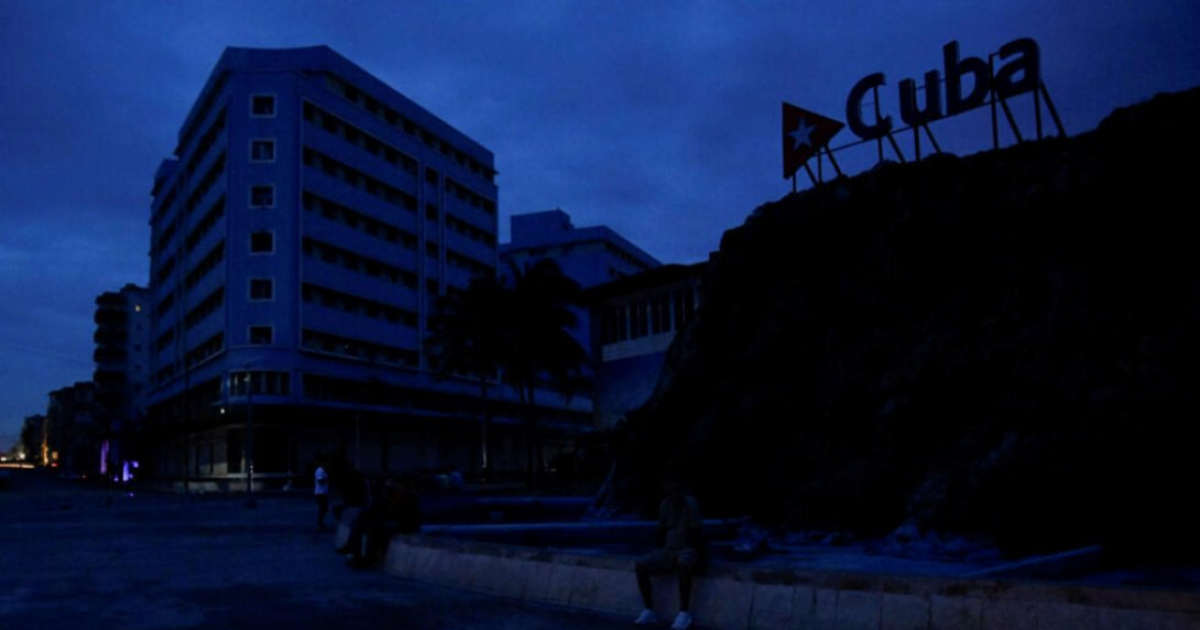
"You know what really stunned me? It's the darkness," Peralta remarked. He likened Havana's night streets to "the day after a hurricane," with residents navigating by flashlight and almost no activity in sight.
The journalist described the city as reminiscent of a "zombie movie," emptied by power outages and an ailing economy.
One of the most striking accounts came from Peralta's report on Havana's Institute of Nephrology. Only 19 out of 26 dialysis machines were functional due to a lack of spare parts to fix the others.
Frequent power cuts forced staff to extend dialysis sessions late into the night, and the hospital has performed no kidney transplants this year due to shortages of medications and supplies, despite having conducted many during the COVID-19 pandemic.
The plight is exacerbated by wages. Peralta noted that the average monthly salary in Cuba barely suffices to purchase a bottle of cooking oil.
WBUR described the segment's context as a "chronic shortage of food, medicine, and fuel" that is reshaping daily life in Cuba, partly attributed to U.S. sanctions and a communist government intent on maintaining the status quo.
NPR's coverage comes amid heightened pressure on the regime. The Trump Administration sanctioned GAESA in May, CUPET in June, and earlier this month targeted maritime oil transport networks linked to the Cuban government.
On Tuesday, Díaz-Canel admitted that the 176 Economic and Social Transformations approved in June "have yet to deliver the results" anticipated by the population.
Understanding Cuba's Current Struggles and NPR's Observations
What did NPR's Eyder Peralta find most striking about Cuba?
Eyder Peralta was most struck by the pervasive darkness in Havana, which he compared to the aftermath of a hurricane, with residents using flashlights and little activity.
How has the power crisis affected medical facilities in Cuba?
The power crisis has severely impacted medical facilities, such as the Institute of Nephrology in Havana, where only a fraction of dialysis machines are operational, and no kidney transplants have been performed due to lack of resources.
What are some factors contributing to Cuba's current crisis?
Cuba's crisis is fueled by chronic shortages of essential goods, exacerbated by U.S. sanctions and a government that resists change.