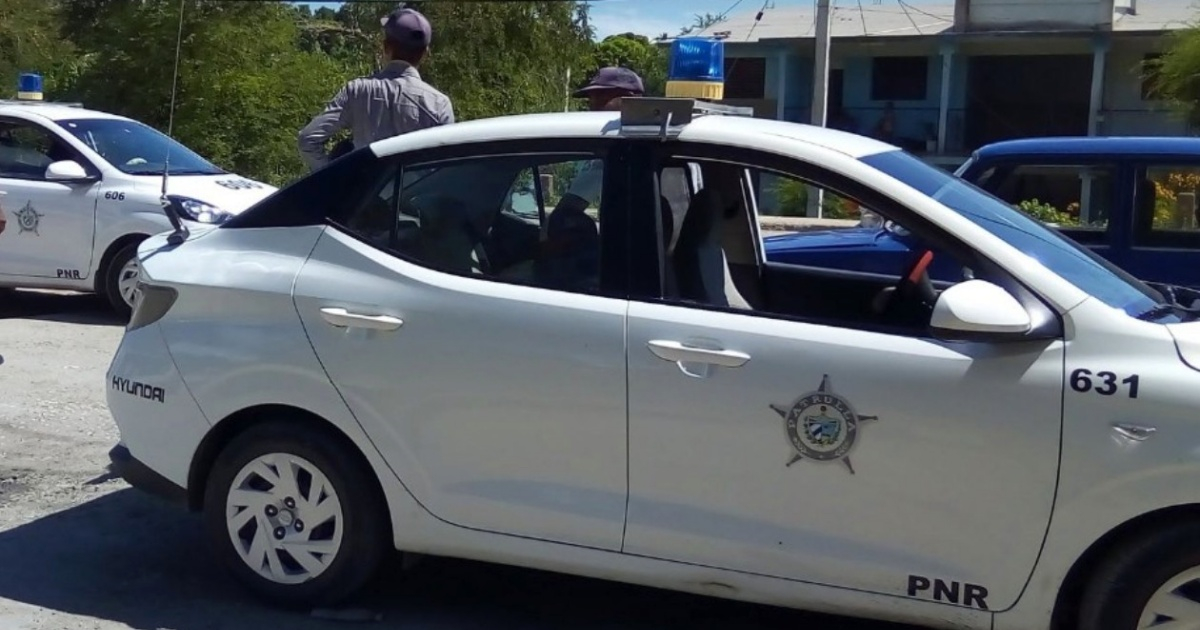
During a routine check at the "La Josefa" farm in Bolondrón, within the Pedro Betancourt municipality of Matanzas, a truck belonging to CUPET's General Services was halted. The vehicle was transporting a substantial load of 4,461 pounds of beef without any legal documentation to support its origin.
The operation was publicized through the pro-government Facebook account "Con Todos la Victoria," affiliated with Cuba's Ministry of the Interior (MININT), which reported the apprehension of those involved and the confiscation of the meat.
According to this report, the driver claimed the beef was part of a contract with the state entity for procurement. Nonetheless, when authorities visited the slaughter facility, referred to as "La loza," no corroborating documents were found.
Officials suspect the beef originated from theft and the illegal slaughter of cattle. The two individuals involved are currently detained at the local police station, while the seized meat has been turned over to state entities, as per the information shared.
Questions Arise over State Vehicle Involvement
What makes this operation particularly noteworthy is the use of a CUPET vehicle, typically associated with the Cuban oil sector, for the transportation of such a large quantity of beef. This unusual use raises questions about the circumstances under which the transport was arranged and the oversight on the use of state resources.
The released information does not clarify if the driver had permission to use the truck, who authorized the transport, or if any other CUPET employees were involved in this operation. Additionally, the charges the detainees may face and the exact origin of the allegedly slaughtered cattle remain undisclosed.
Public Concerns Over the Fate of the Seized Meat
The announcement of the operation sparked public reactions, with users questioning the fate of the confiscated food. Comments ranged from skepticism about the distribution of the meat to doubts about its delivery to social institutions.
One user cynically remarked, "Now comes the part where they divide up the best cuts for themselves." Another noted the small-town nature of Pedro Betancourt, hinting that nobody had seen the meat being distributed despite official claims.
Questions were also raised about whether the seized beef had been allocated to social care institutions like nursing homes, daycares, or hospitals, with one commenter expressing doubt about such allocations.
While some called for the meat to benefit those in need, others supported the police operation, advocating for "Zero tolerance" against such actions. The official post stated the meat was handed over to state agencies but did not specify the receiving institutions or how the 4,461 pounds of confiscated beef would be distributed.
Ongoing Efforts Against Illegal Cattle Slaughter in Matanzas
The seizure in Pedro Betancourt is part of a broader series of police actions targeting cattle theft and illegal slaughter in Matanzas throughout 2026. In May, a resident was caught with 33 pounds of beef and 35 liters of oil in the same area.
In July, five men were apprehended during an illegal cattle slaughter in Cárdenas, resulting in the confiscation of over 200 kilograms of beef. These actions highlight the continuous police efforts to combat the clandestine slaughter and distribution of illegally sourced meat across various municipalities in the province.
Under Cuban law, the unauthorized slaughter of livestock and the trafficking of its meat are punishable offenses, with prison sentences outlined in the Cuban Penal Code. The Supreme People's Court has indicated that slaughtering another's cattle can result in four to ten years of imprisonment.
Engaging in the trafficking of meat from illegal slaughters can lead to three to eight years of incarceration. Even purchasing such meat can be a criminal act, punishable by six months to a year of imprisonment, fines, or both. Penalties may escalate if the meat is intended for processing, production, commerce, or sale.
Key Questions about CUPET Truck Incident in Matanzas
What was the origin of the beef in the CUPET truck?
The exact origin of the beef is unclear, but authorities suspect it was the result of theft and illegal cattle slaughter.
Who authorized the use of a CUPET truck for transporting beef?
It is not clear who authorized the use of the CUPET truck, and the information released does not specify whether the driver had permission.
What will happen to the confiscated beef?
The confiscated beef has been handed over to state agencies, but the specific institutions and distribution plan have not been detailed.
What are the penalties for illegal cattle slaughter in Cuba?
Illegal cattle slaughter can result in four to ten years of imprisonment, while trafficking in such meat carries penalties of three to eight years in prison.