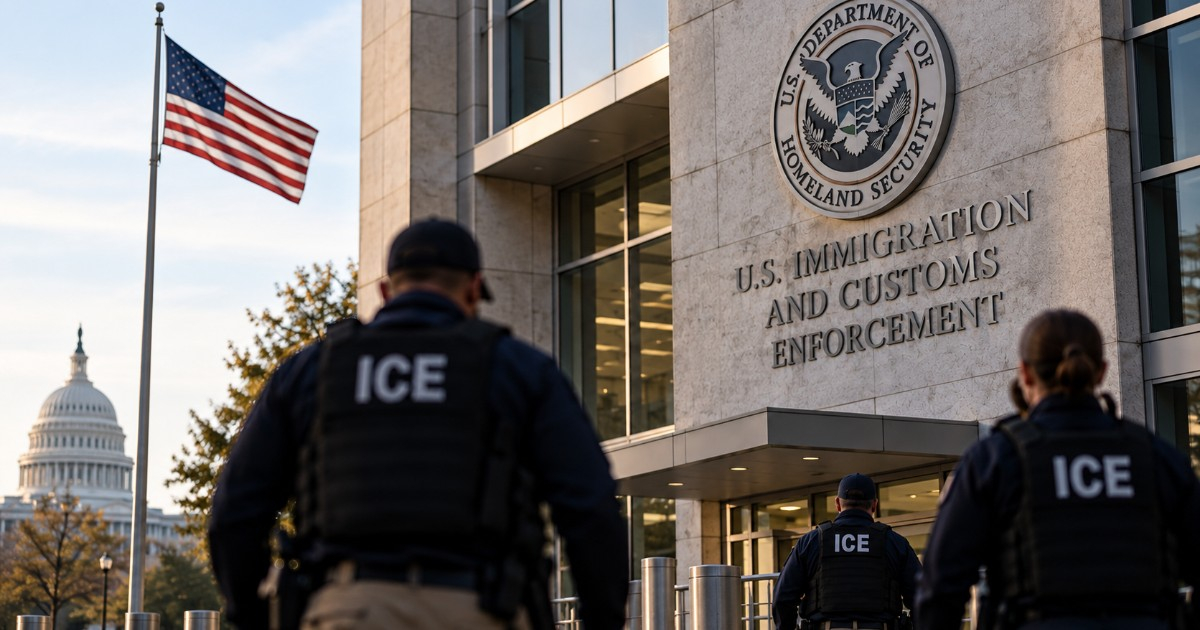
When a Cuban family member is held by ICE and either denied release or given an unaffordable bond, there's still a chance to seek justice: requesting an immigration bond hearing. During this proceeding, an immigration judge determines whether the individual can continue their case while free and under what conditions.
These hearings are typically brief, so presenting compelling evidence and organizing the case file effectively can be crucial. Recent decisions by the Board of Immigration Appeals (BIA) have highlighted the importance of demonstrating community ties, the reliability of the sponsor, and the potential for obtaining legal immigration status.
Understanding Eligibility for a Bond Hearing
Not everyone detained is entitled to have an immigration judge review their custody. Changes in 2025 and 2026 impact eligibility:
Individuals Unadmitted to the U.S. On September 5, 2025, the BIA ruled in Matter of Yajure Hurtado that immigration judges lack the authority to grant bond to those considered "applicants for admission" who haven't been admitted into the country, regardless of their years in the U.S.
Florida and the Eleventh Circuit On May 6, the Eleventh Circuit Court of Appeals, covering Florida, decided the opposite in Hernandez Alvarez v. Warden. This case involved detainees in Miami and Krome, stating that people living inside the country who aren't "seeking entry" are eligible for bond. The detainees won through a habeas corpus in federal court.
Supreme Court's Role On October 1, the Supreme Court agreed to review Rhoney v. Barbosa da Cunha, examining whether the law mandates detention without bond for non-admitted individuals in the U.S. No ruling has been issued yet.
Final Deportation Orders As of August 25, in Matter of W-F-D-, the BIA noted that immigration judges cannot generally review custody when a deportation order is final. The alternative is a written request to ICE or a habeas corpus in federal court.
If your relative entered the U.S. without admission (common among Cubans with an I-220A), an immigration judge might lack jurisdiction. Whether their case aligns with the Eleventh Circuit's ruling depends on the circumstances of their detention and file. Consulting an attorney from the start is critical.
Requesting a Bond Hearing
According to the Immigration Court Practice Manual from the Executive Office for Immigration Review (EOIR), the procedure is straightforward:
Requests can be made in writing, orally in court, or, if allowed by the judge, via phone. No fee is required for a bond hearing request. The written request should include the detainee's full name, A-number (alien number), any bond set by ICE, and the detention center. If available, attach the Notice to Appear (form I-862).
Generally, the request is filed with the immigration court that has jurisdiction over the detention center. A key fact families often overlook: the bond file is separate from the deportation case. Documents already submitted in the deportation process don't apply to the bond and must be resubmitted with a cover stating "BOND PROCEEDINGS." These hearings are usually not recorded.
What the Detainee Must Prove
The judge considers three factors: whether the person poses a danger to others or property, the likelihood of attending future appointments and hearings (risk of flight), and any threat to national security.
The burden of proof lies with the detainee. In Matter of M-S-V-, decided on October 6, the BIA reiterated that the detainee must demonstrate they are not a danger or flight risk. Factors include criminal history (number, recency, and severity), entry method, duration and stability of U.S. residence, and potential legal status adjustments.
Key Evidence for the Hearing
The M-S-V- decision serves as a caution. The BIA revoked a $20,000 bond because the sponsor lacked documented financial capability and relationship, reference letters had mismatched addresses, and the asylum application was not yet filed. CiberCuba detailed the implications for Cubans.
Consider preparing:
- A Reliable Sponsor: Preferably a relative with legal status, an affidavit, proof of income (pay stubs, tax returns), and documents proving the relationship (birth or marriage certificates, photos, messages).
- Verifiable Fixed Address: Lease agreement, bills, or a letter from the host, with consistent addresses on all documents.
- U.S. Community Ties: Children or spouse in the country, employment, tax payments, church, or community involvement. Each claim should be accompanied by documentation.
- Complete Criminal Background: If arrests occurred, bring certified final dispositions for each case. In M-S-V-, the BIA considered relevant an arrest for failing to stop at a checkpoint and driving trucks without a valid commercial license.
- Proof of Compliance: Attendance at ICE and court appointments, and notified address changes.
- Filed Applications: An already filed asylum or Cuban Adjustment Act application has more weight than a potential future filing.
During the Hearing: Changes from November 10
In the hearing, the attorney typically presents an oral proffer of facts supporting the detainee, while the government explains its detention or bond request. The judge may allow sworn witnesses.
On November 10, in Matter of G-M-T-, the BIA overturned a $15,000 bond because the judge accepted unsubstantiated claims about taxes, family, and a pending asylum application. Now, when the government disputes a key fact, the judge must explain in the bond memo which side they believe and why.
The takeaway is clear: every statement made in the hearing must be backed by a document submitted beforehand or on the same day.
If the Judge Denies Bond or Sets It Too High
Appeal to the BIA: Submit with form EOIR-26, ensuring it reaches the Board within 30 calendar days of the judge's decision. The date of receipt, not mailing, counts, with the same deadline for detainees according to the BIA Practice Manual.
No New Evidence on Appeal: The BIA reviews only what the judge saw. Bring everything to the initial hearing.
New Request to the Judge: Possible only in writing and by demonstrating a significant change in circumstances, such as a new documented sponsor or an asylum application now filed.
Habeas Corpus: If the judge refuses a hearing due to lack of jurisdiction, an attorney may consider taking the matter to federal court.
Next Steps
Find an immigration attorney or accredited representative immediately. The first hearing is the most crucial.
Gather the A-number, Notice to Appear, and any documents ICE provided to the detainee.
Select a sponsor and prepare their affidavit, proof of income, and relationship documents.
Organize evidence of community ties and compliance, and make copies for the judge and government.
Obtain final disposition certificates for any criminal or traffic cases.
If bond is denied, note the date: you have 30 days for the appeal to reach the BIA.
Disclaimer: This article provides general information for informational purposes only and does not constitute legal advice. U.S. immigration laws and policies change frequently. For specific case evaluation, consult a licensed immigration attorney or DOJ-accredited representative.
Common Questions About Immigration Bond Hearings
Who is eligible for an immigration bond hearing?
Eligibility for a bond hearing depends on factors like immigration status and specific court rulings. Not all detainees are entitled to a hearing, especially those considered "applicants for admission" without lawful entry.
What factors does the judge consider during a bond hearing?
The judge evaluates whether the detainee poses a danger to others, their likelihood of attending future hearings, and any national security threats. The burden of proof is on the detainee to demonstrate they are not a risk.
How can a detainee strengthen their case for a bond hearing?
A detainee can strengthen their case by providing evidence of strong community ties, reliable sponsorship, a stable address, and compliance with legal requirements. Proper documentation is crucial for each claim made during the hearing.