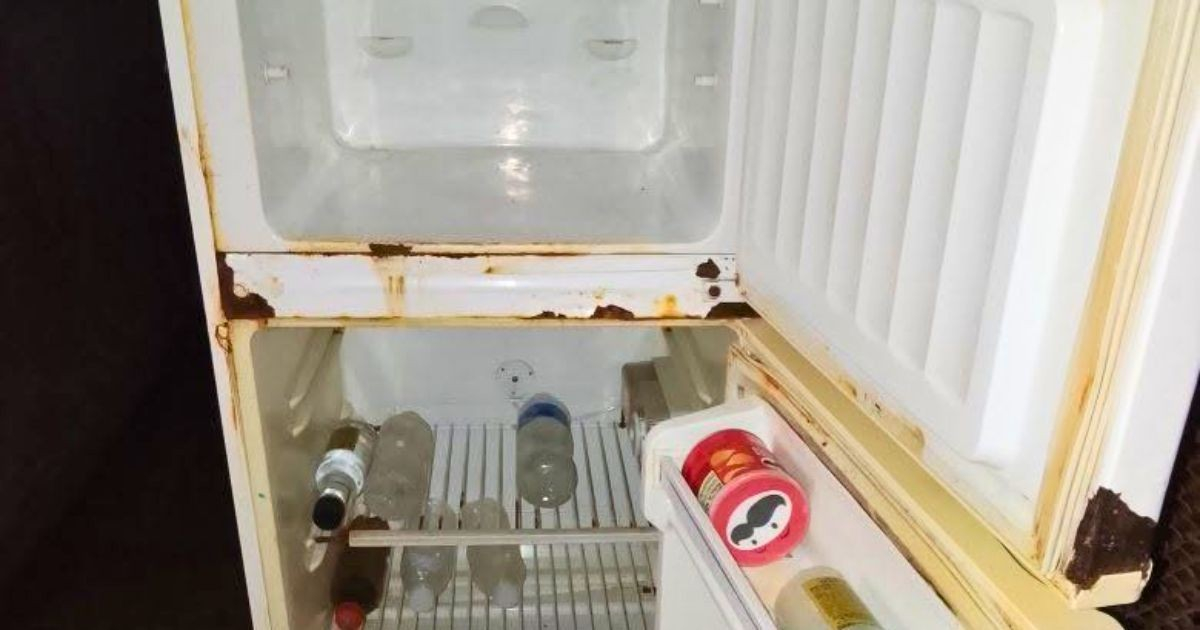
In a poignant blend of dark humor and mourning, Orlando Cruzata, the creator and director of the Cuban music show Lucas, shared an obituary on Facebook for his faithful Haier refrigerator — affectionately nicknamed "El Frío" — which has succumbed to Cuba's relentless power crisis.
Cruzata's farewell to the appliance was both solemn and satirical: "A somber and gloomy day. We've lost the best, the most resilient, the silent warrior in every battle, every blackout [...]. The Haier has fallen, better known as the cold one."
The discovery was made on Saturday after Cruzata returned home following several days away for work obligations: "Yesterday [...] we found the great Haier, the cold, lifeless, without an electric pulse and foul-smelling. Despite our numerous attempts to revive it, we couldn’t bring this great Cid Campeador back to life. The Cold is dead."
Cruzata first acquired the refrigerator around 2010, upon returning to the La Querejeta neighborhood in Havana. "Someone in a hurry left it with us for a modest price," he recalls. Initially, the Haier was mocked by other household appliances — the Samsung TV, the Sony music system, even an old PC — but, over time, it earned their respect.
The aspect Cruzata admired most about the fallen hero was its bravery in the face of electrical fluctuations: it never sought the protection of a voltage regulator. "It never wanted that help [...], the true Refrigerator faced the current and its attacks head-on." For nearly 16 years, the Haier withstood blackouts and numerous collapses of the National Electric System.
The heroic appliance also witnessed the downfall of its comrades: "Haier El Frío saw several of its fellow fighters perish. It witnessed the silent death of Samsung. It saw the last breath of the Old PC, burned by three short power outages. It watched as multiple breakers succumbed and fell, scorched."
The final blow came without warning. "The country's treacherous electrical situation played a cruel trick on you. You didn’t see it coming, and you defrosted instantly," Cruzata laments. Behind the humor lies a deeper tragedy: the refrigerator was a guardian of scarce proteins. "As those who go hungry know all too well, every fallen appliance is a painful loss. You, more than anyone, offered shelter to every little piece of meat we managed to get, because you knew that every ground meat, piece of pork, rib, or any protein we secured was vital to us."
The obituary for Haier paints a picture of a daily tragedy familiar to millions of Cubans. According to the 2025 Food Security Survey, over 80% of households in provinces like Granma, Matanzas, Pinar del Río, and Sancti Spíritus reported food spoilage due to power outages.
This Sunday, the Electric Union projected a meager availability of just 970 MW against a demand of 2,800 MW, anticipating a shortfall of 1,860 MW during peak hours.
Cruzata has previously used his platform to denounce the havoc wreaked by the energy crisis with a blend of anger and irony. Earlier this month, he criticized Cubavisión for postponing the Lucas Awards 2026 Nominee Gala after he and his team had gone to great lengths, amidst blackouts, to meet the broadcast commitment.
He concluded his farewell with the humility of someone who has learned to laugh through tears: "Thank you for everything and so much, dear and esteemed Haier El Frío."
Understanding Cuba's Power Crisis and Its Impact on Daily Life
What caused the Haier refrigerator to fail?
The Haier refrigerator failed due to the ongoing power outages and electrical fluctuations in Cuba, which ultimately overwhelmed its ability to function properly.
How common are power outages in Cuba?
Power outages are frequent in Cuba, significantly affecting daily life. Reports indicate that over 80% of households in certain provinces have experienced food spoilage due to these outages.
Why is the story of the Haier refrigerator significant?
The story of the Haier refrigerator highlights the broader struggles faced by Cubans due to the energy crisis, illustrating how essential appliances become casualties in the ongoing battle against power instability.