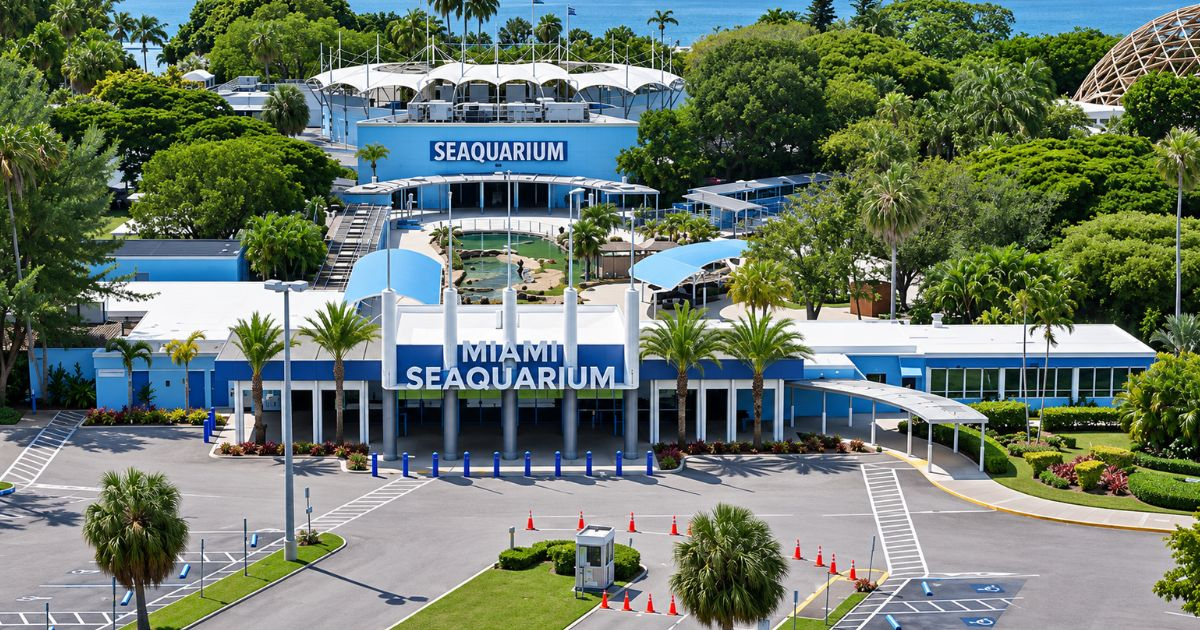
The ambitious plan to redevelop the historic Miami Seaquarium on Virginia Key has hit another snag. A Miami-Dade Commission committee decided to postpone the vote on a 99-year lease agreement that would transform the iconic marine park into a vibrant hub with an aquarium, marina, dining options, and public spaces overlooking Biscayne Bay.
This delay occurred after the commissioners received the extensive 249-page document mere hours before their scheduled meeting.
On Tuesday, the Miami-Dade Committee on Recreation, Tourism, and Resilience voted 3-1 to delay the approval of the agreement with Terra Group, a company led by developer David Martin.
The proposal is now stalled and cannot proceed to the County Commission for final approval.
Concerns Over Hasty Decision-Making
Committee Chair René García expressed his reservations on Wednesday to Local 10, emphasizing the importance of allowing both commissioners and residents ample time to scrutinize such a significant contract.
"It didn't seem appropriate to proceed with this lease agreement without giving the public enough time to understand its contents," García stated, advocating for public review before any decision is made.
The lease agreement was added to the agenda and made available to the public just the night before the meeting.
Several residents and environmental groups voiced their concerns about approving a lease of nearly a century without adequate time to assess its implications.
A Call for Transparency and Due Diligence
Commissioner Marleine Bastien raised issues regarding the push to expedite the process by bypassing standard requirements, such as a four-week public notice and certain county property appraisals.
Micky Steinberg also highlighted the necessity of reviewing the agreement's terms, suggesting that improvements could be made even if the deal seemed beneficial for Miami-Dade.
The sole committee member opposing the postponement was Raquel Regalado, who represents the district housing the Seaquarium. She cautioned that delaying the agreement could jeopardize the negotiations altogether, leaving the county with an outdated contract that offers fewer public advantages.
Project Vision and Environmental Concerns
The proposal involves handing over control of Miami-Dade-owned land to a company linked with Terra Group for 99 years. The official documents outline a private investment of at least $100 million for renovations, alongside an additional $10 million for infrastructure and public amenities.
David Martin's plan aims to rejuvenate the old facilities into a year-round recreational destination, featuring a marine mammal-free aquarium, environmental research and education spaces, waterfront restaurants, and a marina.
Terra's new proposal, unveiled on Tuesday, includes an 83,000-square-foot aquarium, a marine research and innovation center, and a free public promenade known as Ocean Walk, extending approximately three-quarters of a mile along Virginia Key's coast.
The project also intends to restore the iconic geodesic dome designed by Buckminster Fuller and preserve other historic structures associated with the attraction, which opened in 1955.
The company asserts that the redevelopment will revitalize a neglected area, expand public access to Biscayne Bay, and support restoration projects for coral reefs, seagrasses, and other coastal habitats.
Nevertheless, the marina component remains contentious. Environmentalists and residents fear the presence of large vessels might harm seagrasses and disrupt areas frequented by manatees and other wildlife.
An October investigation by WLRN highlighted that the marina's design includes facilities for large yachts, with pending environmental studies and permits addressing potential impacts on the seabed.
The Florida Department of Environmental Protection has requested further clarification on effects on seagrasses, navigation through narrow channels, and strategies to offset potential ecological damage.
Two residents have filed lawsuits, arguing that the project might require voter approval due to county charter provisions safeguarding public lands designated for parks. However, developers maintain that the Seaquarium and marinas are exceptions to this requirement.
For the developer, the marina is also economically significant. Martin's representatives argue that revenue from the marina would help fund other parts of the complex, considering it an integral component of the overall project.
Deadline and Future Prospects
The delay adds pressure to the project's timeline. Terra must finalize the lease acquisition by December 30, as stipulated in the bankruptcy proceedings of the Seaquarium's previous operator.
Although the federal bankruptcy court has approved transferring the lease to the new company, final consent from Miami-Dade is still required.
Developers' attorneys warned that prolonged delays could jeopardize the purchase and potentially prompt creditors to seek alternative solutions.
García acknowledged the tight schedule but stressed that the county must thoroughly vet the document. He suggested the possibility of negotiating better terms and mentioned that the matter could be revisited through a special meeting or directly by the County Commission.
The final regular commission meeting for 2026 is set for November 17, with a hearing on land use and zoning for the project scheduled for November 19, indicating pending administrative procedures.
The planned transformation of the Seaquarium was announced in September 2025 as part of a deal to replace the old marine animal show park with a modern aquarium free of captive marine mammals. Over decades, the facility, once a leading Miami tourist attraction, faced numerous animal welfare complaints, federal inspections, and legal battles, eventually leading to its reorganization.
Frequently Asked Questions About the Seaquarium Project
Why was the vote on the Seaquarium project delayed?
The vote was delayed to provide commissioners and the public more time to review the extensive 249-page lease agreement.
What are the main components of the proposed Seaquarium redevelopment?
The redevelopment includes a marine mammal-free aquarium, a marina, restaurants, public spaces, and environmental research facilities.
What are the environmental concerns associated with the project?
Environmentalists express concerns that the marina could damage seagrasses and disrupt habitats for manatees and other wildlife.