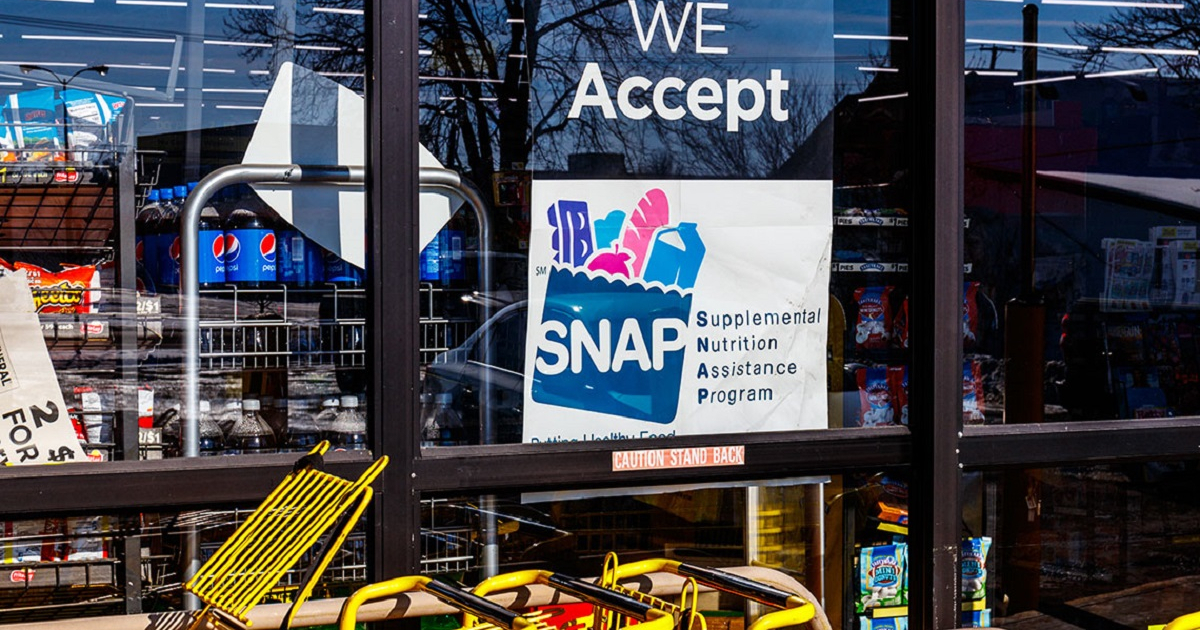
In the United States, a significant number of people might lose access to food stamps due to a new federal proposal aiming to tighten the eligibility criteria for the Supplemental Nutrition Assistance Program (SNAP). This potential change could notably impact Cuban families residing in Florida who currently benefit from this assistance.
The proposal, introduced by the U.S. Department of Agriculture (USDA), was recently published in the Federal Register under the title "Reforming Categorical Eligibility." If implemented, it would affect income and savings criteria used to determine eligibility for SNAP benefits.
Official estimates suggest that by the fiscal year 2029, approximately 6.3 million individuals from 3.2 million households might no longer qualify for SNAP. This number represents about 17.6% of current participants. However, the proposal is still under review and has not yet altered the benefits families receive.
Public Input and Legislative Process
The government has initiated a public commentary period, which will remain open until December 10, 2026. This allows citizens to express their views before any changes are finalized.
The primary focus of the proposed change is to restrict a mechanism known as Broad-Based Categorical Eligibility. This mechanism allows states to streamline SNAP access for households meeting criteria of certain social assistance programs. Currently, some families gain eligibility through non-monetary benefits or services funded by the Temporary Assistance for Needy Families (TANF) program.
Potential Effects on Florida's Cuban Community
Florida could experience significant repercussions from these changes. The state currently employs the broad-based categorical eligibility with a gross income limit of up to 200% of the federal poverty level and no general asset limit for qualifying households. If the proposal is approved, families using this route who do not receive TANF assistance would need to meet the regular federal criteria.
For Cuban residents in Florida, the impact will depend on both their household economic situation and specific immigration requirements. Being Cuban or having a pending immigration status does not automatically ensure SNAP eligibility.
Broader Implications and Budget Considerations
The USDA projects that the proposed changes could reduce federal SNAP expenditures by approximately $44.649 billion between fiscal years 2027 and 2031. The administration argues this reform would better align eligibility with Congressional criteria and direct resources towards households genuinely in need.
About 1.78 million children could lose automatic eligibility for free school meals. Nonetheless, 97% of these children could still qualify for free or reduced-price meals through other certification processes.
While no definitive implementation date exists, the USDA will assess public feedback before finalizing any regulations. Projections of benefit losses by 2029 hinge on the proposal's eventual enactment.
Interested individuals can submit comments until December 10, 2026, via Regulations.gov or email, referencing the specific proposal number and title. The USDA notes that comments and the identities of those submitting them may become public.
Additional Considerations for Immigrants
For those navigating immigration under the Cuban Adjustment Act, immigration lawyer Willy Allen III has noted a legal exemption from inadmissibility due to public charge concerns. However, this protection is separate from the economic requirements for receiving food stamps.
Florida continues to offer an expedited SNAP process for households with urgent food needs, allowing for swift assistance when conditions are met. This procedure remains part of the current rules and should not be confused with the proposed eligibility changes by the USDA.
Understanding the Proposed SNAP Changes
What is the proposed change to SNAP eligibility?
The proposed change aims to restrict Broad-Based Categorical Eligibility, requiring households to meet stricter federal income and asset criteria to qualify for SNAP.
How will this affect Cuban families in Florida?
Cuban families in Florida might face new hurdles if they currently qualify for SNAP through the broad-based eligibility route without receiving TANF assistance. They would need to meet federal standards for income and assets.
What is the timeline for public comments on the proposal?
The public can submit comments on the proposal until December 10, 2026, allowing for community input before any decision is made.