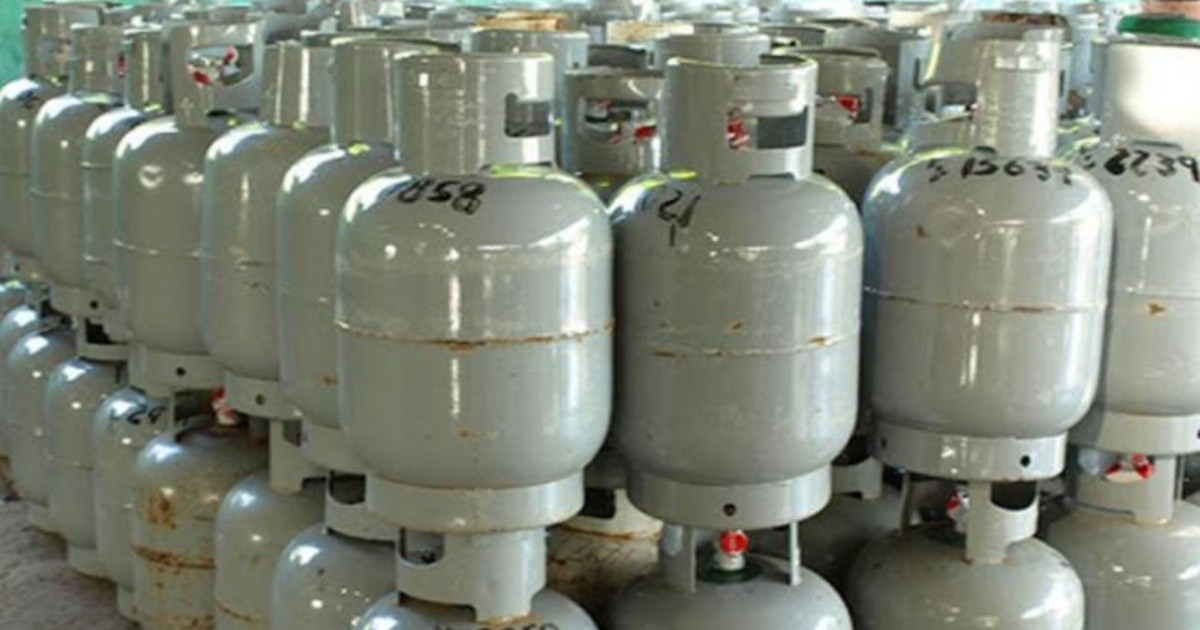
On Tuesday, the Cuban state oil company, CUPET, dispelled rumors circulating on social media about the supposed distribution of Liquefied Petroleum Gas (LPG) in Cuba. They clarified that the viral content originated from a publication dated November 2024, which was being shared out of its original context.
According to CUPET's official statement, the information that sparked hope among Cubans—details of a ship arriving with 9,377 tons of LPG, an estimated coverage of 17 to 20 days, and the number of customers lacking access—pertained to November 29, 2024, and "does not reflect the current situation." This was previously reported by CiberCuba.
"Therefore, it is outdated information being disseminated outside its original context," CUPET emphasized, urging people to check the dates and sources of information before spreading it further.
"A positive news story, of course, it couldn't be true," remarked Cubans reacting to CUPET's denial. "It was too good to be true," lamented another.
"Everyone knew it was false; no one believes the state will distribute LPG just like that," pointed out a third commentator. Another was more direct about the underlying issue: "If they sell it in USD now, those without dollars or euros will have to cook with wood or charcoal."
Numerous users took this opportunity to highlight a contradiction that CUPET did not address: the company's trucks deliver cylinders sold by private platforms in Havana. "They should also explain why cylinders sold in dollars are distributed in CUPET trucks," demanded one commentator.
"Well, then explain if LPG distribution will resume or if the cylinder remains a decorative item," requested a Cuban citizen.
In January 2026, CUPET halted state distribution in eastern provinces due to fuel shortages, a situation that remains unchanged.
Facing scarcity, the regime promoted currency-based sales: in Sancti Spíritus, CUPET charges $80 for a new 20-pound cylinder, while in Holguín, the initial purchase costs $94 via the GasMercaFull platform.
Resolution 155/2026 set the official price in pesos at 350 CUP for a 10 kg cylinder, but scarcity has rendered this price nearly unattainable for most. On the informal market, cylinders have been resold for about $50.
This is not the first time CUPET has had to counter false information about gas. In May 2026, the company warned about a fraudulent website named "GasCuba" selling cylinders at $30 without any official backing, and weeks later, they reported identity theft through a WhatsApp channel.
Frequently Asked Questions About Gas Distribution in Cuba
What did CUPET clarify about the gas distribution rumors?
CUPET clarified that the information about gas distribution was outdated and pertained to November 2024, not reflecting the current situation.
Why are Cubans skeptical about the gas distribution news?
Cubans are skeptical because the state's track record makes them doubt that LPG would be distributed freely and widely as suggested by the rumors.
How is the gas scarcity affecting Cuban consumers?
The scarcity has led to currency-based sales, making it difficult for those without USD or euros, and has driven the informal market prices up to around $50 per cylinder.