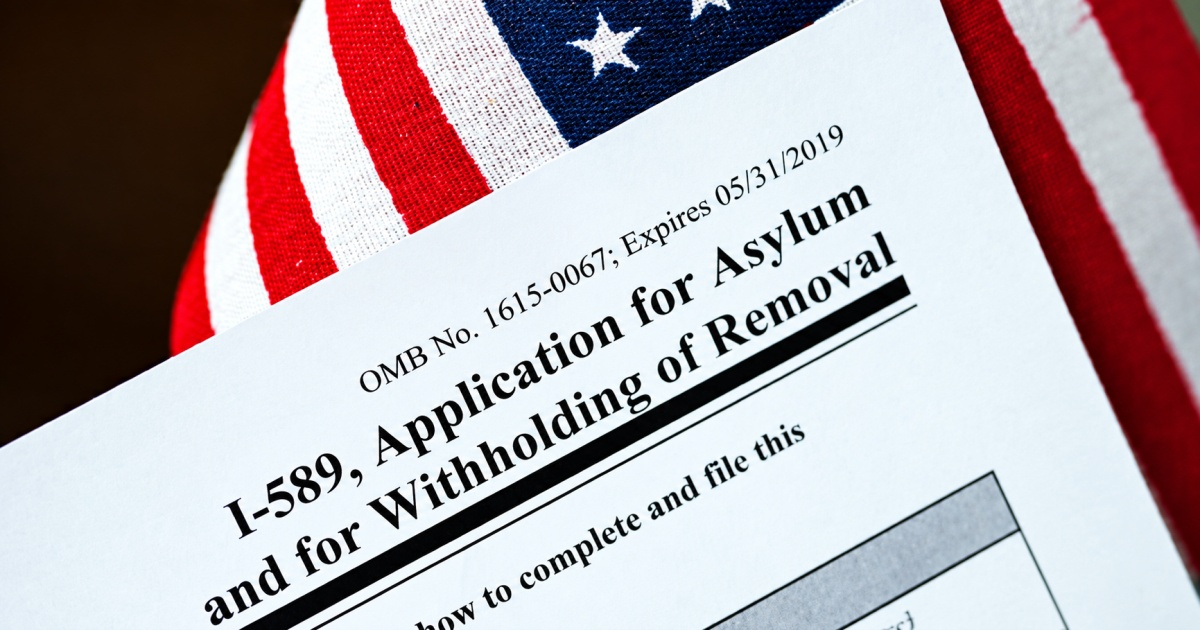
For Cuban citizens seeking asylum in the United States, one of the critical elements of your case is proving that you have suffered persecution or have a well-founded fear of persecution if you return to Cuba, owing to your political beliefs or another legally protected reason.
Your account must be credible, compelling, and detailed. Whenever possible, support your story with evidence.
While U.S. law recognizes that it may not always be feasible to obtain documentation of persecution, your testimony alone can suffice if it meets legal standards.
Nonetheless, if additional evidence is reasonably expected, failing to provide it may harm your application.
Key Evidence Requirements for Cuban Asylum Seekers
We break down what you need to demonstrate, the types of evidence that can support a case of persecution in Cuba, how to present them to immigration authorities, and what to do if obtaining certain documents from the island is impossible.
The Burden of Proof in Asylum Claims
Under U.S. asylum law, outlined in Section 1158 of Title 8 of the U.S. Code, the applicant bears the burden of proof. This means you must provide necessary evidence to show you qualify for asylum.
Specifically, you need to demonstrate that your race, religion, nationality, membership in a particular social group, or political opinion was or will be a central reason for persecution. In Cuba, this could relate to real or perceived political opinions, such as being seen as an opponent due to social media posts, protest participation, or family connections.
It's vital to establish a link between the protected reason and the persecution experienced or feared. Simply showing political issues or human rights violations in Cuba isn't enough; you must connect them to your personal situation.
Categories of Persecution and Fear
Section 1208.13 of Title 8 of the Code of Federal Regulations outlines two main scenarios:
- Past Persecution: If you demonstrate past persecution for a protected reason, it's presumed you have a well-founded fear of future persecution for the same reason. The Department of Homeland Security (DHS) can challenge this presumption by proving, with preponderance of evidence, a fundamental change in circumstances or that you could avoid persecution through reasonable internal relocation.
- Fear of Future Persecution: If no past persecution occurred, you can show a reasonable possibility of future persecution. Certainty isn't required, but your fear must have a factual basis linked to one of the protected grounds.
Additionally, if past persecution was severe, asylum can still be granted even if future fear has dissipated, based on compelling reasons related to the severity of past persecution or the risk of other serious harm upon return, unless legally prohibited.
Group Persecution and Asylum Eligibility
Under Section 1208.13(b)(2)(iii), if a pattern or practice of persecution against a group similar to yours exists, you don't need to show personal targeting by authorities. You must prove the existence of this pattern and your belonging to or identification with the group, making your fear of persecution reasonable upon return.
For instance, in a Cuban context, evidence of persecution against a political organization or individuals involved in specific political activities could be relevant, alongside documents proving your involvement or association with the group.
Internal Relocation as a Consideration
Authorities may consider whether you can avoid persecution by relocating within Cuba. However, if the government or a government-sponsored group is the persecutor, internal relocation is presumed unreasonable. In such cases, DHS must prove it's reasonable to expect relocation, considering all circumstances.
When persecution stems from private individuals and past persecution isn't proven, the applicant typically must show internal relocation isn't reasonable. Factors include the country's size, persecution location, persecutor's reach, and realistic relocation opportunities.
Testimony as Core Evidence
Your testimony can be sufficient without additional evidence if it's credible, persuasive, and detailed enough to meet asylum criteria. However, no automatic credibility presumption exists during initial evaluation. The judge or official will review all circumstances and available evidence.
- Factors assessed may include:
- The credibility and detail level of your account.
- Your candor and responsiveness to questions.
- Consistency between your I-589 form and subsequent statements.
- Alignment of your testimony with provided documents and known information about Cuba.
- Any contradictions, inaccuracies, or omissions affecting credibility.
Even minor inconsistencies can impact your credibility assessment. Preparation with your attorney on statements and documents, identifying potential errors, and correcting them before the hearing is advisable.
When Additional Evidence Is Required
If a judge finds otherwise credible testimony requires corroboration, the applicant must provide relevant evidence unless unavailable and unobtainable. You're not obligated to present unattainable documents but must be ready to explain why certain evidence isn't accessible.
Possible explanations include authorities not issuing detention documentation, risks to family requesting documents, or an incarcerated witness unable to testify. It's wise to detail difficulties and keep records of attempts to obtain evidence.
Recommended Evidence for Cuban Persecution Cases
There's no definitive list guaranteeing asylum approval. The usefulness of each piece depends on your case facts and persecution claims.
- Possible evidence includes:
- Cuban Authorities' Documents: Police citations, warning notices, fines, employment termination notices, academic expulsions, criminal proceedings, or travel restriction resolutions.
- Medical Evidence: Certificates, clinical reports, and other documents proving injuries from detentions, assaults, or public shaming.
- Witness Statements: Written accounts from family, neighbors, organization members, or event witnesses, identifying the witness and detailing their knowledge, information source, and timing.
- Political Activity Evidence: Opposition group documents, protest photos, social media posts, messages, and independent press articles proving your involvement or perceived authorities' view of you.
- Identity and Entry Documents: Passport, Cuban ID, birth certificate, and documents related to U.S. entry and immigration status.
- Country Condition Reports: Official and human rights organizations' documents contextualizing reported incidents, identifying persecution patterns, and demonstrating similar situations.
The U.S. State Department's 2024 report on Cuba highlights arbitrary detentions, transnational repression, and severe restrictions on expression and press freedoms. It also notes harassment of independent journalists and government critics.
These reports can contextualize an application and demonstrate persecution patterns against specific groups. However, they don't replace the need to prove your individual case elements, including your connection to a persecuted group if it's the application basis.
Presenting Evidence to Immigration Courts
If your case is before an immigration judge in defensive asylum proceedings, adhere to document submission rules and applicable deadlines. Non-compliance can lead to evidence rejection or the need for late submission authorization.
- Certified Translation: Under Section 1003.33, non-English documents require an English translation and a certification by the translator attesting to their competence and translation accuracy. The Immigration Court Practice Manual dictates additional certification requirements, including translator contact details.
- Order and Pagination: Organize evidence per court instructions, with numbered pages and corresponding indexes. Typically, submit copies and keep originals available for possible review during the hearing.
- Deadlines: According to the Executive Office for Immigration Review (EOIR) Policy Manual's appendix, the standard pre-individual hearing documentation submission deadline is 30 days for non-detained individuals. Detained cases may have court-established deadlines. Verify applicable orders for your case.
If your application is with USCIS through affirmative asylum procedures, follow current I-589 form instructions and agency communications on documentation submission timing.
Our guide on affirmative asylum after parole entry explains the process.
Common Mistakes that Weaken Asylum Cases
- Exaggerating or Fabricating Facts: False statements can severely damage credibility and lead to other legal consequences.
- Using Others' Stories: Your account must reflect your actual experiences. Using fabricated stories or presenting others' experiences as your own can jeopardize your application.
- Submitting Untranslated or Late Documents: Non-compliant evidence may be rejected or require special admission authorization.
- Confusing Cuba's General Situation with Personal Evidence: While repression reports are important, you must prove asylum eligibility through individual persecution or group persecution patterns.
- Missing the One-Year Deadline: Generally, you must apply for asylum within a year of your last U.S. arrival unless you qualify for a legal exception. Our guide on one-year deadline exceptions offers more information.
Next Steps for Cuban Asylum Seekers
Create a detailed timeline of events in Cuba, including approximate or exact dates, locations, agent names if known, and potential witnesses. Distinguish between certain and uncertain memories.
List available and potentially obtainable evidence. If family or friends in Cuba need to help, first assess potential risks they may face.
Preserve digital publications, messages, and files related to events. When possible, retain dates and origin-identifying information.
If your claim involves group persecution, gather evidence on the group's situation and documents proving your membership or association.
Prepare necessary certified translations in advance to meet deadlines.
Identify unobtainable documents and prepare a concrete explanation of difficulties, preferably with legal guidance.
If in removal proceedings, explore additional protection avenues. Our guide on Cuban defenses in deportation proceedings outlines available alternatives.
Legal Notice: This article provides general information and does not constitute legal advice. U.S. immigration laws, procedures, and policies may change. Consult a licensed immigration attorney or a Department of Justice-accredited representative to assess your specific situation.
Frequently Asked Questions About Cuban Asylum
What is the burden of proof for Cuban asylum seekers?
The burden of proof lies with the asylum applicant, who must provide evidence that they meet the asylum criteria, including demonstrating that their persecution is based on a protected ground such as political opinion.
Can testimony alone be enough for a Cuban asylum case?
Yes, if the testimony is credible, persuasive, and sufficiently detailed, it can be enough to meet asylum requirements without additional evidence.
What should I do if I can't obtain certain evidence from Cuba?
If evidence is unobtainable, you should be prepared to explain the specific reasons for this and document any attempts to acquire the evidence.
How can reports on Cuba’s human rights situation help my asylum case?
Country reports can help contextualize your application and demonstrate persecution patterns, but they do not replace the need to prove the specific elements of your individual case.
What are the consequences of submitting false information in an asylum application?
Submitting false information can severely damage your credibility and have legal repercussions, potentially jeopardizing your asylum application.