On Monday, Cuba's permanent representative to the United Nations, Ernesto Soberón Guzmán, acknowledged that the island's military capabilities are vastly outmatched by those of the United States. However, he emphasized that this imbalance does not equate to surrender; instead, Havana favors dialogue and mutual respect over armed conflict.
Speaking to the Russian news agency TASS, Soberón expressed that the Cuban government takes the possibility of a U.S. military operation "seriously," partly due to public statements from high-ranking Washington officials about potentially "destroying" Cuba.
"During the current U.S. Administration, there have been numerous public statements from top leaders regarding their willingness to seize Cuba, bomb it, and destroy it. This is a significant reason why we must take such threats seriously," he stated.
"We take this very seriously... We must be prepared for any scenario, including a military one," the diplomat added.
Strategic Exercises and Preparedness
In response to the ongoing tension, Soberón explained that Cuba dedicates Fridays to defense activities to prepare the populace for a potential attack.
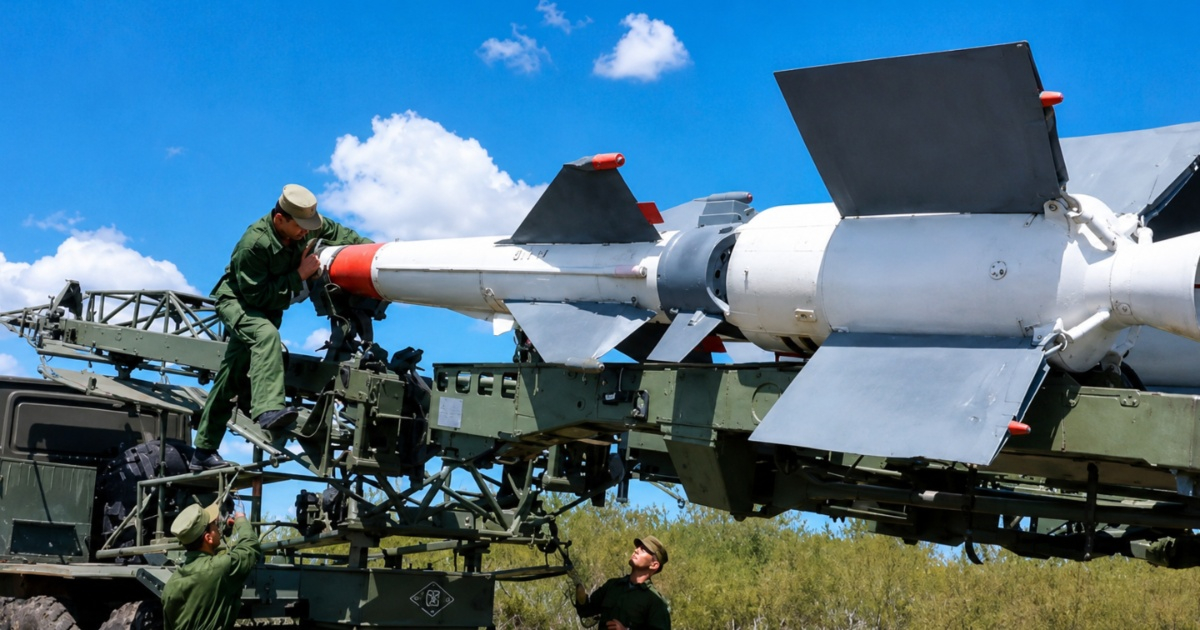
The strategic exercise Moncada 2026, conducted on November 4th and 5th with participation from the Revolutionary Armed Forces, the Ministry of the Interior, militias, reservists, and civilian structures, exemplifies the "War of All the People" doctrine. This approach aims to counter the vast conventional superiority of the U.S. through popular mobilization and decentralized territorial defense.
Open estimates suggest that Cuba has around 50,000 active military personnel compared to approximately 1.3 million U.S. troops, with a similarly large gap in tanks, aviation, and projection capabilities.
Pursuing Peaceful Relations
Soberón stressed that Havana does not seek armed confrontation and is committed to normalizing relations with the United States through dialogue and mutual respect.
He outlined the regime's conditions for engagement with the U.S., emphasizing that any dialogue must occur on an equal footing, respecting Cuba's independence and sovereignty, and avoiding interference in internal affairs.
The Cuban representative also highlighted that the only foreign military installation on the island is the Guantánamo Naval Base, which he described as "established against the will of the Cuban people."
In May, Foreign Minister Bruno Rodríguez Parrilla denounced the possibility of military aggression at the UN. In July, the National Assembly warned that any intervention would meet resistance "to the last consequences."
Cuban Ambassador Lianys Torres Rivera stated in October that Cuba has been preparing for a potential aggression for years but does not seek enmity with the United States.
Back in March 2026, Soberón had already cautioned that "any attempt to invade or attack Cuba would find 10 million Cubans ready to defend national sovereignty."
Frequently Asked Questions About Cuba-U.S. Relations
What is Cuba's stance on military confrontation with the United States?
Cuba prefers dialogue and mutual respect over military confrontation, despite acknowledging its military inferiority compared to the United States.
How does Cuba prepare for potential military threats?
Cuba conducts defense activities every Friday to prepare its population for potential attacks and holds strategic military exercises like Moncada 2026 to enhance readiness.
What conditions does Cuba require for dialogue with the United States?
Cuba insists that any dialogue with the United States should occur under conditions of equality, respect for independence and sovereignty, and non-interference in internal affairs.