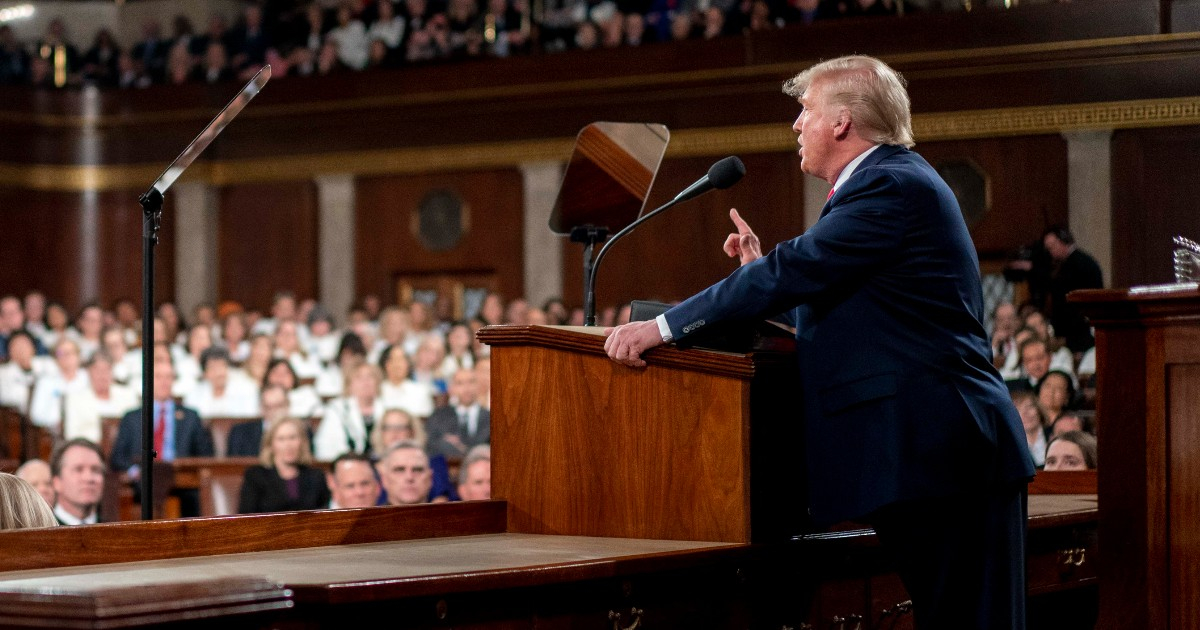
In a recent interview on CBS's 60 Minutes, former President Donald Trump acknowledged that his deportation policies might have been "too harsh." He expressed openness to negotiate with Democrats on securing a legal status for undocumented immigrants in the U.S. who have no serious criminal records and have been contributing to the workforce for years.
The interview, conducted by correspondent Ross Douthat and aired on Sunday, marked Trump's first television appearance since the Republican Party's significant defeat in the November 3 legislative elections. This loss resulted in Democrats regaining control of both houses of Congress for the first time since 2006.
Trump's Perspective on Immigration Groups
Trump identified three distinct groups involved in the immigration debate: those advocating for mass deportation, supporters of sanctuary cities, and a middle ground that would deport criminals but allow long-term workers to stay. "Remove the murderers, the rapists, the drug dealers, but let people who have been here 10 or 15 years reach an agreement," he stated.
Potential Impact on Immigration Policy
Trump's comments signal a new chapter in the immigration debate. Stay informed on policies, legal status updates, and deportation news by visiting our U.S. Immigration section.
He illustrated the issue by discussing hotel workers: "You walk into a hotel and ask for a pass, and there's a woman who's been working there as a maid, cleaner, waitress—doing great jobs. Suddenly, she's being removed. It's tough. It's a tough situation."
When asked directly if a deal could result in some legal status for these workers, Trump simply replied, "Feasible." He mentioned that several Democratic lawmakers had already reached out to explore negotiations, highlighting newly elected Texas Senator James Talarico as a potential interlocutor.
Political Implications and Reactions
Trump acknowledged that immigration policy both helped and hurt Republicans in the elections. "I get high marks for removing the bad guys. But it hurts because we also remove people with good jobs who only committed one infraction: entering the country illegally," he noted. A CBS exit poll showed 58% of voters felt the administration's immigration actions had gone too far.
However, Trump did not present any legislative proposals, timelines, eligibility criteria, or concrete legal mechanisms for this possible status, leaving his words as rhetorical without immediate practical application.
Meanwhile, his administration's actions seem contradictory. On Friday, Trump appointed Stephen Miller—seen as the architect of mass deportations—as the new White House Chief of Staff, replacing Susie Wiles, effective Monday. Senate Democratic Leader Chuck Schumer criticized Miller's appointment as a "promotion," not a course correction, asserting that Trump "has learned nothing" from the election results.
Backlash and Community Impact
MAGA supporters reacted strongly. Commentator Tomi Lahren expressed "confusion," having voted for "mass deportations" now seemingly turned into "amnesty." Others labeled Trump a "traitor in chief."
The Cuban community has felt the immigration policy's brunt particularly hard. As of October, ICE arrests of Cubans surged by 463% between late 2024 and early 2026, with over 42,000 Cubans facing pending deportation orders in the U.S.
There's a relevant legislative precedent: the Dignity Act, championed by Republican Representative María Elvira Salazar, proposes a ten-year temporary legal status for immigrants with no criminal records and at least five years of residence. However, it has yet to advance in Congress. Secretary of Homeland Security Markwayne Mullin was more direct after the electoral defeat: "Deportations will continue."
Key Questions on Trump's Immigration Stance
What did Trump admit about his deportation policy?
Trump admitted that his deportation policies might have been "too harsh" and showed willingness to negotiate a legal status for undocumented immigrants working in the U.S. without serious criminal records.
Who did Trump mention as a potential negotiation partner?
Trump mentioned newly elected Texas Senator James Talarico as a potential interlocutor for negotiations with Democrats.
How did Trump's supporters react to his comments?
Some MAGA supporters expressed confusion and anger, feeling that Trump's comments on potential amnesty contradict their expectations of mass deportations.
What is the Dignity Act?
The Dignity Act, proposed by Representative María Elvira Salazar, suggests a ten-year temporary legal status for immigrants without criminal records and at least five years of residence, although it hasn't progressed in Congress.